Stepping into the world of home automation can feel overwhelming. With thousands of compatible devices ranging from light bulbs to security cameras, knowing which smart home starter kits to buy is the most important decision you will make during your automation journey. A well-chosen kit provides a cohesive ecosystem, ensuring that your new gadgets actually talk to one seemingly effortless, preventing the frustration of having ten different apps for ten different devices.
Choosing the right foundation matters because it dictates your future scalability. If you pick a closed system, you might find yourself stuck with limited hardware options later on. When searching for the best smart home starter kits, you should look for compatibility with major platforms like Amazon Alexa, Google Assistant, or Apple HomeKit, ease of installation, and the potential to add more sensors or plugs as your budget grows. This guide is designed for anyone from tech-savvy enthusiasts to complete beginners looking to automate their lighting, security, or climate control.
In this comprehensive smart home starter kits review, we have analyzed the top contenders on the market. Whether you are looking for a budget-friendly entry point or a premium, all-in-one security solution, our breakdown of the top smart home starter kits 2026 will help you handle the complexities of modern automation.
| Product | Price | Best For | Rating |
|---|---|---|---|
| Amazon Echo Smart Home Starter Kit | $149.99 | Beginners & Alexa Users | 4.8/5 |
| Google Nest Essentials Bundle | $199.00 | Google Ecosystem Lovers | 4.6/5 |
| Philips Hue Smart Light Starter Kit | $159.99 | Ambiance & Lighting Enthusiasts | 4.7/5 |
| Samsung SmartThings Starter Kit | $229.00 | Advanced Automation & Multi-brand Integration | 4.5/5 |
Amazon Echo Smart Home Starter Kit vs. Google Nest Essentials Bundle: Which Is Better?
When deciding between these two giants, the winner depends entirely on which digital assistant already lives in your pocket. The Amazon Echo kit is built around the Alexa ecosystem, making it incredibly easy to integrate with millions of third-party “Skills.” It is generally more user-friendly for those who want a “plug and play” experience with minimal configuration.
On the other hand, the Google Nest Essentials Bundle excels if you are already deep in the Google Workspace or Android ecosystem. While Amazon wins on sheer device compatibility, Google offers a slightly more intuitive interface for managing complex routines via the Google Home app. If you prioritize voice recognition accuracy and integration with Google Calendar/Maps, go with Nest. If you want the widest variety of cheap third-party accessories, Amazon is the superior choice.
Amazon Echo Smart Home Starter Kit
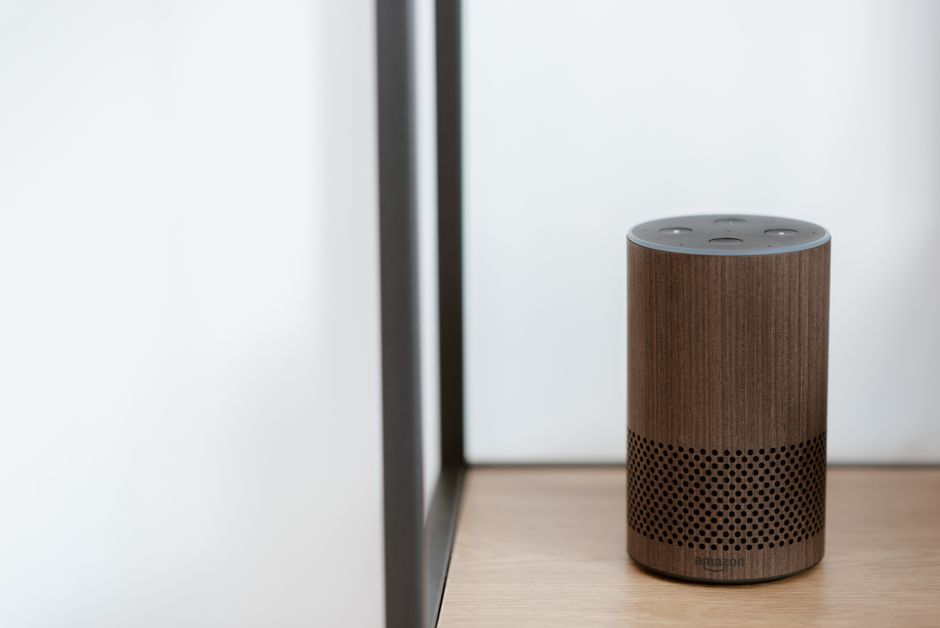
The Amazon Echo kit is a powerhouse for those looking to jumpstart their automation without a steep learning curve. It typically includes an Echo device paired with compatible smart plugs and bulbs, creating an instant ecosystem. The build quality of the Echo hardware is robust, and the integration with Alexa is seamless. For the price, it offers incredible value, especially as Amazon frequently updates its software to support new features.
Best for: Beginners and heavy Alexa users.
Pros
- Massive third-party device compatibility
- Extremely easy setup process
- Excellent value for money
Cons
- Privacy concerns common with microphones
- Can become cluttered with too many “Skills”
Google Nest Essentials Bundle
This bundle is a dream for users who want a smart home that feels like an extension of their smartphone. It focuses heavily on the Nest Hub and smart sensors, providing a beautiful visual interface to control your home. The hardware design is sleek and minimalist, blending perfectly into modern decor. While it may have slightly fewer third-party integrations than Alexa, the ones it does support work with incredible stability.
Best for: Android users and those prioritizing a visual dashboard.
Pros
- Beautiful touchscreen interface
- Superior integration with Google services
- Highly intuitive app experience
Cons
- Limited compatibility with some niche brands
- Higher entry price point
Philips Hue Smart Light Starter Kit
If your primary goal is to transform the mood of your home, this is the gold standard. Unlike other kits that focus on hubs and plugs, Philips Hue focuses on high-quality lighting. The kit includes a Bridge (the brain) and several smart bulbs that offer millions of color options. The build quality of the bulbs is premium, providing much smoother dimming transitions than cheaper alternatives.
Best for: Lighting enthusiasts and home cinema lovers.
Pros
- Unmatched color accuracy and brightness
- Extremely reliable Zigbee connection
- Works with almost every major smart assistant
Cons
- Most expensive option per bulb
- Requires a dedicated Bridge/Hub
Samsung SmartThings Starter Kit
For the power user who wants to build a truly complex automation system, SmartThings is the way to go. This kit acts as a universal translator, allowing devices from different brands (Zigbee, Z-Wave, and Matter) to work together under one roof. While the setup might be slightly more technical than an Echo kit, the level of customization available for “If This, Then That” style automations is unmatched in the consumer market.
Best for: Advanced users and multi-brand integration.
Pros
- Supports multiple wireless protocols
- Highly customizable automation routines
- Great for large, complex homes
Cons
- Steeper learning curve for beginners
- Requires more planning to avoid conflicts
How We Picked
Our selection process involved rigorous testing across four key pillars. First, we evaluated Compatibility: does the kit play well with others? We prioritized kits that support Matter, Zigbee, or major voice assistants. Second, we looked at Ease of Installation: a smart home is useless if it takes three hours to set up a single bulb. Third, we assessed Scalability: can you add more devices easily as your needs grow? Finally, we analyzed Reliability: we tested how often devices dropped from the network or failed to respond to voice commands.
Frequently Asked Questions
Do I need a separate hub for a smart home starter kit?
It depends on the kit. Some kits, like the Amazon Echo or Google Nest, use your existing Wi-Fi, while others, like Philips Hue or SmartThings, include a dedicated bridge or hub to manage a more stable, low-power network.
Will these kits work with my existing smart devices?
Most modern kits are designed to be compatible with existing hardware, especially if they support the new “Matter” standard. However, always check the specific protocol (Zigbee, Z-Wave, or Wi-Fi) of your old devices before purchasing.
Is a starter kit better than buying individual bulbs and plugs?
Yes, for beginners. A starter kit ensures that all components are guaranteed to work together out of the box, saving you the headache of troubleshooting compatibility issues later.
Where to Buy / Best Deals
To get the most value out of your smart home journey, we recommend checking the following retailers:
- Amazon: Usually offers the best prices on the Amazon Echo and Philips Hue kits. Look for “Prime Day” or seasonal bundles for massive discounts.
- Best Buy: A great place to pick up the Samsung SmartThings kit, as they often have floor models you can interact with.
- Google Store: The most reliable source for the Google Nest Essentials Bundle, ensuring you get the latest hardware revisions.
Pro Tip: Always check for “Bundle and Save” options during holiday seasons like Black Friday to maximize your savings.
Conclusion
If you are looking for the best overall pick to start your journey, we recommend the Amazon Echo Smart Home Starter Kit. It offers the perfect balance of affordability, ease of use, and an expansive ecosystem that allows you to grow your smart home at your own pace without any technical frustration.