We have all been there. You’ve packed the snacks, checked the tire pressure, and double-checked that everyone has their favorite stuffed animal. Then, about forty minutes into the drive, you hear it: the dreaded “Are we there yet?” followed closely by a heavy sigh or, even worse, a sudden meltdown.
Long stretches of highway can be incredibly taxing for little minds that aren’t used to sitting still. While tablets and handheld games are great lifesa/savers, they can lead to eye strain and missed scenery. That is where printable activity pages come in. They offer a low-tech, tactile way to keep children occupied, and the best part? You can customize them to your child’s specific interests before you even leave the driveway.
Why paper activities beat screens sometimes
Don’t get me wrong—I am not suggesting we ban technology entirely during travel. However, relying solely on screens can make the transition from car to destination much harder. Paper-based activities provide a different kind of engagement that helps pass the time without the “digital fog” that often follows hours of iPad use.
Using printables offers several developmental benefits:
- Fine motor skill development: Holding crayons, using stickers, and tracing lines keeps small hands active.
- Cognitive stimulation: Puzzles and logic games keep the brain working through boredom.
- Observation skills: Scavenger hunts encourage kids to look out the window and engage with the passing landscape.
Tailoring activities by age group
A coloring page that fascinates a three-year-old will likely bore a nine-year-old to tears. To make your road trip prep successful, you need to match the complexity of the printable to the developmental stage of your passenger.
Toddlers and Preschoolers
For the youngest travelers, simplicity is key. You want things that are best for toddlers because they lack the attention span for complex instructions. Look for printables that involve heavy coloring, large shapes, or simple sticker matching. At this age, “dot markers” or thick crayons are much easier for them to manipulate than thin pencils.
School-Aged Kids
Once kids enter elementary school, they crave a bit of a challenge. This is the perfect time to introduce word searches, mazes, or “I Spy” sheets. These activities require more focus and can keep them quiet for much longer stretches. If your child loves storytelling, try printing out “story starters” where they can draw and write what happens next in a fictional adventure.
Tweens and Older Kids
Older kids might feel “too cool” for coloring books, but they still need engagement. Think about logic puzzles, Sudoku, or even printable Mad Libs that the whole car can participate in. These are great because they can be done solo or as a group activity during a pit stop.
Types of printables to add to your travel binder
If you are building your own “Road Trip Activity Pack,” variety is your best friend. Mixing different types of tasks prevents fatigue and keeps the excitement levels steady.
- Scavenger Hunts: Create a list of things to spot, like a red truck, a cow, a wind turbine, or a specific road sign. This turns the window into a game.
- Coloring Sheets: Themes work well here—dinosaurs, space, or even landscapes that mimic what they might see on the route.
- Mazes and Logic Puzzles: These are excellent educational tools that help with spatial reasoning.
- Dot-to-Dot: This is a great way to bridge the gap between simple coloring and more complex drawing.
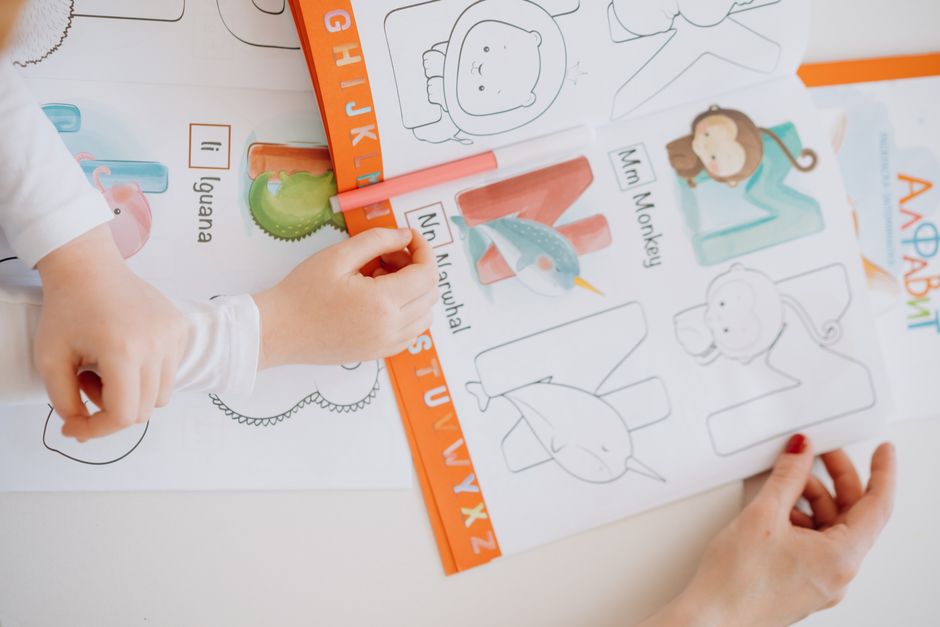
- Alphabet Games: A printable list of letters where they have to find objects outside that start with each letter.
le
Practical tips for carboard-bound creativity
Success in a moving vehicle requires a bit of strategic planning. You can’t exactly hand a child a loose pile of papers and expect them not to lose half of them under the seat.
First, invest in a sturdy plastic clipboard or a small lap desk. This provides a flat surface for writing, which is essential when the car is turning or hitting bumps. Second, use a zippered pouch to hold all crayons, stickers, and erasers. Keeping everything contained prevents that frantic “where is my blue crayon?” search during a highway merge.
Safety is also a major consideration. Always ensure that any small items, like tiny stickers or small erasers, are used under supervision, especially for younger children who might be prone to putting things in their mouths. Additionally, remind older kids that while they can play, they should never lean forward too far toward the seat in front of them while the vehicle is in motion.
Indoor vs outdoor: The transition strategy
When deciding how much prep work to do, consider the indoor vs outdoor nature of your stops. If you are planning a long haul with very few breaks, your printables need to be “heavy duty”—more complex and time-consuming. However, if your trip involves frequent stops at parks or rest areas, focus more on scavenger hunts that can be easily transitioned from the car to the sidewalk.
Having a mix of both ensures that whether you are stuck in traffic or walking through a state park, there is always something to keep their curiosity piqued.
Final thoughts for your next adventure
Road trips don’t have to be a test of endurance for parents. With a little bit of prep and a handful of well-chosen printables, you can transform a tedious drive into an opportunity for discovery and quiet play. It turns the car from a “waiting room on wheels” into a mobile classroom and art studio.
Ready to start planning your next family adventure? Grab some paper, a printer, and start creating your custom activity packs today so you can enjoy the drive as much as they do!