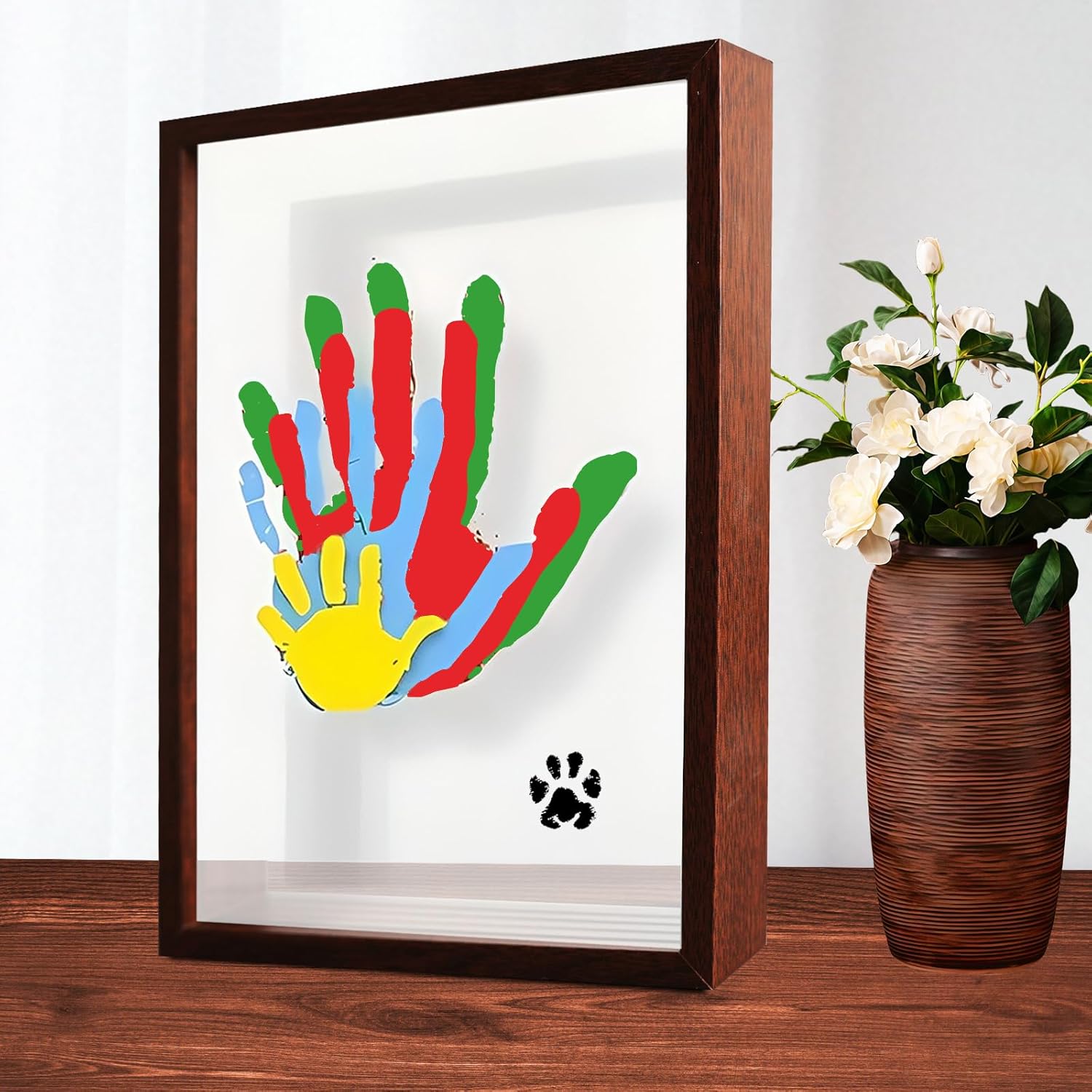
Remember the pure, unadulterated joy of a cardboard box? Before the era of high-definition tablets and subscription-based gaming apps, the most profound learning happened through imagination and simple, tactile objects. As a parent, you might feel the pressure to constantly provide “educational” entertainment, often leading to expensive toy hauls or a heavy reliance on screen time. But what if I told you that some of the most powerful cognitive development happens with items you already have in your recycling bin and pantry?

DIY learning games are more than just a budget-friendly alternative to store-bought toys; they are personalized educational tools that foster creativity, problem-solving, and fine motor skills. When you build a game with your child, you aren’t just teaching them math or literacy—you are teaching them that learning is an active, hands-on adventure. In this guide, we will explore a variety of DIY learning games categorized by developmental area, all designed to be made at home with minimal effort.
The Power of Play-Based Learning
Before we dive into the “how-to,” it is important to understand the “why.” Play-based learning is a pedagogical approach that uses the natural curiosity of children to drive educational outcomes. Unlike rote memorization, DIY games encourage “active construction” of knowledge. When a child physically moves a bottle cap to represent a number, they are engaging in concrete operational learning, which builds a much stronger foundation for abstract concepts later in life.
Math and Numeracy Games
Math anxiety often starts in early childhood. By turning numbers into tangible objects, you can strip away the intimidation factor and replace it with excitement.
1. The Muffin Tin Number Match
This game is perfect for toddlers and preschoolers working on number recognition and one-to-one correspondence.
- What you need: A muffin tin, small slips of paper, and “counters” (buttons, dried beans, or pom-soms).
- How to play: Write a number (1-12) on a slip of paper and place one slip in the bottom of each muffin cup. Ask your child to place the corresponding number of items into each cup.
- Learning Goal: Developing counting skills and recognizing numerical symbols.
2. Cardboard Number Line Jump
For older children who need to master addition and subtraction, physical movement is key.
- What you need: Painter’s tape or pieces of paper, and a marker.
- How to play: Create a long line of numbered squares on the floor using tape or paper. Call out an equation, such as “Start at 3 and add 4!” Your child must physically jump from square to square to find the answer.
- Learning Goal: Understanding the progression of numbers and the concept of addition/subtraction through kinesthetic learning.
Literacy and Language Development Games
Building a vocabulary and recognizing letter shapes doesn’t require expensive flashcards. You can turn your living room into a literacy lab using simple household items.
1. The Alphabet Scavenger Hunt
This is a high-energy game that keeps kids moving while sharpening their phonetic awareness.
- What you need: Just your imagination and a timer.
- How to play: Call out a letter and a sound (e.g., “Find something that starts with the ‘B’ sound!”). Your child must race around the house to find a ball, a book, or a banana.
- Learning Goal: Phonemic awareness and letter-sound association.
2. Sensory Salt Trays
For younger children, writing letters can be frustrating. A sensory tray allows them to “write” without the pressure of holding a pencil correctly.
- What and how: Fill a shallow tray or a baking sheet with a thin layer of salt, sand, or flour. Provide “letter cards” (hand-drawn on scraps of paper). Have your child use their index finger to trace the letter in the salt.
- Learning Goal: Pre-writing skills, fine motor control, and letter formation recognition.
Science and Sensory Exploration
Science is all about observation and experimentation. DIY science games encourage children to ask “why?” and “how?”
1. The Sink or Float Experiment
This classic experiment is a masterclass in the scientific method: hypothesis, testing, and conclusion.
- What you need: A large clear bowl or tub of water, and various household objects (a cork, a coin, a plastic toy, a stone, a leaf).
- How to play: Before dropping each item into the water, ask your child to predict: “Do you think this will sink or float?” After the test, discuss why the heavy metal coin sank while the light leaf floated.
- Learning Goal: Developing scientific inquiry, density concepts, and observational skills.
2. Homemade Playdough Lab
Making playdough is a science lesson in itself, involving chemistry (mixing solids and liquids) and measurement.
- What you need: Flour, salt, water, cream of tartar (optional), and food coloring.
- How to play: Involve your child in the measuring and stirring process. Once the dough is made, use it to create “sculptures” of animals or geometric shapes.
- Learning Goal: Measuring, following multi-step instructions, and sensory integration.
Tips for Success: Making DIY Learning Sustainable
Creating these games is wonderful, but the real magic happens in the consistency of play. Here are a few tips to ensure these activities become a staple in your home:
- Keep it short: Children have short attention spans. It is better to have five minutes of engaged, high-quality play than thirty minutes of forced instruction.
- Follow their lead: If they start turning the math game into a storytelling game, go with it! The goal is engagement, not strict adherence to the “lesson plan.”
- Rotate your “toys”: Don’t put all your DIY games out at once. Keep some in a “hidden” box and bring them out every week to keep the novelty alive.
- Embrace the mess: DIY learning can be messy. Set clear boundaries (e.g., “We only play with salt trays at the kitchen table”) to manage the cleanup.
Conclusion
The most valuable teaching tool you possess isn’t a high-tech gadget or an expensive educational subscription—it’s your time and creativity. By repurposing everyday items into engaging, hands-on games, you are fostering a lifelong love of learning and building memories that will last far longer than any digital high score.
Ready to start your DIY adventure? Pick one game from this list and try it out this weekend! If you enjoyed these ideas, subscribe to our newsletter for weekly inspiration on creative parenting, educational activities, and more!
Our Top Picks
Products we recommend:
1. 12 Tasty Cocktails You Can Make at Home

2. Learning at Home
3. Learning at Home
