Managing medications for an aging loved one can feel like a full-time job. One minute you are checking if the blood pressure pill was taken, and the next, you are trying to figure out if the new supplement interacts with their heart medication. It is stressful, and honestly, it is a lot of pressure to carry alone. If you feel like you are constantly playing a guessing game with pill bottles, you are definitely not alone.
The good news is that you don’t need a medical degree to get this organized. You just need a reliable system. When we talk about medication tracking, we aren”t talking about fancy high-tech gadgets that require a computer science degree. We are talking about simple, repeatable habits that provide peace of mind for both the caregiver and the senior.
Start with a Master Medication List
Before you can track daily doses, you need a single source of truth. Relying on scattered scraps of paper or memory is a recipe for mistakes. I always recommend creating one master document that stays in a visible spot, like on the refrigerator or in a dedicated folder.
This list should include more than just the name of the drug. To make this list truly useful, include these details for every single item:
- The exact name of the medication (both brand and generic).
- The dosage (e.g., 10mg, 5ml).
- The frequency (e.g., once daily, every 8 hours).
- The specific time of day it should be taken.
- What the medication is for (e.g., “for blood pressure”).
and most importantly, the prescribing doctor’s name and contact info.
Having this information in one place is incredibly helpful during emergency room visits or when calling a pharmacy to refill a prescription. It takes the guesswork out of the conversation.
Organizing the Physical Space
Where you keep the medications matters just as much as how you track them. If all the bottles are shoved into a dark cabinet, it is easy to miss a dose or accidentally double up. You want a setup that is easy to see but also safe from accidental ingestion by grandchildren or pets.
Use Pill Organizers Effectively
Weekly pill organizers are the gold standard for a reason. They are inexpensive and visually show you whether a dose was missed. If you are managing a complex schedule, look for organizers that have multiple compartments for different times of the day, such as “Morning,” “Noon,” and “Night.”
Pro tip: Set a specific time each week—Sunday evenings are usually best—to refill these organizers. This prevents the frantic scramble on a Tuesday morning when you realize the Tuesday dose is gone.
Create a “Medication Station”
Designate one specific area in the house as the medication station. This area should be well-lit and easy to reach. By keeping everything in one spot, you reduce the mental fatigue of searching through drawers. Keep your master list, the pill organizer, and a small logbook right there in this station.
Simple Tracking Methods That Actually Work
Once you have the supplies, you need a way to log what has actually happened. There are several ways to do this, depending on how much you like using technology versus pen and paper.
If you prefer the tactile feel of paper, a simple daily medication log is wonderful. This is just a notebook where you write the date and check off each medication as it is swallowed. It provides a physical trail of care that you can show to doctors during check-ups.
For those who are more tech-savvy, smartphone apps can be a lifesaver. There are many free apps designed specifically for medication reminders. These apps can send alerts to your phone and even your loved one’s phone. The benefit here is that you can receive a notification if a dose is missed, allowing you to follow up immediately.
If you want something even simpler, a dry-erase board on the fridge works wonders. It is highly visible to anyone entering the home and can be updated in seconds. A simple “Taken: Yes/No” column for each day is often enough to keep everyone on the same page.
Watch Out for Common Red Flags
Tracking is about more than just checking boxes; it is about observing changes. As a caregiver, you are the eyes and ears of the medical team. While you are managing the routine, keep a close eye on how the medications are affecting your loved one.
Be on the lookout for these specific signs:
- Increased confusion or sudden drowsiness.
- Changes in appetite or sudden weight fluctuations.
- New rashes or digestive issues.
- Dizziness, especially when standing up quickly.
If you notice these changes, don’t wait. Write down when you noticed the symptom and which medications were recently adjusted, then call the doctor. Having your organized medication list ready will make this much easier.
Communicating with the Healthcare Team
You are part of a larger team, even if it feels like it is just you and your loved one. The doctors and pharmacists need to know exactly what is happening at home. Never hesitate to ask questions during appointments. If a doctor prescribes something new, ask, “How does this interact with the current list?” or “Should we change the timing of the existing pills?”
Pharmacists are also an underutilized resource. They are experts in drug interactions and can often suggest better ways to organize or even provide “blister packs” where the pharmacy pre-packages the doses for you. This can significantly reduce the workload of refilling weekly organizers.
Managing care at home is a marathon, not a sprint. By setting up these small, consistent systems, you can reduce the daily anxiety and focus more on what really matters: spending quality time with your loved one.
If you found these tips helpful and want more advice on navigating the complexities of home care, subscribe to our newsletter for weekly organization guides and caregiver support.
Our Top Picks
Products we recommend:
1. Preventing Medication Errors at Home
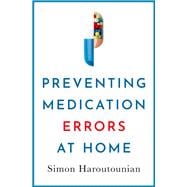
2. Preventing Medication Errors at Home
