Imagine this: You’ve just finished a grueling twelve-hour shift. Your feet ache, you’ve navigated three different complex wound dressings, and you just managed to de-escalate a particularly difficult situation with a patient’s family member. You’re ready to head home, but then comes the handoff. You realize the incoming nurse hasn’t read the latest notes, and suddenly, you’re stuck explaining the nuances of a changing medication dosage for the third time. It’s frustrating, it’s exhausting, and more importantly, it’s where mistakes happen.
In home healthcare, the handoff isn’t just a routine task; it is the primary point of vulnerability. Unlike a hospital setting where clinicians are physically close to one another, home health caregivers are often operating in isolation. When information fails to travel correctly from one provider to the next, the patient is the one who pays the price. Improving this process doesn’t require expensive new software; it requires better habits and a shared commitment to clarity.
Why the handoff is the most critical moment in home care
We often think of the handoff as a mere formality—a quick verbal summary before we clock out. However, clinical research consistently shows that communication breakdowns are a leading cause of preventable medical errors. In the home setting, these risks are amplified. You aren’t just handing over a patient; you are handing over a complex environment, a set of family dynamics, and a specific set of home-based medical equipment.
When a handoff is sloppy, the incoming caregiver might miss a subtle change in a patient’s respiratory rate or fail to notice that a wound looks more inflamed than it did four hours ago. A bad handoff leads to increased readmissions, higher stress for the care team, and a breakdown in the trust that patients place in your agency. By focusing on structured communication, you create a safety net that protects both the patient and your professional reputation.
Essential elements of a high-quality clinical handoff
A good handoff should be more than just a list of what happened. It needs to provide context. If you are passing information to a colleague, try to organize your thoughts around these core pillars:
- Patient Status Changes: Did the patient’s blood pressure spike? Did they experience any new pain? Focus on what has changed since the last visit.
- Medication Adjustments: Any new prescriptions, missed doses, or changes in how a patient is responding to existing meds must be front and center.
- Environmental Factors: In home care, the house matters. Mention if a caregiver was absent, if there is a new wound care supply needed, or if the patient’s mobility has decreased due to a cluttered walkway.
- Pending Tasks: What is left on the to-do list? Are there lab results expected by the end of the shift?
- Family Dynamics: If a family member is becoming increasingly anxious or difficult to work with, the incoming nurse needs to be prepared for that interaction.
Using a structured framework like SBAR
If you find yourself rambling during handoffs, you aren’t alone. Many clinicians struggle to prioritize information under pressure. One of the most effective ways to fix this is by using the SBAR method. This framework keeps you on track and ensures you don’t forget the “why” behind the “what.”
- Situation: Briefly state the patient’s name and the immediate reason for the handoff (e.g., “Mr. Jones is experiencing increased shortness of breath”).
- Background: Provide the necessary context. Mention their primary diagnosis, recent hospitalizations, or relevant medical history.
- Assessment: Share what you observed. “His oxygen saturation dropped to 88% on room air, and his lung sounds are crackly.”
- Recommendation: Tell the incoming provider what you think needs to happen next. “I’ve notified the physician, but please keep a close eye on his respiratory rate during your visit.”
::
Common pitfalls to avoid during shift changes
Even with the best intentions, certain habits can derail a handoff. Recognizing these “communication killers” is the first step toward fixing them. First, avoid the temptation to use “shorthand” or vague language. Saying a patient is “doing fine” is unhelpful. Instead, use objective data. Instead of “fine,” try “stable, with vitals within normal limits.”
Another major pitfall is the “information dump.” While it is tempting to tell every single detail about your day, overwhelming your colleague with irrelevant information makes it harder for them to find the critical pieces. Be concise. If a detail doesn’t impact the immediate care or safety of the patient, save it for a later discussion.
Finally, never assume that “they already know.” Even if a change was documented in the Electronic Health Record (EHR), verbalizing the most critical updates ensures that the information is prioritized. The goal is to bridge the gap between the written record and the real-time reality of the patient’s condition.
Creating a culture of closed-loop communication
The handoff shouldn’t be a one-way street. True safety comes from closed-loop communication, where the receiver acknowledges and repeats back the most vital information. If you tell a colleague, “The patient’s insulin dose was halved today,” and they respond with, “Got it, insulin dose is now half the previous amount,” you have significantly reduced the chance of a misunderstanding.
Encourage your team to ask questions. A handoff is not complete until the incoming clinician feels confident enough to take over. If they are hesitant or asking clarifying questions about a specific wound or medication, take those extra two minutes to clarify. It is much better to spend two extra minutes during the handoff than two hours dealing with an emergency later.
Standardizing the process for your agency
If you are in a leadership position, you can do more than just suggest better habits; you can build a system that makes excellence easy. Standardizing the handoff process across your entire agency reduces variability and ensures every patient receives the same high level of care, regardless of which nurse is on duty.
Consider implementing a standardized handoff template within your documentation software. This template could include specific fields for SBAR components, ensuring that no one forgets to mention medication changes or environmental risks. When the format is the same every time, it becomes second nature for the staff, reducing the cognitive load required to process complex information.
Training is also vital. Conduct regular workshops or “mock handoffs” where staff can practice using the SBAR method and receive feedback in a low-pressure environment. This builds the muscle memory needed to perform effectively during the high-stress moments of a real shift change.
Improving your handoff process is one of the most impactful things you can do for patient safety. It requires discipline, but the payoff—fewer errors, less stress, and better patient outcomes—is well worth the effort. Start small by implementing a structured framework in your next shift, and watch how much more confident you feel when you finally walk out that door
Are you looking to improve clinical workflows and patient safety in your home health agency? Contact our team today to learn how our specialized training programs can help your staff master communication and reduce medical errors.
Our Top Picks
Products we recommend:
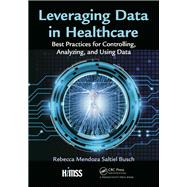
1. Leveraging Data in Healthcare: Best Practices for

2. Leveraging Data in Healthcare: Best Practices for Controlling, Analyzi

Leveraging Data in Healthcare: Best Practices for Controlling, Analyzi
by BiggerBooks.com
$200.70
3. The Healthcare Consultant’s Handbook: Career Opportunities and Best Practices

The Healthcare Consultant’s Handbook: Career Opportunities and Best Practices
by KnihyDobrovsky.cz
$1452.00