The landscape of content creation is shifting beneath our feet. As we move toward the mid-2020s, the question is no longer whether you should use artificial intelligence, but how effectively you can integrate it into your workflow. Whether you are an academic researcher, a novelist, or a marketing professional, finding the best AI writing tools can be the difference between a streamlined, high-quality output and a cluttered, unoriginal mess. Choosing the right resources matters because the “tool” isn’t just software; it is the methodology and the knowledge of how to prompt, edit, and ethically implement these technologies.
When searching for the top AI writing tools 2026, you should look for more than just a subscription to a chatbot. You should look for comprehensive guides, educational eBooks, and structured methodologies that teach you how to maintain your unique voice while leveraging machine efficiency. A great tool should enhance your creativity, not replace it, and provide a framework for accuracy, citation, and stylistic integrity.
This guide is designed for students, academics, and creative writers who are looking to bridge the gap between traditional literacy and the new era of generative intelligence. We have reviewed a variety of instructional resources and eBooks—ranging from budget-friendly guides to premium academic deep-dives—to help you decide which AI writing tools to buy based on your specific professional or educational needs.
AI Writing Resources Comparison
Product
Price
Best For
Rating
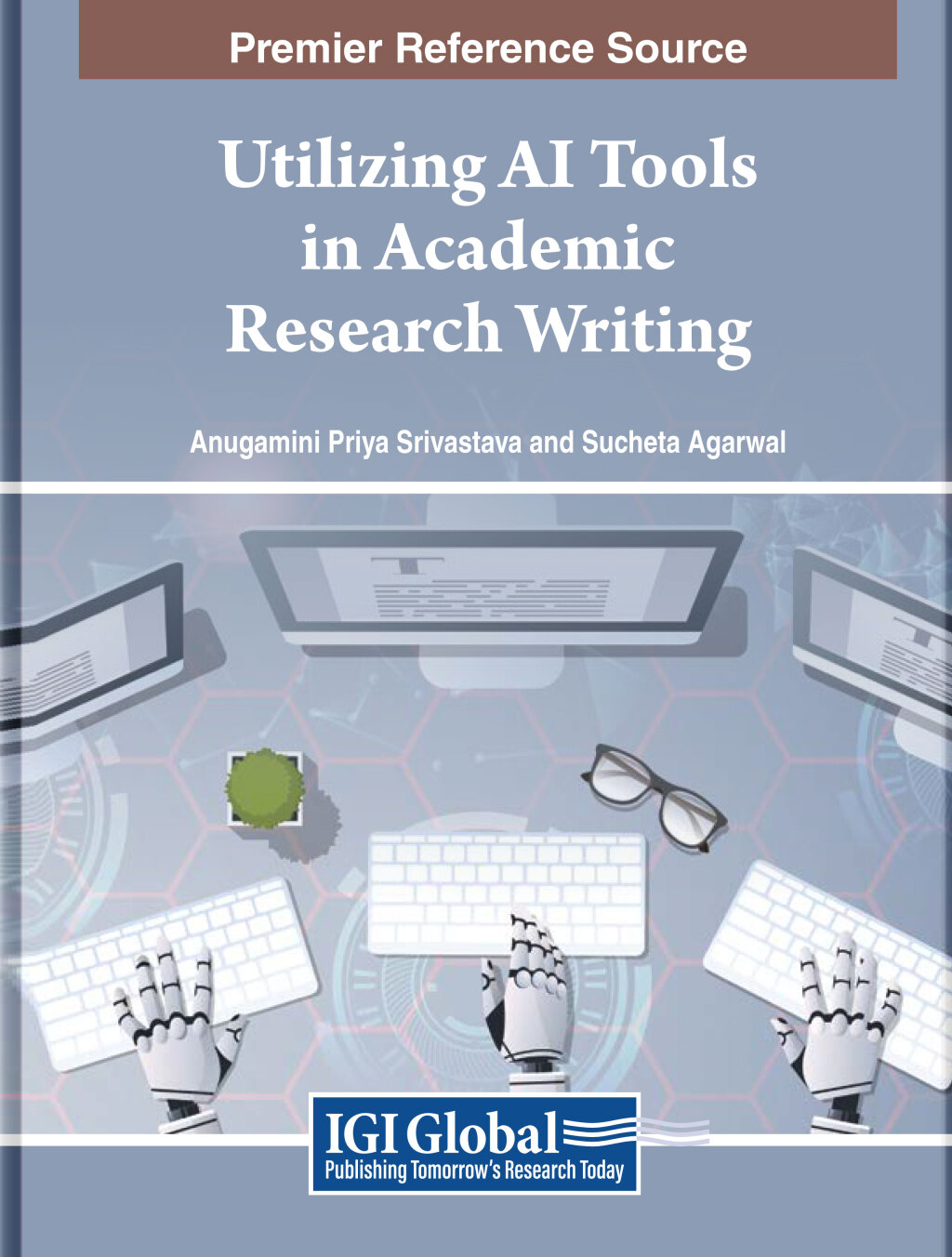
Utilizing AI Tools in Academic Research Writing
$210.91
Advanced Researchers
4.9/5
AI and Writing (Knetbooks)
$19.59
Students on a Budget
4.5/5
Writing Tools (OnBuy)
$12.63
General Writing Basics
4.2/5
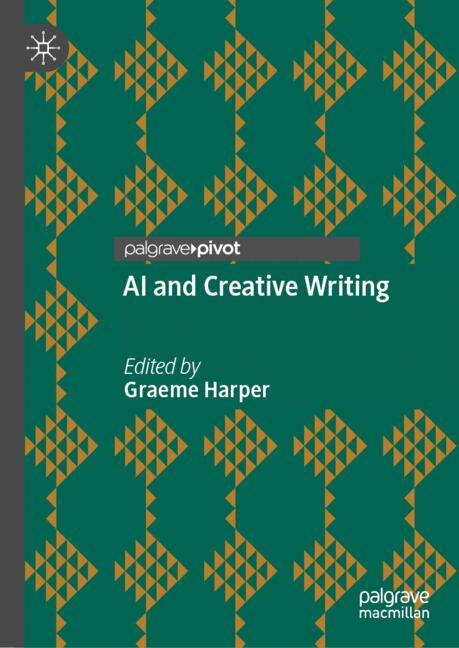
AI and Creative Writing (Springer Nature)
$27.99
Fiction Authors
4.7/5
AI and Creative Writing (SpringerLink)
$44.99
Professional Authors
4.6/5
AI and Creative Writing (Springer Nature) vs. AI and Creative Writing (SpringerLink Shop INT): Which Is Better?
If you are a novelist or a screenwriter, you will likely encounter two very similar-sounding titles from the Springer ecosystem. The primary difference between these two products lies in the depth of the academic framework and the intended audience. The “Springer Nature Author” version is streamlined for practitioners looking for immediate, actionable creative techniques, making it a more accessible entry point for those not affiliated with a major research institution.
On the other hand, the “SpringerLink Shop INT” version is often more comprehensive, catering to those who require a deeper look at the technicalities of Large Language Models (LLMs) and their impact on narrative structure. If you are looking for a quick guide to boost your prose, the Nature Author version is the winner. However, if you are conducting a deep study into the intersection of technology and literature, the SpringerLink version offers the prestige and depth required for high-level analysis.
Utilizing AI Tools in Academic Research Writing (eBook) by VitalSource
This is the premium heavyweight in our collection, designed specifically for the rigorous demands of the scientific and academic community. This eBook provides an incredibly detailed roadmap for using generative AI to assist in literature reviews, data synthesis, and manuscript drafting without compromising academic integrity. The value here lies in its depth; it covers the complex ethics of AI in peer-reviewed environments. It is an essential investment for PhD candidates and professors who need to stay at the cutting edge of research technology.
Utilizing AI Tools in Academic Research Writing (eBook)
Best for: Professional researchers and PhD students.
Pros
Comprehensive coverage of academic ethics
Deep look at research methodology
Highly authoritative content
Cons
High price point
Steep learning curve for beginners
AI and Writing by Knetbooks.com
Knetbooks offers a fantastic middle-ground resource that focuses on the practical application of AI in everyday writing tasks. This guide is particularly strong at explaining how to use AI for brainstorming and outlining without losing the human element. The instructional design is clear, making it easy to digest even if you are new to the concept of prompt engineering. It offers excellent value for anyone looking to modernize their writing workflow without spending a fortune.
This is our most budget-friendly option, functioning more as a toolkit of essential writing principles that can be applied alongside AI. While it doesn’t focus exclusively on generative AI, it provides the necessary groundwork of grammar, structure, and clarity that makes AI outputs usable. It is a great “starter kit” for anyone who wants to understand the fundamentals of good writing before they start automating it. It is a low-risk, high-reward purchase for those just starting their journey.
This resource is a standout for those interested in the intersection of storytelling and technology. It focuses heavily on how AI can be used to overcome writer’s block and expand the boundaries of world-building. The quality of the insights is high, providing a structured way to use AI as a collaborative partner in the creative process. It is an excellent bridge between technical AI knowledge and artistic expression.
Best for: Hobbyist novelists and short-story writers.
Pros
Focuses on narrative creativity
Practical for overcoming writer’s block
High-quality publishing standard
Cons
May be too light for professional academics
Focus is narrower than other guides
AI and Creative Writing by SpringerLink Shop INT
For those looking for a more robust and scholarly approach to creative technology, this is the definitive choice. This version provides a more rigorous analysis of how AI affects the creative industry, making it a much more substantial ai writing tools review subject. It is ideal for those who want to understand the “why” behind the technology as much as the “how.” While more expensive than the Nature Author version, the depth of information is significantly greater.
Best for: Professional authors and literary scholars.
Pros
Deeply analytical and scholarly
Covers complex creative implications
Excellent for long-term reference
Cons
Higher price than the Nature version
Can be dense for casual readers
How We Picked
To provide an accurate ai writing tools review, we evaluated these products based on four key pillars: Authority, Utility, Accessibility, and Value. We looked for resources published by reputable academic and professional publishers (like Springer and VitalSource) to ensure the information was factually sound. We also assessed the “Utility” by determining how applicable the content is to real-world writing scenarios—from academic publishing to fiction writing. Finally, we compared the price-to-content ratio to ensure our readers can find a tool that fits their specific budget and skill level.
Frequently Asked Questions
Can AI writing tools replace human authors?
No. The best way to view these tools is as a “co-pilot.” While AI can generate text, the human element is required for fact-checking, emotional resonance, and ethical oversight. The resources reviewed in this guide all emphasize using AI to enhance, rather than replace, human creativity.
Which tool is best for academic integrity?
If you are concerned with the complexities of citations and avoiding plagiarism, the “Utilizing AI Tools in Academic Research Writing” by VitalSource is the most specialized and trustworthy resource for navigating these ethical waters.
Are these tools worth the investment for beginners?
Yes, especially the lower-priced options like the OnBuy or Knetbooks guides. Learning the logic of AI writing early can save you hundreds of hours of frustration and prevent the development of bad habits like over-reliance on unedited AI output.
Where to Buy / Best Deals
If you are looking to upgrade your writing toolkit, here are our top recommendations for where to purchase these resources:
For the most comprehensive academic training: Purchase Utilizing AI Tools in Academic Research Writing directly through VitalSource. It is a premium investment but offers the highest ROI for researchers.
For the best value for students: Check Knetbooks.com for AI and Writing. It is currently one of the most affordable ways to learn modern workflows.
For professional fiction writers: Look to the SpringerLink Shop for the most authoritative texts on creative AI.
For budget-conscious beginners:OnBuy.com offers the Writing Tools guide at an unbeatable price point for those just starting out.
Final Verdict: If you are a professional or student looking for the best overall pick that balances depth and modern application, we recommend AI and Creative Writing by Springer Nature Author. It offers the perfect intersection of professional-grade instruction and accessible, creative application.