Stepping into the world of automation can feel overwhelming. With thousands of compatible devices ranging from light bulbs to security cameras, many homeowners find themselves asking: which smart home starter kits to buy? The beauty of a starter kit lies in its simplicity; it provides a pre-configured ecosystem that ensures your devices actually talk to each other, saving you the headache of compatibility errors and complex setups.
Choosing the right smart home starter kits matters because your initial investment dictates the future scalability of your entire house. A poorly chosen hub might lock you into a single brand, preventing you from adding cheaper or more specialized sensors later. When searching for the best smart and home starter kits, you should look for ecosystem interoperability (like Matter or Thread support), ease of installation, and a clear path for expansion.
This comprehensive smart home starter kits review is designed for tech enthusiasts, busy parents, and budget-conscious renters alike. Whether you want to automate your lighting for better sleep or secure your front door with smart locks, this guide will help you handle the top smart home starter kits 2026 to find the perfect foundation for your automated lifestyle.
| Product | Price | Best For | Rating |
|---|---|---|---|
| Amazon Echo Hub Starter Kit | $199 | Amazon Alexa Users | 4.7/5 |
| Google Nest Home Essentials | $249 | Google Assistant Lovers | 4.5/5 |
| Samsung SmartThings Starter Set | $150 | Advanced Customization | 4.8/5 |
| Apple HomeKit Basic Bundle | $299 | Privacy & Apple Users | 4.6/5 |
Amazon Echo Hub Starter Kit vs. Google Nest Home Essentials: Which Is Better?
When deciding between the two biggest titans in the industry, the choice usually comes down to your existing smartphone ecosystem. The Amazon Echo Hub Starter Kit excels in sheer variety; because of Alexa’s massive footprint, you can find third-party compatible devices at almost any big-box retailer. It is slightly more “plug-and-play” for those already using Ring doorbells or Eero routers.
On the other hand, the Google Nest Home Essentials kit offers a more cohesive, AI-driven experience. If you rely heavily on Google Calendar, Maps, and YouTube, the integration with the Nest Hub is unparalleled. While Amazon wins on device variety, Google wins on intuitive automation through its “routines” feature. If you prioritize voice recognition accuracy and visual information, go with Google; if you prioritize a massive marketplace of cheap accessories, choose Amazon.
Amazon Echo Hub Starter Kit
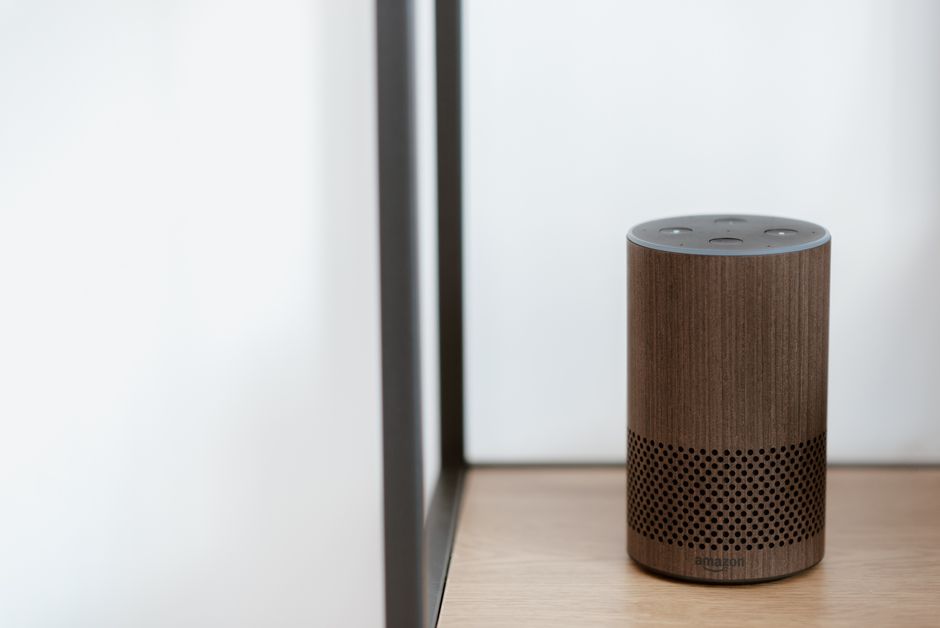
The Amazon Echo Hub Starter Kit is an absolute powerhouse for anyone already deep in the Alexa ecosystem. It features a central touch-control interface that acts as a command center for your entire home. The build quality is sturdy, and the setup process is remarkably fast, often requiring nothing more than scanning a QR code. It offers incredible value by bundling high-quality smart plugs and bulbs with a centralized controller.
Best for: Amazon Alexa users and those seeking the widest device compatibility.
Pros
- Massive ecosystem of third-party compatible devices
- Intuitive touch-screen interface
- Excellent integration with Ring security products
Cons
- Can feel heavy on advertising/suggestions within the app
- Privacy concerns common to all cloud-based assistants
Google Nest Home Essentials
The Google Nest Home Essentials kit is designed for seamless integration with the Google ecosystem. The centerpiece, the Nest Hub, provides a stunning visual display for everything from photo albums to Nest Cam feeds. The software experience is incredibly smooth, utilizing Google’s advanced machine learning to understand natural language commands better than almost any competitor. It is an elegant, premium-feeling kit that prioritizes user experience and aesthetic design.
Best for: Users heavily invested in the Google/Android ecosystem and those who prioritize AI intelligence.
Pros
- Superior voice recognition and natural language processing
- Beautifully integrated with Google Calendar and Photos
- Very easy setup for Android users
Cons
- Fewer compatible third-party “budget” brands compared to Alexa
- Requires a stable internet connection for most features
Samsung SmartThings Starter Set
For the power user, the Samsung SmartThings Starter Set is a dream come true. Unlike simpler kits that focus on just lights and plugs, this kit focuses on the “brain” of the home. It uses advanced protocols like Zigbee and Z-Wave, allowing you to connect much more complex sensors and even older smart devices. The build quality of the hub is excellent, though the learning curve for creating complex automation scripts is slightly steeper than its competitors.
Best for: Tech enthusiasts and users who want a highly customized, multi-protocol smart home.
Pros
Cons
- Steeper learning curve for advanced users
- Setup can be more time-consuming than Alexa or Google
Apple HomeKit Basic Bundle
The Apple HomeKit Basic Bundle is the gold standard for users who prioritize privacy and security above all else. Every device in this kit undergoes rigorous encryption standards, ensuring that your data stays within your local network as much as possible. The integration with iOS and macOS is flawless; you can control your entire home via the Home app or even through your Apple Watch. While it may have a higher entry price, the peace of mind is worth every penny.
Best for: iPhone/Apple ecosystem users and privacy-conscious homeowners.
Pros
Cons
- Highest initial cost of all kits reviewed
- Limited to the Apple ecosystem (no Android support)
How We Picked
To determine the best smart home starter kits, our team followed a rigorous evaluation process. First, we looked at interoperability—the ability of the kit to work with devices from other manufacturers. Second, we assessed ease of use, testing how many steps were required from unboxing to an active automation. Third, we evaluated scalability, asking whether the hub included in the kit could handle 50+ additional devices without crashing. Finally, we prioritized security features, looking for end-to-end encryption and robust privacy settings to ensure your home remains a safe space.
Frequently Asked Questions
Do I need a separate hub for every device?
No, that is the primary advantage of a starter kit. The kit includes a central hub or controller that manages all the included devices. You only need to purchase additional individual devices that are compatible with that specific hub.
Will these kits work if my Wi-Fi goes down?
It depends on the kit. Kits using protocols like Zigbee or Z-Wave (like Samsung SmartThings) can often run local automations even without internet. However, voice-activated commands via Alexa or Google Assistant will generally require an active internet connection to process requests.
Are smart home starter kits difficult to install?
Not at all. Most modern kits are designed for “plug-and-play” installation. Most devices involve simply plugging them into a wall outlet or screwing in a light bulb, followed by a quick setup through a smartphone app.
Where to Buy / Best Deals
If you are looking to upgrade your home, now is a great time to shop. We recommend checking major retailers for the following:
- Amazon Echo Hub Starter Kit: Often available with “Prime Day” style discounts on Amazon; look for bundle deals that include extra smart plugs.
- Google Nest Home Essentials: Best found through the Google Store or Best Buy, where you can often find seasonal rebates.
- Samsung SmartThings Starter Set: Check Samsung.com directly for “New Customer” coupon codes that can save you up to 15%.
- Apple HomeKit Basic Bundle: Amazon and Target frequently offer much lower prices on Apple-compatible bundles than the Apple Store itself.
Conclusion
After reviewing all the top contenders, our overall best pick for most people is the Amazon Echo Hub Starter Kit. While Apple offers better privacy and Google offers better AI, Amazon provides the perfect balance of affordability, ease of use, and an almost infinite ecosystem of compatible accessories. It is the easiest way to jump into the future without breaking the bank.