Tag: caregiver organization

  • How To Set Up A Caregiver Daily Log Book

    How To Set Up A Caregiver Daily Log Book

    If you’ve ever found yourself staring blankly at a doctor during a follow-up appointment, trying to remember if your loved one had a fever last Tuesday or if they skipped their medication on Wednesday, you know the exact type of stress I’m talking about. Caregiving is a marathon of tiny details. When you are managing medications, meals, moods, and mobility, your brain simply isn’t designed to hold all that information perfectly. This is exactly why a daily log book is your best friend.

    A log book isn’t just a notebook; it is a communication tool. It bridges the gap between shifts if you use in-home help, and it provides a clear, factual history for medical professionals. Setting one up doesn’t require a degree in nursing or a fancy organizational system. You just need a consistent method to capture what matters.

    Deciding on your format

    Before you grab a pen, you need to decide how you want to carry this information. There is no single right way to do this, but your choice should depend on your lifestyle and how much detail you need to track.

    Some people prefer a classic physical binder. This is great because you can tuck in printed lab results, discharge papers, or doctor’s notes right alongside your daily entries. It feels permanent and is easy to hand to a nurse during a home visit. On the other hand, a simple spiral notebook is much more portable if you are constantly moving between a care facility and home.

    If you are someone who always has your phone in hand, a digital option like a dedicated notes app or a specialized caregiving app might work better. Digital logs are easy to search and hard to lose, though they can be a bit harder to share with family members who aren’t tech-savvy. Ultimately, pick the method you will actually use every single day.

    Essential components to include

    A blank page can be intimidating. To prevent you from forgetting key details, I recommend creating a template or a set of recurring headers. You don’t need to track every single breath, but certain categories are non-negotiable for maintaining a clear picture of health.

    Vital signs and physical health

    If a doctor has asked you to monitor specific metrics, these should be the first thing you record. This might include:

    • Body temperature
    • Blood pressure readings
    • Blood glucose levels
    • Weight changes (if applicable)
    • Pain levels (on a scale of 1-10)

    Medication and nutrition tracking

    Mistakes in medication are one of the biggest risks in caregiving. Your log should clearly show when a dose was administered and if any changes were made by a physician. Alongside this, keep a simple record of food and fluid intake. This is particularly helpful for tracking hydration or managing diets for diabetes or kidney issues.

    Daily activities and mobility

    Recording movement helps identify patterns of decline or improvement. Note things like whether they completed their physical therapy exercises, how much they walked, or if they had any falls or near-misses. Even something as simple as “spent 30 minutes in the garden” provides context for their overall well-being.

    Mood and cognitive status

    Health isn’t just physical. Tracking sleep patterns, appetite, and emotional state can reveal early signs of infection, depression, or cognitive shifts. Noting “more confused than usual this morning” can be a vital clue for a doctor trying to diagnose a UTI or other underlying issues.

    How to structure your daily entries

    Consistency is the secret sauce here. You don’t need to write a novel every night, but you do need to be methodical. I suggest following a simple chronological structure.

    Start each day with a quick summary of the previous night’s sleep. Then, move through the day in blocks: morning, afternoon, and evening. This makes it easier to look back and see if a certain medication caused lethargy in the afternoon, for example.

    When writing, try to stick to objective observations. Instead of writing “he seemed grumpy,” try “he refused breakfast and was less communicative than usual.” This distinction is incredibly helpful for medical professionals who need facts rather than interpretations to make clinical decisions.

    Tips for staying consistent

    The biggest challenge isn’t setting up the log; it’s keeping it up when you are exhausted. Caregiving burnout is real, and a log book can feel like just another chore on an endless list. Here are a few ways to make it easier on yourself:

    1. Keep the log in a highly visible spot, like the kitchen counter or the bedside table.
    2. Set a “log time” alarm on your phone to remind you to write before you go to bed.
    3. Use a “quick-entry” method. If you are too tired to write a full entry, just jot down bullet points and expand on them later.
    4. Involve others. If a sibling or a professional caregiver steps in, make it part of their hand-off routine to update the book.

    Remember, the goal is accuracy over perfection. If you miss a day, don’t give up. Just start again with the next entry. The information you capture is a vital piece of the care puzzle, and even a partial record is better than no record at all.

    When to share your findings

    A log book is only useful if the right people see it. You should bring your log to every specialist appointment. It serves as a prepared report, saving you from the stress of trying to recall details under pressure. It also allows the doctor to see trends over weeks or months, rather than just a single snapshot in time.

    Furthermore, if you are part of a care team involving family members, the log acts as a single source of truth. It reduces the number of “how is Mom doing?” texts you have to answer because everyone can check the book for the latest updates.

    If you are feeling overwhelmed by the logistics of care, start small. Grab a notebook today and just commit to tracking one thing—perhaps just medication or just meals. Once that becomes a habit, you can add more layers to your system.

    Our Top Picks

    Products we recommend:

    1. Caregiver Log Book: A Daily Record

    Caregiver Log Book: A Daily Record

    Caregiver Log Book: A Daily Record

    by Indigo Books & Music

    $18.50

    Check Price →

    2. The Engaged Caregiver: How to Build a Performance-

    The Engaged Caregiver: How to Build a Performance-

    The Engaged Caregiver: How to Build a Performance-

    by eCampus.com

    $35.00

    Check Price →

    3. Caregiver Daily Log Printable by Creative Corner | Creative Market

    Caregiver Daily Log Printable by Creative Corner | Creative Market

    Caregiver Daily Log Printable by Creative Corner | Creative Market

    by Creative Market

    $14.00
    Check Price →

  • Shift Handoff Best Practices For Home Healthcare

    Shift Handoff Best Practices For Home Healthcare


    Imagine you’ve just finished a grueling twelve-hour shift. Your feet ache, your brain is fried, and all you want to do is head home. You sit down with the incoming nurse, ready to pass the baton. But instead of a quick update, you find yourself digging through messy paper notes, trying to remember if Mrs. Higgins took her midday dose, and realizing the incoming clinician hasn’t even looked at the updated wound care instructions. This isn’t just frustrating; it’s dangerous.

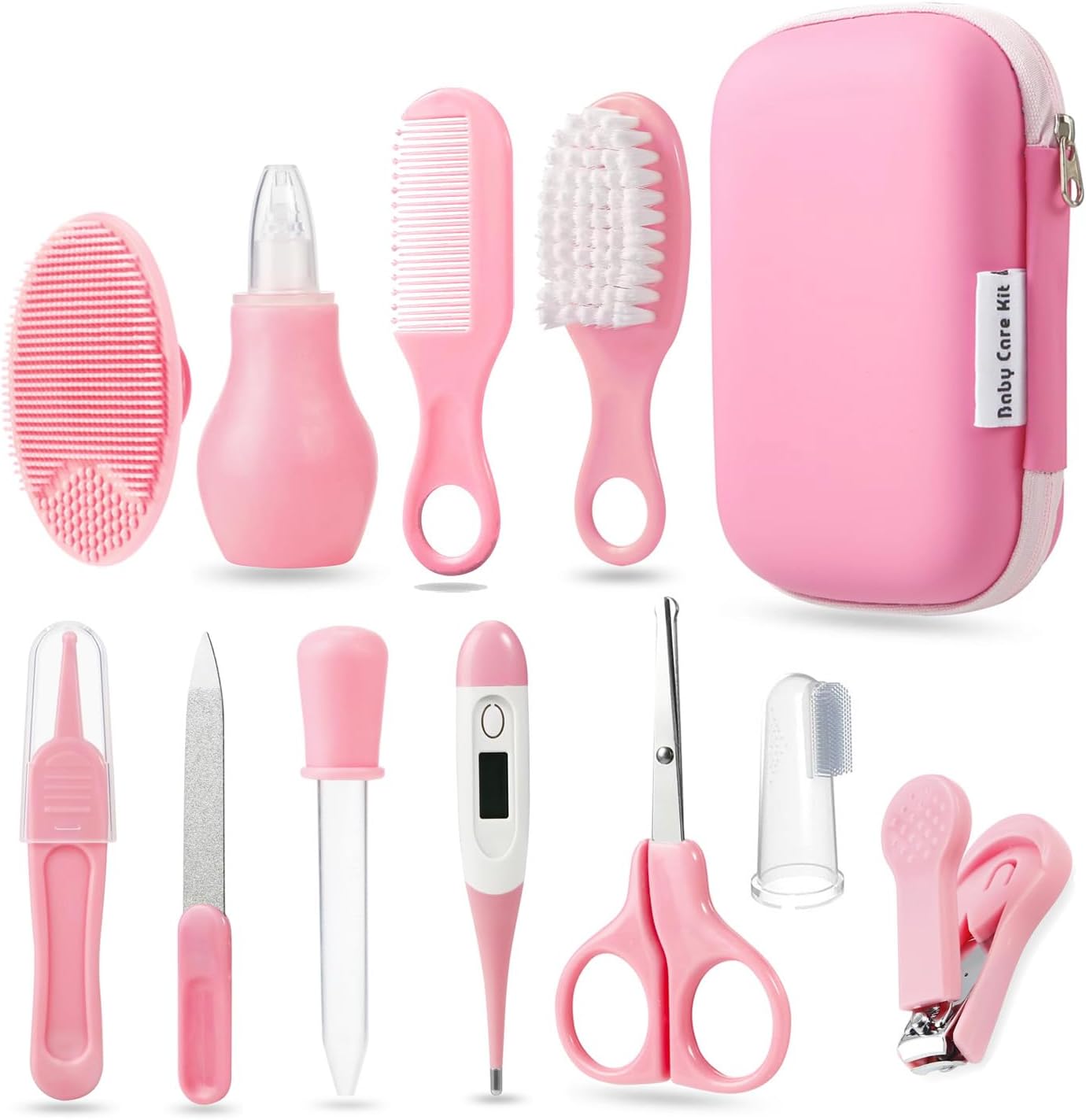
    PandaEar Baby Healthcare and Grooming Kit, Baby Safety Set Baby Comb, Brush, Fin

    In home healthcare, the handoff is the most vulnerable moment in a patient’s care cycle. Unlike a hospital, where staff are physically clustered in one unit, home health caregivers are often operating in isolation. When information fails to travel correctly from one person to the next, the patient is the one who pays the price. Getting this right isn’t about fancy software; it’s about building a reliable habit of communication.

    Why the handoff is the most critical moment in home care

    We often think of handoffs as a mere administrative formality, a box to check before we clock out. However, clinical errors frequently stem from “information decay”—the natural loss of detail that happens as news travels from a patient’s bedside to a caregiver’s brain, and finally into a written report. In a home setting, where the environment is uncontrolled and unpredictable, a bad handoff can lead to missed medication, unrecognized changes in vital signs, or even unnecessary hospital readmissions.

    A successful handoff serves two main purposes: it maintains continuity of care and it provides a safety net for the incoming clinician. When the person taking over the shift feels fully informed, they can focus on clinical assessment rather than playing detective. This reduces burnout for the outgoing staff and builds trust within the care team.

    Essential components of a high-quality handoff

    To avoid the “information scavenger hunt,” every handoff should follow a structured format. While every agency has its own way of doing things, certain pieces of information are non-negotiable. If you aren”t covering these bases, you’re leaving too much to chance.

    Patient status and recent changes

    The very first thing the incoming clinician needs to know is how the patient is doing right now. Did their blood pressure spike during your shift? Did they seem more confused than usual? Don’t just report the vitals; report the context. Instead of saying “BP was 140/90,” try saying “BP was slightly elevated at 140/90, which is a change from their usual 120/80, and they seemed a bit more lethargic than this morning.”

    Medication administration and updates

    Medication errors are a leading cause of patient harm. Your report must clearly state what was administered, what was missed, and any new orders that were received during your shift. If a pharmacy delivery was delayed or if a patient refused a specific dose, that detail needs to be front and center.

    Environmental and safety concerns

    Home healthcare is unique because the “unit” is someone’s private residence. If you noticed a loose rug that is a tripping hazard, or if a family member mentioned that the oxygen tank is running low, this is vital information. These environmental factors are just as important as clinical data when it comes to preventing injury.

    Structured communication frameworks to use

    If you find your handoffs are becoming rambling or disorganized, try using a framework. These are tools used in high-stakes environments like aviation and surgery to ensure nothing gets missed. They provide a mental checklist that keeps you on track.

    • SBAR (Situation, Background, Assessment, Recommendation): This is the gold standard. Start with the immediate situation, provide the necessary patient history, share your clinical assessment of what is happening, and end with what you think needs to happen next.
    • ISBAR (Identification, Situation, Background, Assessment, Recommendation): A slight variation that begins with clearly identifying who you are and which patient you are discussing. This is particularly helpful in larger agencies with multiple clinicians.
    • The “Check-Back” Method: After giving your report, ask the incoming clinician to repeat the most critical points back to you. This ensures that what you *said* is actually what they *heard*.

    Common pitfalls that ruin handoffs

    Even with the best intentions, certain habits can undermine the quality of your communication. Recognizing these patterns is the first step toward fixing them.

    One of the biggest culprits is relying solely on memory. It is tempting to think, “I’ll just tell them when I see them,” but human memory is notoriously unreliable under stress. Always have a written or digital summary ready to accompany your verbal report.

    Another issue is the “data dump.” This happens when a clinician provides too much irrelevant information, burying the critical updates under a mountain of trivial details. If you spend ten minutes talking about a patient’s breakfast but forget to mention their new skin tear, the handoff has failed. Focus on the changes, the risks, and the tasks that require immediate attention.

    Finally, avoid the trap of “assumed knowledge.” Never assume the incoming clinician knows the nuances of a patient’s recent doctor’s visit or a specific family dynamic. If it isn’t in the official chart, say it out loud.

    Practical tips for a smoother transition

    Improving your handoff doesn’t require a massive overhaul of your agency’s workflow. Small, intentional changes can make a huge difference in the daily routine.

    1. Schedule dedicated time: Try to avoid doing handoffs while you are walking out the door or while the incoming nurse is busy with another patient. Even five minutes of focused, uninterrupted time is better than fifteen minutes of distracted chatting.
    2. Use standardized templates: Whether it is a paper form or a section in your Electronic Health Record (EHR), having a consistent template ensures that every clinician looks for the same information in the same order.
    3. Prioritize “Actionable” info: Ask yourself, “Does the person taking over need to do something with this information?” If the answer is no, keep it brief. If the answer is yes, highlight it.

    Consistency is the key to patient safety. When every member of your care team follows the same communication standard, you create a culture of reliability. This doesn’t just protect your patients; it protects your colleagues and provides peace of mind for the families relying on your care.

    If you are struggling with fragmented communication in your home health agency, it might be time to review your current handoff protocols. Start by auditing a few recent handoffs—listen to what is being said and identify where the gaps are. Small adjustments in how you share information can lead to much better outcomes for everyone involved.

    Our Top Picks

    Products we recommend:

    1. Leveraging Data in Healthcare: Best Practices for

    Leveraging Data in Healthcare: Best Practices for

    Leveraging Data in Healthcare: Best Practices for

    by eCampus.com

    $46.86

    Check Price →

    2. Leveraging Data in Healthcare: Best Practices for Controlling, Analyzi

    Leveraging Data in Healthcare: Best Practices for Controlling, Analyzi

    Leveraging Data in Healthcare: Best Practices for Controlling, Analyzi

    by BiggerBooks.com

    $200.70

    Check Price →

    3. The Healthcare Consultant’s Handbook: Career Opportunities and Best Practices

    The Healthcare Consultant's Handbook: Career Opportunities and Best Practices

    The Healthcare Consultant’s Handbook: Career Opportunities and Best Practices

    by Knetbooks.com

    $28.51

    Check Price →