Tag: concentration skills

  • Screen-Free Activities That Boost Concentration In Children

    Screen-Free Activities That Boost Concentration In Children

    Do you ever feel like your child’s attention span is shrinking every time you put down a tablet? You aren’t alone. We see it everywhere—the quick swipes, the rapid-fire videos, and the instant gratification that comes with digital entertainment. While technology has its place, it often trains little brains to expect constant stimulation, making “boring” real-world tasks feel almost impossible to focus on.

    The good news is that concentration is like a muscle. It can be strengthened through practice. By introducing intentional, screen-free activities, we can help kids rebuild their ability to sustain attention, follow multi-step instructions, and find joy in the slow pace of the physical world. Let’s look at some practical ways to do this without breaking the bank.

    Why Boredom is Actually a Good Thing

    It sounds counterintuitive, but boredom is often the precursor to deep focus. When children aren’t being constantly fed high-octane digital input, their brains start looking for ways to engage with their environment. This “searching” phase is where creativity and sustained attention begin to grow.

    Activities that require manual dexterity or logical sequencing force the brain to slow down. Instead of reacting to a flashing light, a child has to plan their next move, whether they are stacking blocks or following a recipe. This process builds the cognitive stamina needed for schoolwork and more complex problem-solving later in life.

    Activities for Little Ones: Building Foundation Skills

    For our youngest learners, concentration is all about sensory engagement. At this stage, we want activities that are best for toddlers and preschoolers to help them recognize patterns and refine motor skills.

    Sensory Bins and Tactile Play

    Filling a plastic tub with rice, dried beans, or sand provides endless opportunities for focus. Hide small plastic animals or colorful pebbles inside and ask your child to find them using tweezers or their hands. This simple task requires steady hand-eye coordination and keeps them occupied for much longer than a cartoon might.

    Simple Sorting Tasks

    Sorting is an age appropriate way to introduce logical thinking. You can use everyday items like colorful buttons, different shaped pasta, or even colored socks. Ask them to group items by color, then by size, and finally by texture. This layered approach teaches them to switch focus between different criteria without getting overwhelmed.

    Puzzles and Shape Matching

    Wooden inset puzzles are fantastic for developing spatial awareness. For a toddler, the goal is simply matching the piece to the hole, but as they grow, you can introduce more complex jigsaw puzzles that require looking at the “big picture” while focusing on tiny details.

    Middle Childhood: Developing Persistence and Logic

    As kids move into the 6-to-9 age range, they are capable of much longer periods of concentration. They can handle more rules and slightly more complex physical challenges.

    Board Games and Strategy Play

    Games like Checkers, Connect Four, or even classic Snakes and Ladders are excellent tools. These games require players to wait their turn, anticipate an opponent’s move, and follow a set of structured rules. This teaches impulse control—a vital component of concentration.

    Building Sets and Engineering

    Whether it’s LEGO, magnetic tiles, or even just recycled cardboard boxes, construction play is incredibly effective. Building something from scratch requires a child to hold a mental image of the finished product while working through the structural steps to get there. It’s a lesson in perseverance and planning.

    Artistic Expression

    Drawing, painting, or even simple origami can be very meditative. Unlike a screen that does the work for them, art requires them to make constant, small decisions. If they are struggling to start, try “directed drawing” where you show them how to draw a simple animal step-by-step.

    Older Kids: Deep Focus and Skill Mastery

    For older children, we want to encourage “flow”—that state where they become so absorbed in an activity that time seems to disappear. This is the ultimate goal for long-term concentration.

    Hands-On Hobbies

    Hobbies that require fine motor precision are gold mines for attention span. Think of things like:

    • Model building or woodworking
    • Learning a musical instrument
    • Knitting or friendship bracelet making
    • Baking and following complex recipes

    These activities have a natural “consequence” component—if you miss a step in a recipe, the cake won’t rise. This real-world feedback loop is much more impactful than a digital notification.

    Reading Adventures

    While reading can sometimes feel like a chore if forced, finding the right genre is key. Audiobooks can be a great bridge for kids who struggle with text, but physical books encourage the eye to track across a page, which is a foundational skill for literacy and focus.

    Nature Exploration and Observation

    Outdoor time isn’t just about burning energy; it’s about observation. Give your child a magnifying glass or a bird identification guide. Asking them to find five different types of leaves or observe an ant colony encourages a quiet, observant type of attention that is often lost in indoor environments.

    Practical Tips for Parents

    Implementing these changes doesn’t require a massive lifestyle overhaul. Here are a few budget friendly ways to make the transition easier:

    • Create a “Boredom Box”: Keep a dedicated bin of art supplies, puzzles, or building toys that only comes out when screens are off.
    • Set Clear Boundaries: Use visual timers so children know exactly when screen time ends and activity time begins. This reduces the friction of transitions.
    • Model the Behavior: If we want our kids to put down their phones, we have to do it too. Try having “device-free” periods for the whole family during dinner or after school.

    Safety is always a priority. When setting up sensory bins or using art supplies like glue or small beads, always supervise younger children to prevent choking hazards. For older kids engaging in more complex hobbies like woodworking or cooking, ensure they have received proper instruction on tool safety.

    Building concentration takes time and patience. You might see resistance at first, but as their ability to engage with the physical world grows, you’ll likely notice a calmer, more focused child. Start small, keep it fun, and enjoy watching their curiosity take flight.

    Are you looking for more ways to support your child’s development? Check out our other guides on sensory play and educational milestones to help navigate these formative years!


  • Screen-Free Activities That Boost Concentration In Children

    Screen-Free Activities That Boost Concentration In Children

    Do you ever find yourself staring at your child while they play a video game, wondering where that intense focus went? One minute they are hyper-focused on a digital quest, and the next, they can’t sit still for even thirty seconds during a simple dinner conversation. It is a common frustration for parents. While tablets and phones offer quick entertainment, they often provide a “dopamine loop” that makes real-world tasks feel boring by comparison. The good news is that you can retrain their brains to sustain attention through intentional, hands-on play.

    Children Activities Book

    Building a longer attention span isn’t about banning technology altogether. Instead, it is about introducing variety. By providing activities that require patience, fine motor skills, and problem-solving, you help them develop the mental muscles needed for school and life. Let’s look at some practical ways to swap the screen for something more engaging.

    Why certain play styles help focus

    Concentration is essentially a muscle. When a child engages in an activity that has no “instant win” button, they learn to navigate frustration. This is where the distinction between passive consumption and active creation becomes vital. Passive activities, like watching a cartoon, require zero cognitive effort. Active play, however, forces the brain to process information, plan steps, and react to changes.

    When we talk about building cognitive endurance, we are looking for activities that involve “flow”—that state where a child becomes so absorbed in a task that time seems to disappear. This state is much harder to achieve with a touchscreen, which is designed to provide constant, rapid-fire stimulation.

    Hands-on activities for toddlers and preschoolers

    For our youngest learners, focus is often tied to sensory input. At this age, they aren”t sitting for long periods, so the goal is to encourage “deep play” through tactile experiences. These are some of the best for toddlers who are just starting to explore their environment.

    Sensory bins and textures

    Filling a large container with rice, dried beans, or even water beads can keep a toddler occupied for a surprisingly long time. Adding small hidden objects like plastic dinosaurs or colorful stones turns a simple sensory experience into a scavenger hunt. This requires them to use their fingers and eyes in coordination, which is a foundational step for concentration.

    Sorting and patterning

    Simple sorting tasks are incredibly educational because they introduce early math concepts. You can use large buttons, colored pom-poms, or even different shaped pasta. Ask them to group all the red items together or find all the circles. This repetitive, rhythmic task is naturally calming and helps steady a restless mind.

    Safety Note: Always supervise toddlers with small objects like beads or beans to prevent choking hazards.

    Engaging older children with complex tasks

    As kids enter school age, their ability to handle multi-step instructions grows. This is the perfect time to introduce hobbies that require a bit of “grit”—the ability to stick with something even when it gets difficult.

    Puzzles and logic games

    Jigsaw puzzles are the gold standard for concentration. They require visual scanning, spatial reasoning, and a great deal of patience. If a 500-piece puzzle feels too daunting, start smaller and gradually increase the difficulty. Board games that involve strategy, such as Chess or even simple card games like Uno, are also excellent for teaching kids to anticipate moves and stay present in the moment.

    Artistic expression and fine motor skills

    Activities like origami, friendship bracelet making, or detailed coloring books require intense focus on small movements. These tasks are wonderful because they have a tangible end product. Seeing a finished piece of art provides a sense of accomplishment that mimics the “reward” of a video game, but in a much more constructive way.

    • Lego Building: Following complex instructions helps with sequential thinking.
    • Model Kits: Great for older kids to practice precision.
    • Sketching: Encourages observant, quiet time.

    Indoor vs outdoor play: finding the balance

    One of the biggest debates parents face is whether to keep the kids contained or let them roam. The truth is, both environments offer different benefits for attention spans. There is no one-size-fits-all answer, but understanding the difference can help you plan your week.

    Indoor play is often more controlled and great for fine motor development. It is where you do the puzzles, the coloring, and the building. However, it can sometimes feel claustrophobic, which might lead to restlessness.

    Outdoor play, on the other hand, provides “soft fascination.” This is a term used by researchers to describe the way nature captures our attention without being overwhelming. Watching an ant crawl across a leaf or observing the clouds can actually help a child’s brain recover from intense periods of focus. Nature-based activities like gardening, bug hunting, or even simple scavenger hunts in the backyard provide a much-needed reset for the nervous system.

    Creating a routine that works

    Consistency is key. You cannot expect a child to suddenly switch from an iPad to a book without some transition time. Try to create “focus zones” in your home—specific times or areas where screens are not allowed and quiet, hands-on play is encouraged.

    You might also try the “tapering” method. If your child is used to high-stimulation digital play, introduce medium-stimulation activities first, like building blocks or kinetic sand, before moving toward more demanding tasks like reading or complex puzzles. This prevents the frustration that often leads to tantrums or a quick return to the screen.

    If you are looking for more ways to support your child’s development, check out our library of age-specific activity guides and learning resources.

    Our Top Picks

    Products we recommend:

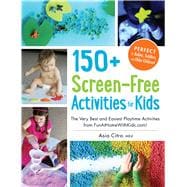
    1. 150+ Screen-Free Activities for Kids

    150+ Screen-Free Activities for Kids

    150+ Screen-Free Activities for Kids

    by Knetbooks.com

    $18.88

    Check Price →

    2. 150+ Screen-Free Activities for Kids

    150+ Screen-Free Activities for Kids

    150+ Screen-Free Activities for Kids

    by BiggerBooks.com

    $13.39

    Check Price →

    3. 150+ Screen-Free Activities for Kids

    150+ Screen-Free Activities for Kids

    150+ Screen-Free Activities for Kids

    by eCampus.com

    $18.97

    Check Price →