Tag: credit score

  • How To Choose The Right Debt Consolidation Option

    How To Choose The Right Debt Consolidation Option

    You’re staring at a pile of credit card statements, and the math just isn’t adding up. Between the varying due dates, the different minimum payments, and those creeping interest rates that seem to climb every month, managing multiple debts can feel like a full-time job you never applied for. It’s exhausting. The good news is that you don’t have to keep playing this high-stakes game of musical chairs with your money.

    Debt consolidation isn’t a magic wand that makes the debt disappear, but it is a way to reorganize your obligations into a single, more manageable payment. The goal is simple: pay less interest and regain control of your monthly budget. However, the “right” way to do this depends entirely on your credit score, how much you owe, and your discipline with spending.

    Understanding your consolidation alternatives

    Before you sign any paperwork, you need to see the full landscape of your options. Not every strategy works for every person. Some methods require a high credit score to be effective, while others are designed for those who are already struggling to meet minimum payments.

    < p>Let’s break down the most common paths you might take.

    Personal Loans for debt restructuring

    A personal loan is one of the most popular routes. You take out a new loan with a fixed interest rate and use that lump sum to pay off your high-interest credit cards. This leaves you with one single monthly payment. If you have a decent credit score, you can often find the lowest APR available, which significantly reduces the total interest you pay over time.

    Balance transfer credit cards

    If your total debt is relatively small—say, under $5,000—a balance transfer card might be your best friend. These cards offer a 0% introductory APR for a set period, usually between 12 and 21 months. If you can aggressively pay down the balance before that promo period ends, you essentially stop interest from accruing entirely. However, if you don’0t pay it off in time, the interest rates can jump to 20% or higher very quickly.

    Debt management plans

    Unlike a loan, a debt management plan (DMP) is facilitated by a non-profit credit counseling agency. They work with your creditors to lower your interest rates and consolidate your payments into one monthly amount sent to the agency. This doesn’t involve taking out new credit, but it does require you to close your existing credit card accounts, which can temporarily impact your credit score.

    Comparing the costs and features

    Choosing a method requires looking past the monthly payment and examining the fine print. You need to compare the upfront fees against the long-term interest savings. A low monthly payment sounds great, but if the loan term is seven years long, you might end up paying more in total interest than you would have with your original credit cards.

    Here is a quick breakdown of how these common options typically compare:

    Option Typical APR Range Common Fees Best For
    Personal Loan 6% – 36% Origination fees (1% – 8%) Large amounts of debt; stable income
    Balance Transfer Card 0% (Intro) / 15% – 29% (Regular) Balance transfer fee (3% – 5%) Smaller debts; high credit scores
    Debt Management Plan Reduced rates (often 6% – 15%) Monthly setup/admin fees Those struggling with high-interest debt

    When you are searching for the best rates, always ask about the “origination fee” on personal loans. If a lender offers a 10% APR but charges a 6% fee upfront, your effective cost is much higher than it looks on the surface.

    How to evaluate your readiness

    Selecting an option is only half the battle. You also have to be certain that you can stick to the plan. Many people consolidate their debt, only to run up their credit card balances again because they haven’t addressed the underlying spending habits. This creates a “double debt” scenario that is much harder to escape.

    Ask yourself these three questions before committing:

    • Can I stop using my credit cards? If you consolidate your cards into a loan but continue to charge monthly groceries or dinners to those cards, you are just adding more weight to your financial burden.
    • ary

    • Do I have an emergency fund? If a car repair pops up, will you reach for the credit card you just paid off? Having even a small cushion of $1,000 can prevent a relapse into debt.
    • Does the math actually work? Always calculate the total cost of the new plan. Compare the total interest of your current situation against the total interest of the new loan or plan.

    The role of credit scores in your decision

    Your credit score acts as the gatekeeper for your options. If your score is above 690, you have access to the most competitive personal loans and balance transfer offers. If your score has dipped below 600, you may find that many traditional lenders will deny your application, or they may only offer high-interest products that don’t actually help you save money. In these cases, a debt management plan through a certified counselor is often a more sustainable path.

    Regulatory protections and what to watch for

    It is vital to remember that the financial industry is heavily regulated. Under the Truth in Lending Act (TILA), lenders are required to disclose the Annual Percentage Rate (APR) and the total finance charge in a clear, standardized format. Always look for this disclosure before signing anything.

    Watch out for “debt settlement” companies that promise to “wipe away” your debt for a fee. These companies often instruct you to stop paying your creditors, which can lead to lawsuits, destroyed credit, and massive tax implications. Legitimate debt consolidation is about restructuring what you owe, not simply ignoring the obligation.

    If you feel pressured by a lender to act immediately or if they make promises that seem too good to be true, trust your gut. A reputable lender will never pressure you to skip the fine print.

    Taking the next step toward financial freedom

    Deciding to consolidate is a huge step toward reclaiming your peace of mind. Whether you choose a balance transfer card to tackle a small balance or a personal loan to restructure a large one, the key is to act with a clear strategy and a commitment to changing your spending patterns.

    Start by gathering all your current statements. List every balance, every interest rate, and every minimum payment. Once you see the total number in black and white, you can begin shopping for the lowest APR options that fit your specific monthly budget. You don’t have to do this alone—reach out to a financial advisor or a non-profit credit counselor to help you weigh your specific numbers.

  • Best Personal Loan Rates Compared 2026

    Best Personal Loan Rates Compared 2026

    Finding a decent interest rate feels like a moving target lately. If you’ve been checking your banking app or scrolling through loan offers, you’ve probably noticed that the numbers change almost every week. As we move into 2026, the lending landscape has stabilized somewhat after the volatility of the previous years, but finding the best rates still requires a bit of legwork.

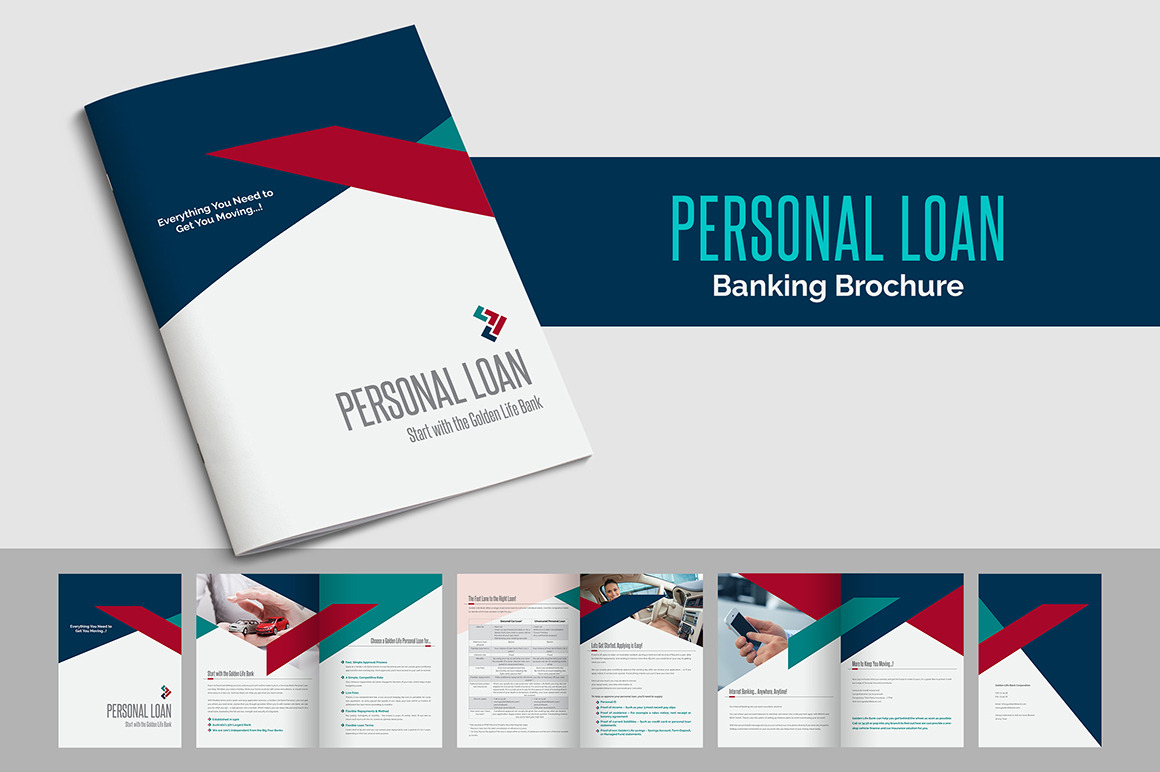
    Personal Loan - Banking Brochure by Vackground | Creative Market

    Whether you are looking to consolidate high-interest credit card debt or you just need a lump sum for home repairs, the difference between a 7% APR and a 14% APR can cost you thousands of dollars over the life of the loan. You don’t need to be a Wall Street expert to navigate this, but you do need to know which numbers to look at and which lenders are actually worth your time.

    What is driving personal loan rates in 2026?

    Interest rates on personal loans aren’t pulled out of thin air. They are heavily influenced by the Federal Reserve’s benchmark rates and the general health of the economy. Currently, lenders are pricing loans based on the risk they take on. If the economy shows signs of slowing down, banks might tighten their lending criteria, making it harder for anyone with a less-than-perfect credit score to snag a low rate.

    Inflation has also played a massive role. While we aren’t seeing the triple-digit inflation spikes of years past, the cost of borrowing remains higher than the “near-zero” era we experienced a decade ago. When you compare offers, you aren’t just looking at a single number; you are looking at how a lender perceives the current economic risk.

    The role of your credit score

    Your credit score is the single biggest factor in determining your APR. Lenders use it as a shorthand for how likely you are to pay them back. In 2026, the gap between “Excellent” and “Fair” credit is wider than ever.

    • 720 or higher: You can expect the most competitive, bottom-tier rates.
    • 660 to 719: You will likely see mid-range rates, often 4-6% higher than the lowest available.

    • 620 to 659: Options become limited, and you may encounter higher origination fees.
    • Below 600: Traditional personal loans are difficult to find; you might be looking at specialized, high-interest lenders.

    Comparing the top types of lenders

    Not all lenders operate the same way. Some are massive-scale online banks, while others are small, niche players. Each has a different “vibe” when it comes to fees and flexibility.

    Online lenders vs. Traditional banks

    Online lenders are usually the go-to for people who want speed. They often use automated underwriting, meaning you can get an approval decision in minutes. However, they sometimes charge higher rates to offset the lack of a physical branch. Traditional banks, on the other hand, might offer a lower rate if you already have a long-standing relationship with them, but their application process can feel much more manual and slow.

    Credit Unions: The hidden gems

    If you are a member of a credit union, always check there first. Because they are non-profit entities, they often provide much more competitive pricing and no annual fee structures that can save you money in the long run. They are also generally more willing to look at the “human” side of your finances rather than just a computer-generated score.

    Estimated APR ranges for 2026

    To give you a realistic idea of what to expect, I’ve put together a breakdown of current market averages. Keep in mind these are estimates; your actual offer will depend on your specific debt-to-income ratio and credit history.

    Credit Tier Estimated APR Range Typical Loan Terms
    Excellent (720+) 6.5% – 9.5% 24 – 60 Months
    Good (690-719) 10.0% – 15.0% 36 – 48 Months
    Fair (630-689) 16.0% – 24.0% 24 – 36 Months
    Poor (Below 629) 25.0% + Short-term only

    Watch out for these hidden costs

    A low interest rate is great, but it can be a trap if the lender hides other costs in the fine print. When you are reviewing your loan agreement, look closely at these three specific areas:

    1. Origination Fees: This is a fee taken directly out of your loan proceeds. If you borrow $10,000 but the lender has a 5% origination fee, you only receive $9,500 in your bank account, yet you still owe interest on the full $10,000.
    2. Prepayment Penalties: Some lenders punish you for being responsible. If you decide to pay off your loan early to save on interest, a prepayment penalty can wipe out those savings. Always look for a loan with no prepayment penalty.
    3. Late Payment Fees: While most lenders have standard late fees, some aggressive lenders might charge much higher amounts that compound quickly.

    Understanding the APR vs. Interest Rate

    This is a common point of confusion. The interest rate is the cost of borrowing the principal. The APR (Annual Percentage Rate) is the interest rate PLUS all the fees involved in getting the loan. When you compare different offers, always use the APR as your primary metric. It provides a much more honest look at the total cost of the debt.

    How to prepare for your application

    Before you start hitting the “apply” button, take a few days to clean up your financial profile. Small tweaks can lead to significantly better offers.

    First, check your credit report for errors. A single incorrectly reported late payment can bump you down an entire credit tier. Second, try to lower your credit utilization. If your credit cards are maxed out, paying them down even slightly can boost your score before the lender sees it.

    Finally, gather your documentation. Lenders in 2026 are increasingly using automated verification, but having your recent pay stubs, tax returns, and bank statements ready will prevent delays. It makes the process much smoother and shows the lender you are organized and serious about repayment.

    Final thoughts on finding the right loan

    There is no single “best” loan, only the best loan for your specific situation. If you need money by tomorrow, you might sacrifice a bit of interest for speed. If you are consolidating debt and can wait a week, you should shop around more aggressively to find the lowest possible APR.

    Take your time, read the fine print, and don’t be afraid to ask questions. You are the customer, and you have the power to walk away if the terms don’t make sense for your budget.

    Ready to see what you qualify for? Start by checking your credit score and then use a comparison tool to see real-time offers tailored to your profile.

    Our Top Picks

    Products we recommend:

    1. Best Buys, Ratios, and Rates

    Best Buys, Ratios, and Rates

    Best Buys, Ratios, and Rates

    by Knetbooks.com

    $31.06

    Check Price →

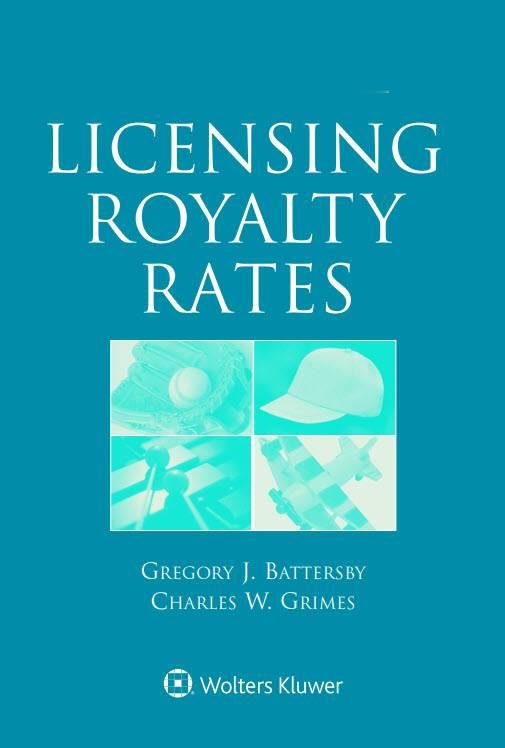
    2. Licensing Royalty Rates 2026 Edition

    Licensing Royalty Rates 2026 Edition

    Licensing Royalty Rates 2026 Edition

    by Wolters Kluwer Law & Business

    $1584.00

    Check Price →

    3. Personal Best

    Personal Best

    Personal Best

    by Rough Trade

    $12.99

    Check Price →