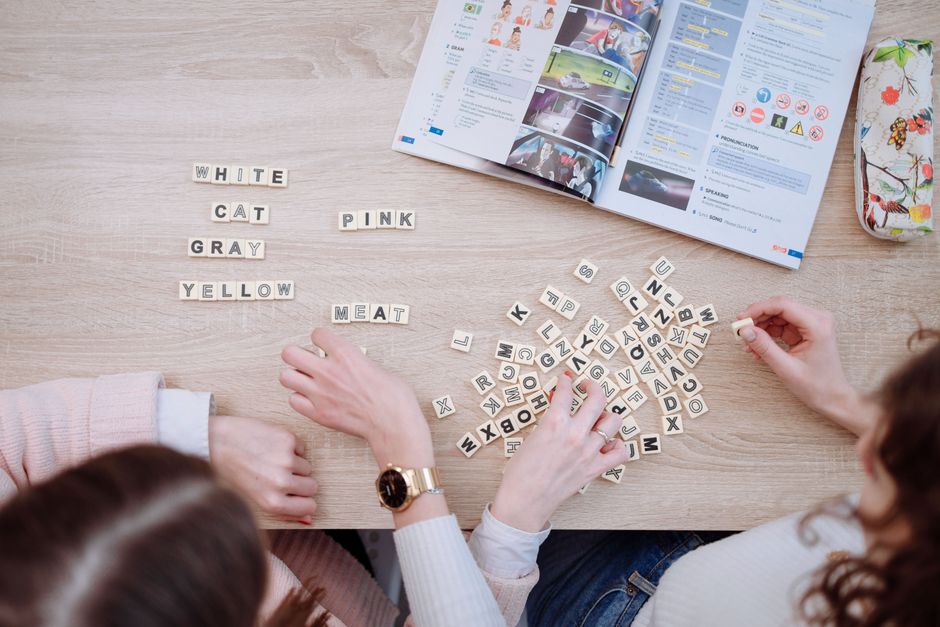
I remember sitting at the kitchen table as a kid, squinting at a grid of letters, trying to find that one elusive word like “giraffe” or “ocean.” At the time, it just felt like a way to pass the time while waiting for dinner. I didn’t realize that my brain was actually doing some heavy lifting. Looking back, those little grids were more than just a distraction; they were tiny training sessions for my literacy skills.
If you are looking for ways to boost your child’s reading skills without it feeling like extra homework, word searches might be your secret weapon. While they look simple, there is a lot of cognitive work happening under the surface. Let’s talk about how these puzzles actually function as a learning tool and how you can use them effectively at home.
The Brain Science Behind Letter Hunting
When a child looks at a word search, they aren”t just scanning for patterns; they are engaging in a complex visual process. To find a word, the brain has to perform several tasks simultaneously. First, the child must hold the target word in their working memory. Then, they scan the grid letter by letter, comparing what they see to the letters they are looking for.
This repetitive scanning helps with something called visual discrimination. This is the ability to see the subtle differences between letters like ‘b’ and ‘d’ or ‘p’ and ‘q’. For younger learners, this skill is a fundamental building block of reading. If a child can distinguish these shapes in a crowded grid, they are much more likely to recognize them correctly in a sentence.
Building Word Recognition Speed
Reading fluency depends heavily on how quickly a person can recognize a word without having to sound it out letter by letter. Word searches encourage “sight reading.” Because the words are hidden among distractions, children learn to recognize the overall shape and sequence of a word very quickly. As they find “apple” ten times in different puzzles, that word becomes part of their instant recognition vocabulary.
Strengthening Spelling Accuracy
Spelling is often one of the hardest parts of writing for kids. Word searches provide a low-pressure way to practice. Since the correct spelling is right there in the grid, they aren’t guessing; they are verifying. This repetitive exposure to the correct order of letters reinforces muscle memory for the eyes and the brain, making it easier to recall those patterns when they sit down to write an essay later.
Developmental Benefits Beyond Literacy
While vocabulary is the star of the show, word searches offer several other developmental perks. It isn’t just about learning new words; it’s about how the brain processes information.
- Focus and Attention Span: Finding a hidden word requires sustained attention. In an era of quick-fire digital clips, sitting with a single page for ten minutes is great practice for concentration.
- Pattern Recognition: The ability to spot sequences and patterns is a foundational skill for math and logic as well as reading.
- Problem-Solving Skills: Deciding whether to look horizontally, vertically, or diagonally teaches kids to try different strategies when they hit a wall.
- Stress Reduction: For many children, puzzles act as a “flow” activity, helping them relax and decompress after a long school day.
undirected
Choosing the Right Level for Your Child
Not all word searches are created equal. Using a puzzle that is too hard can lead to frustration, while one that is too easy might result in boredom. You want to find that “sweet spot” of challenge.
Toddlers and Preschoolers
For the very youngest learners, traditional word searches might be too overwhelming. Instead, look for activities that are best for toddlers involving simple letter matching or finding single letters within a group. At this age, focus on uppercase and lowercase recognition rather than complex words.
Early Elementary (Ages 5-7)
At this stage, keep the grids small and the words short (3-5 letters). Avoid diagonal or backward words entirely. The goal here is to build confidence. Use themes they love, such as animals, colors, or space, to keep them engaged.
Older Children (Ages 8+)
Once they have mastered the basics, you can introduce more complex structures. This is when you can include diagonal words, overlapping letters, and much longer vocabulary lists. You might even try “themed” searches that introduce science or history terms to expand their academic vocabulary.
Safety and Environment: Creating a Learning Space
When introducing puzzles, think about the setting. While there isn’t a huge difference between indoor vs outdoor learning for word searches, the environment matters for focus. A quiet corner of the living room or a well-lit desk is usually best to prevent eye strain.
Safety-wise, if you are using physical puzzle books, just ensure they are age appropriate and do not contain any content that might be confusing or scary. If your child is using a tablet for digital puzzles, always supervise screen time to ensure they aren’t clicking on distracting ads or navigating away from the educational content.
Practical Tips for Parents
If you want to turn a simple puzzle into a full-blown learning session, try these small tweaks:
- The Definition Game: Once they find a word, ask them if they know what it means. If not, look it up together in a dictionary. This turns a visual task into a linguistic one.
- Use a Highlighter: Let them use bright highlighters. It makes the “win” feel more tangible and visually rewarding.
- Create Your Own: For older kids, have them create a word search for you! Designing the grid requires them to think about spelling and word selection, which is an even higher level of cognitive engagement.
Learning doesn’t always have to feel like a chore. Sometimes, the best way to grow a child’s mind is through a simple game that feels like play. Next time you have a rainy afternoon or a quiet moment during travel, grab a puzzle book and see where it takes them.
Ready to boost your child’s vocabulary? Check out our collection of themed word search printables designed specifically for different age groups to keep learning fun and engaging!