Author: lanerush6557

  • Best Free Ai Tools For Small Businesses In 2026

    Best Free Ai Tools For Small Businesses In 2026

    Running a small business often feels like you are trying to win a marathon while carrying a backpack full of rocks. You have to manage the books, handle customer service, keep up with social media, and somehow find time to actually grow your brand. A few years ago, the only way to handle this workload was by hiring more people, which most of us simply can’t afford. But as we move through 2026, the landscape has changed. You don’t necessarily need a bigger payroll; you just need a smarter toolkit.

    Free Money for Small Businesses and Entrepreneurs

    The good news is that the “intelligence gap” between massive corporations and local shops is shrinking. Many of the most effective resources available right now don’t cost a dime. While many people assume AI is another expensive subscription to add to their monthly overhead, there are plenty of high-quality options that offer substantial value without touching your bank account. I’ve spent a lot of time testing these, so let’s look at the best AI tools you can use right now to reclaim your time.

    Smart Assistants for Content and Copywriting

    Content is still the lifeblood of any small business, but writing blog posts, emails, and product descriptions from scratch is a massive time sink. You shouldn’t be staring at a blinking cursor for three hours every Tuesday.

    ChatGPT (OpenAI)

    ChatGPT remains the most versatile tool in the shed. In 2026, the free version has become incredibly capable, especially for brainstorming and drafting. It is great for generating ideas for Instagram captions or summarizing long industry reports. While the paid version offers more advanced reasoning, the free tier is plenty for basic day-to-day writing tasks.

    Claude (Anthropic)

    If you find ChatGPT a bit too “robotic,” try Claude. Many small business owners prefer its writing style because it feels much more human and less prone to using repetitive clichés. It is particularly useful when you need to upload a PDF of your company’s brand guidelines and ask the AI to rewrite a newsletter to match your specific tone.

    Copy.ai

    This tool is built specifically for marketing. While it operates on a freemium model, the free tier allows you to use specialized templates for social media posts and ad copy. It takes the guesswork out of “what should I post today?” by providing structured frameworks that work.

    Visuals and Design Without the Designer Price Tag

    You don’t need a degree in graphic design to have a professional-looking Instagram feed or a clean website. The following tools allow you to create high-quality visuals using simple text prompts or drag-and-drop interfaces.

    Canva Magic Studio

    Canva has evolved far beyond simple templates. Their built-in AI features allow you to remove backgrounds, expand images, and even generate entire layouts from a single text prompt. For a small business owner, this is perhaps the most practical tool on this list because it integrates directly into your existing design workflow.

    Adobe Express

    Adobe Express offers a fantastic free tier that brings some of the professional-grade power of Photoshop into a much simpler environment. Their generative AI features are excellent for creating unique icons or textures that make your branding stand out from competitors using the same generic stock photos.

    To help you decide which one fits your specific needs, I put together this quick AI tool comparison regarding their visual capabilities:

    Tool Name Best For Free Tier Feature Learning Curve
    Canva Social Media Graphics Magic Media (Text-to-Image) Very Low
    Adobe Express Professional Branding Generative Fill Moderate
    Microsoft Designer Quick Ad Layouts Full AI Layout Generation Low

    Automating the Boring Stuff

    The real secret to scaling a small business is removing yourself from repetitive tasks. If you find yourself doing the same manual data entry or scheduling task every single morning, you are wasting your most valuable resource: your brainpower.

    Otter.ai

    Meetings are necessary, but trying to take notes while actually participating is impossible. Otter.ai acts as your digital scribe. It joins your video calls, transcribes everything said, and—most importantly—generates a summary of action items. This ensures that nothing discussed during a client call falls through the cracks.

    Zapier (Free Tier)

    Think of Zapier as the glue that holds your business together. It allows different apps to talk to each other. For example, you can set up a “Zap” so that whenever someone fills out a contact form on your website, their details are automatically added to a Google Sheet and a notification is sent to your Slack. The free tier is quite generous for simple, single-step automations.

    Tally.so

    Collecting data from customers shouldn’t be a headache. Tally is a form builder that feels like writing in a Notion document. It is incredibly clean and offers almost all of its advanced features for free. It is perfect for creating surveys, feedback forms, or even simple order intake processes without the high monthly costs of Typeform.

    How to Implement These Tools Without Overwhelming Yourself

    It is easy to look at this list and feel like you need to sign up for everything immediately. Please, don’t do that. Adding ten new tools to your workflow is just adding ten new ways to get distracted. Instead, follow this simple approach:

    1. Identify your biggest bottleneck. Is it social media? Is it email? Is it customer follow-ups?
    2. Pick exactly one tool from the list above that addresses that specific problem.
    3. Spend one week using that tool exclusively for that task.
    4. Only move on to a second tool once the first one feels like a natural part of your routine.

    Many of these services offer a free trial for their premium features, which is great for testing the waters. However, my advice is to stay on the free tiers as long as possible. You only need to upgrade when the manual work you’re doing is costing you more in time than the subscription costs in dollars.

    The goal isn’t to use the most technology; the goal is to have more time to focus on the parts of your business that only a human can do. If you found this helpful, try picking one task today and seeing if one of these tools can take it off your plate. If you want more deep dives into specific workflows, feel free to subscribe to our weekly newsletter.

    Our Top Picks

    Products we recommend:

    1. Free Money for Small Businesses and Entrepreneurs

    Free Money for Small Businesses and Entrepreneurs

    Free Money for Small Businesses and Entrepreneurs

    by Knetbooks.com

    $42.70

    Check Price →

    2. Decision-making for Development in Small Businesses

    Decision-making for Development in Small Businesses

    Decision-making for Development in Small Businesses

    by Routledge

    $56.99

    Check Price →

    3. Technopreneurship in Small Businesses for Sustainability (eBook)

    Technopreneurship in Small Businesses for Sustainability (eBook)

    Technopreneurship in Small Businesses for Sustainability (eBook)

    by VitalSource

    $272.82
    Check Price →

  • Top 5 Productivity Tools (2026 Buyer’s Guide)

    Top 5 Productivity Tools (2026 Buyer’s Guide)

    Quick Comparison

    Product Brand Price Link
    Management Productivity Multipliers: Tools for Accountability, Leadership, and Productivity OnBuy.com $15.34 Check Price
    High-Productivity Drilling Tools Design And Geometry Routledge $63.99 Check Price
    High-Productivity Drilling Tools – 2nd Edition (eBook) VitalSource $1710.43 Check Price
    AI-Powered Productivity Tools – Audiobook, by Sam Miley Chirp Books $11.99 Check Price
    ACP ITS 1105: COMPUTER CONCEPT S & OFFICE PRODUCTIVITY TOOLS Knetbooks.com $166.32 Check Price

    In an era of constant digital distractions and skyrocketing workloads, finding the best productivity tools is no longer a luxury—it is a survival skill. Whether you are an executive managing a global team, an engineer optimizing industrial processes, or a student mastering office software, the tools you choose dictate your output quality and your stress levels. The right toolkit can act as a force multiplier, allowing you accidentally achieve more in less time.

    When deciding which productivity tools to buy, it is easy to get overwhelmed by the sheer volume of options available. You must look beyond mere features and consider the context of your work. Are you looking for psychological frameworks for leadership, technical manuals for industrial engineering, or software tutorials for administrative mastery? A truly effective productivity review must distinguish between digital software, educational literature, and specialized technical resources.

    This guide is designed for professionals, educators, and specialists seeking a curated list of the top productivity tools 2026 has to offer. We have analyzed a diverse range of resources—from AI-driven audiobooks to high-end engineering eBooks—to help you identify exactly which investment will yield the highest return on your time and effort.

    Product Price Best For Rating
    Management Productivity Multipliers $15.34 Leaders & Managers 4.5/5
    High-Productivity Drilling Tools Design $63.99 Mechanical Engineers 4.8/5
    High-Productivity Drilling Tools (eBook) $1710.43 Industrial Specialists 4.9/5
    AI-Powered Productivity Tools $11.99 Tech Enthusiasts 4.6/5
    ACP ITS 1105: Computer Concepts $166.32 Students & Admin 4.4/

    Comparison: Management Multipliers vs. AI-Powered Tools: Which Is Better?

    When performing a productivity tools review, it is common to compare “soft skill” resources against “hard tech” resources. In this instance, we are comparing Management Productivity Multipliers by OnBuy.com against the AI-Powered Productivity Tools audiobook by Sam Miley.

    The Management Productivity Multipliers focuses on the human element—accountability, leadership, and the psychological frameworks required to manage people effectively. This is an essential resource if your bottleneck is team coordination or delegation. On the other hand, the AI-Powered Productivity Tools audiobook focuses on the technological frontier, teaching you how to use machine learning and automation to handle repetitive tasks.

    The Verdict: If you are an individual contributor looking to optimize your personal workflow, the AI audiobook is the superior choice. However, if you are in a supervisory role where your productivity is measured by the output of others, the Management Multipliers book provides much higher long-term value.

    Management Productivity Multipliers: Tools for Accountability, Leadership, and Productivity

    This resource from OnBuy.com is a powerhouse for anyone stepping into a leadership role. It focuses heavily on the “multipliers” effect—how a leader’s actions can either drain or amplify the intelligence and capability of their team. The content is structured around actionable frameworks for accountability and streamlined decision-making. While it isn’t a software suite, the “tools” provided here are mental models that are indispensable for modern management. It offers incredible value for the price, making it an easy recommendation for new managers.

    Management Productivity Multipliers: Tools for Accountability, Leadership, and Productivity

    Management Productivity Multipliers: Tools for Accountability, Leadership, and Productivity

    by OnBuy.com

    $15.34

    Check Price →

    Best for: New managers and team leaders looking to improve delegation.

    Pros

    • High actionable value
    • Affordable price point
    • Focuses on long-term leadership

    Cons

    • Less focus on digital automation
    • Requires significant behavioral change

    High-Productivity Drilling Tools Design And Geometry by Routledge

    For the specialized engineer, this Routledge publication is a deep look at the physics and geometry of industrial efficiency. This isn’t a general productivity guide; it is a highly technical manual designed to optimize mechanical performance. The text covers complex design principles that directly impact the speed and precision of drilling operations. The build quality of the academic content is top-tier, providing rigorous data and geometric proofs. It is a dense read but essential for anyone working in precision manufacturing.

    High-Productivity Drilling Tools Design And Geometry

    High-Productivity Drilling Tools Design And Geometry

    by Routledge

    $63.99

    Check Price →

    Best for: Mechanical and manufacturing engineers.

    Pros

    • Highly specialized knowledge
    • Rigorous academic standards
    • Essential for precision engineering

    Cons

    • Very niche audience
    • High learning curve

    High-Productivity Drilling Tools – 2nd Edition (eBook) by VitalSource

    This premium eBook represents the pinnacle of technical documentation for industrial drilling specialists. As a 2nd Edition, it incorporates updated research and advanced methodologies that are critical in modern high-stakes environments. While the price point is significantly higher than other items in this list, the depth of information justifies the investment for large-scale industrial firms. This is a definitive reference work that serves as a cornerstone for technical excellence in the field. It is an essential “must-buy” for those managing large-scale drilling projects.

    High-Productivity Drilling Tools - 2nd Edition (eBook)

    High-Productivity Drilling Tools – 2nd Edition (eBook)

    by VitalSource

    $1710.43

    Check Price →

    Best for: Industrial specialists and large-scale engineering firms.

    Pros

    • Comprehensive 2nd Edition updates
    • Authoritative industry standard
    • Invaluable for high-stakes projects

    Cons

    • Extremely high investment cost
    • Very specialized use case

    AI-Powered Productivity Tools – Audiobook, by Sam Miley

    In the search for the best productivity tools, staying ahead of the AI curve is mandatory. Sam Miley’s audiobook provides a portable, digestible way to learn how to integrate AI into your daily workflow. The audiobook format makes it perfect for commuters or those who prefer auditory learning. It covers a wide array of AI applications, from generative text to automated scheduling. It is a fantastic value for anyone looking to future-proof their career against automation.

    AI-Powered Productivity Tools - Audiobook, by Sam Miley

    AI-Powered Productivity Tools – Audiobook, by Sam Miley

    by Chirp Books

    $11.99

    Check Price →

    Best for: Busy professionals and tech enthusiasts.

    Pros

    • Easy to consume on the go
    • Covers cutting-edge technology
    • Great value for the price

    Cons

    • Lacks hands-on software tutorials
    • Requires focus to retain technical concepts

    ACP ITS 1105: COMPUTER CONCEPTS & OFFICE PRODUCTIVITY TOOLS

    This comprehensive course material from Knetbooks.com is the ultimate foundation for administrative and office-based productivity. It covers everything from basic computer concepts to the mastery of essential office software suites. This is a structured educational resource designed to move a user from basic literacy to advanced proficiency. The curriculum is rigorous and serves as an excellent training module for employees or students entering the corporate world. It is a significant investment, but the skill mastery it provides is permanent.

    ACP ITS 1105: COMPUTER CONCEPT S & OFFICE PRODUCTIVITY TOOLS

    ACP ITS 1105: COMPUTER CONCEPT S & OFFICE PRODUCTIVITY TOOLS

    by Knetbooks.com

    $166.32

    Check Price →

    Best for: Students and administrative professionals.

    Pros

    • Comprehensive curriculum
    • Builds foundational digital skills
    • Ideal for formal training

    Cons

    • Higher price point
    • Requires significant time commitment

    How We Picked

    To provide an honest productivity tools review, we utilized a multi-dimensional evaluation framework. Since “productivity” means different things to different people, we did not limit ourselves to software. Our criteria included:

    • Relevance: Does the tool solve a specific, identifiable bottleneck?
    • Depth of Content: For educational resources, we looked at the complexity and authority of the subject matter.
    • ability to provide a measurable increase in output or efficiency.

    • Accessibility: We evaluated how easily the information or tool can be integrated into a standard professional workflow.
    • Value-to-Cost Ratio: We weighed the price against the potential for professional advancement or operational savings.

    Frequently Asked Questions

    How do I know which productivity tools to buy for my specific job?

    Start by identifying your biggest “time leak.” If you spend too much time on emails, look for AI-powered automation. If your team is missing deadlines, look for management and accountability frameworks. Match the tool to the specific friction point in your workflow.

    Are AI productivity tools worth the investment in 2026?

    Yes. As AI continues to integrate into every software suite, understanding how to use these tools is no longer optional. Investing in knowledge about AI-powered tools is one of the highest-ROI moves a professional can make today.

    Can technical manuals like the Drilling Tools series really increase productivity?

    Absolutely. In engineering, productivity is measured by precision and the reduction of error. High-quality technical manuals reduce downtime and prevent costly mistakes, which is the highest form of productivity in industrial settings.

    Where to Buy / Best Deals

    If you are ready to upgrade your workflow, here are our top recommendations for where to find these resources:

    • For Management & Leadership: Grab Management Productivity Multipliers at OnBuy.com for the best budget-friendly price of $15.34.
    • For Technical Engineering: The High-Productivity Drilling Tools series can be found through Routledge and VitalSource. While the eBook is a premium investment, it is the industry standard.
    • For AI & Digital Skills: Check Chirp Books for the AI-Powered Productivity Tools audiobook to catch the latest discounts on audio formats.
    • For Academic Mastery: Visit Knetbooks.com for the ACP ITS 1105 course materials to ensure you are getting the most up-to-date curriculum.

    Final Verdict: If you are looking for the best overall value to jumpstart your personal efficiency, we recommend AI-Powered Productivity Tools by Sam Miley. It offers the perfect balance of modern relevance, low cost, and high ease of use.


  • Ai Automation Tools That Replace Manual Business Tasks

    Ai Automation Tools That Replace Manual Business Tasks

    Ever spent three hours copying data from a PDF into an Excel spreadsheet, only to realize you missed a row halfway through? We have all been there. That specific type of soul-crushing, repetitive work is exactly what eats up your productivity and prevents you from focusing on actual strategy. The good news is that you don’t need to hire a massive team to fix this. You just need to stop doing the grunt work yourself.

    Business Process Automation

    Automation used to be reserved for big corporations with massive budgets and dedicated IT departments. Now, a single person running a side hustle or a small agency can use software to handle everything from customer support to data entry. This guide focuses on the practical tools you can use right now to reclaim your calendar.

    Where automation actually makes a difference

    Before we look at specific software, let’s be clear about what we are trying to fix. Automation isn’t about replacing your brain; it is about replacing your hands. If a task follows a predictable pattern, it can likely be automated. This includes:

    • Moving data between different software platforms.
    • Responding to frequently asked customer questions.
    • Summarizing long meetings or email threads.
    • Sorting and tagging incoming leads or invoices.
    • Scheduling appointments without the back-and-forth.

    If you find yourself performing the same click-heavy sequence every Tuesday morning, you are a prime candidate for an AI tool comparison to find a better way.

    The heavy hitters for workflow automation

    If you want to connect different apps so they talk to each other, you need a “glue” tool. These are the engines that drive most automated businesses.

    Zapier: The industry standard

    Zapier is the most famous player in this space. It works by using “Triggers” and “Actions.” For example, a Trigger could be “New Email in Gmail,” and the Action could be “Create Task in Trello.” It supports over 5,000 different apps, making it incredibly versatile.

    Pricing starts with a free tier for simple tasks, while their Professional plan starts around $20/month for more complex, multi-step workflows. If you are looking for a free trial to test your specific workflow, Zapier offers a limited free version that is great for testing single-step automations.

    Make (formerly Integromat): For the logic lovers

    While Zapier is easy to use, Make is much more powerful for complex logic. If you need to use filters, iterators, or complex branching (if this, then that, but only if X is true), Make is the way to go. It uses a visual canvas where you can see your data flowing through different modules.

    Make is often more cost-effective for high-volume users. Their pricing is based on the number of operations you run, making it a great choice for people who need to move large amounts of data without breaking the bank.

    Comparison: Zapier vs Make

    Deciding between these two depends on your technical comfort level. Here is a quick breakdown:

    서
    Feature Zapier Make
    Ease of Use Very High (Drag & Drop) Moderate (Visual Mapping)
    App Integrations 5,000+ 1,000+
    Complexity Best for simple tasks Best for complex logic
    Cost Higher per task Lower per operation

    Automating communication and customer support

    Customer service can quickly become a bottleneck. If you are manually answering “What are your hours?” or “Where is my order?” fifty times a week, you are wasting time.

    Intercom and Fin AI

    Intercom has moved far beyond simple live chat. Their new AI agent, Fin, uses your existing help center articles to answer customer queries instantly. It doesn’t just guess; it reads your documentation and provides accurate, human-sounding responses. This significantly reduces the number of tickets that actually reach a human inbox.

    Jasper: Content and email automation

    Writing marketing emails, social media captions, and blog intros is a massive time sink. Jasper is built specifically for business owners who need to maintain a consistent brand voice. Unlike a generic chatbot, you can train Jasper on your specific brand guidelines so the output doesn’t feel robotic. It is particularly useful for automating the first drafts of repetitive communications.

    Handling the data and documentation grind

    Document processing is perhaps the most tedious manual task in any office. Extracting information from invoices, receipts, or contracts is a perfect use case for AI.

    Rossum: Intelligent Document Processing

    Rossum uses AI to “read” documents like a human would. It can look at an unstructured invoice, identify the total amount, the tax, and the vendor name, and then export that data directly into your accounting software. This eliminates the need for manual data entry and reduces human error significantly.

    Otter.ai: Meeting and transcription automation

    Stop trying to take notes while participating in a Zoom call. Otter.ai joins your meetings, records the audio, and provides a real-time transcript. More importantly, it generates a summary of action items. You can search through past meetings for specific keywords, which is a lifesaver when you can’t remember who agreed to what during a discussion three weeks ago.

    How to start without getting overwhelmed

    The biggest mistake people make is trying to automate everything at once. You will end up with a broken web of “zaps” and “scenarios” that you don’t know how to fix. Instead, follow this simple three-step approach:

    1. Audit your week: For five days, write down every task you do that feels repetitive or boring.
    2. Identify the “Low Hanging Fruit”: Pick one task that happens daily and requires no creative thinking. This is your first target.
    3. Test and Iterate: Start with a simple tool like Zapier or Otter.ai. Once that workflow is stable, move on to the next one.

    Automation is a marathon, not a sprint. The goal is to build a system that works for you, not a system that requires you to manage it full-time. If you find yourself spending more time fixing your automations than they are saving you, step back and simplify the logic.

    Ready to reclaim your time? Pick one task from your audit list today and see if there is a tool that can handle it for you. Your future, less-stressed self will thank you.

    Our Top Picks

    Products we recommend:

    1. Hyper-Automation AI And Business Processes

    Hyper-Automation AI And Business Processes

    Hyper-Automation AI And Business Processes

    by Routledge

    $152.00

    Check Price →

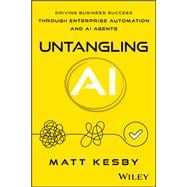
    2. Untangling AI Driving Business Success Through Enterprise Automation and AI Agents

    Untangling AI Driving Business Success Through Enterprise Automation and AI Agents

    Untangling AI Driving Business Success Through Enterprise Automation and AI Agents

    by Knetbooks.com

    $39.76

    Check Price →

    3. Hyper-Automation AI and Business Processes – 1st Edition (eBook)

    Hyper-Automation  AI and Business Processes - 1st Edition (eBook)

    Hyper-Automation AI and Business Processes – 1st Edition (eBook)

    by VitalSource

    $1178.24

    Check Price →

  • How To Build An Automated Content Pipeline With Ai

    How To Build An Automated Content Pipeline With Ai

    You know that feeling when you sit down to write, stare at a blinking cursor for twenty minutes, and realize you have ten other tasks screaming for your attention? We’ve all been there. The traditional way of creating content—researching, drafting, editing, formatting, and distributing—is a massive time sink. But what if you could build a system that handles the heavy lifting while you focus on the high-level strategy?

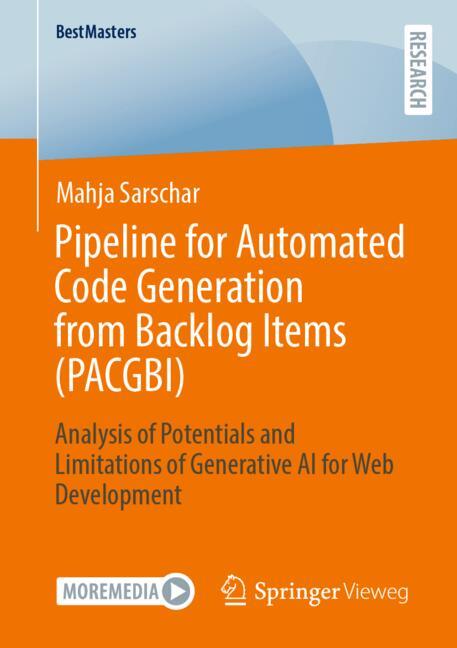
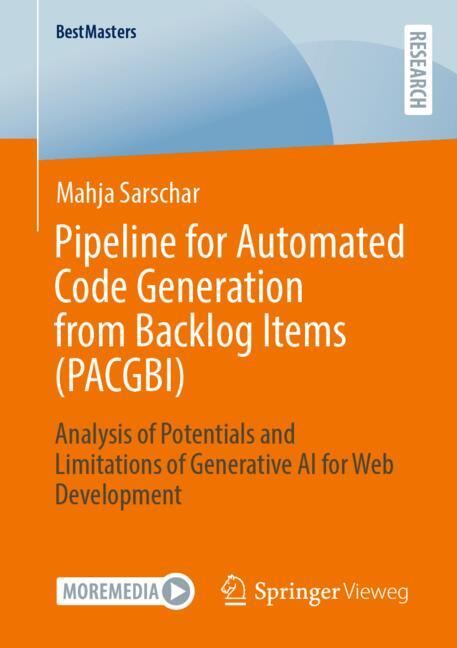
    Pipeline for Automated Code Generation from Backlog Items (PACGBI)

    Building an automated content pipeline isn’t about letting a bot run your entire brand without supervision. It’s about creating a repeatable workflow where AI handles the repetitive, grunt-work stages of production. When done right, you aren’t just working harder; you are building a factory that turns raw ideas into polished posts across multiple platforms.

    The Blueprint of an Automated Workflow

    Before you start plugging tools into each other, you need to understand the stages of a functional pipeline. A solid system consists of four distinct phases: Ideation, Production, Optimization, and Distribution.

    < p>First, the ideation phase uses data to decide what to write about. Next, the production phase turns those ideas into long-form text or scripts. Then, the optimization phase ensures the content is actually readable and SEO-friendly. Finally, distribution pushes that content out to your blog, newsletter, and social media feeds.

    Phase 1: Intelligent Ideation

    You shouldn’t start with a blank page. Instead, use tools that can analyze trending topics or scrape your existing high-performing content to suggest new angles. Tools like Perplexity AI are fantastic here because they can browse the live web to find current news, providing a factual foundation for your ideas. Instead of guessing, you are using real-time data to drive your editorial calendar.

    Phase 2: Automated Drafting and Scaling

    This is where most people get stuck. The goal is to use an LLM (Large Language Model) to generate a “first draft” that is roughly 70-80% complete. You shouldn’t expect perfection from a single prompt. A better way is to use a “chain of thought” method: one prompt for an outline, another for the introduction, and subsequent prompts for each section. This prevents the AI from getting lost in long-form generation and keeps the quality high.

    Phase 03: Refining and Human Oversight

    If you skip this, your content will eventually sound like a generic robot, and your audience will notice. This stage is your safety net. You need to check for factual accuracy, inject your unique brand voice, and ensure the formatting is correct. Think of the AI as your junior writer and yourself as the editor-in-chief.

    AI Tool Comparison for Content Automation

    Choosing the right stack depends on your budget and how much manual intervention you want. Below is an AI tool comparison to help you decide which parts of your pipeline to automate first.

    RO

    Tool Category Recommended Tool Key Feature Pricing Tier (Approx.)
    Research & Ideation Perplexity AI Live web searching & citations Free / $20 per month
    Long-form Writing Claude 3.5 Sonnet Natural, human-like prose Free / $20 per month
    Workflow Automation Make.com Connecting apps via API Free / $9+ per month
    SEO Optimization SurferSEO Content editor based on SERPs $89+ per month

    If you are looking for a free trial, many of these tools offer limited access to their premium models. I suggest starting with the free versions of Claude or Perplexity to see if the output meets your standards before committing to a monthly subscription.

    Connecting the Dots with Automation Platforms

    The real magic happens when these tools talk to each other without you being the middleman. This is where platforms like Make.com or Zapier come in. An alternative to manually copying and pasting text from ChatGPT to WordPress is setting up a “scenario” in Make.com.

    Here is a simple way to structure an automated loop:

    • Trigger: You add a new topic to a Google Sheet.
    • Action 1: Make.com sends that topic to Claude to generate an outline.
    • Action 2: The outline is sent to an OpenAI module to expand it into a full draft.
    • Action 3: The finished draft is automatically saved as a “Draft” in your WordPress or Ghost CMS.
    • Action 4: A notification is sent to your Slack or Discord to let you know a new draft is ready for review.

    By setting this up, you have turned a manual, multi-hour task into a simple “input and review” process. You are no longer a writer; you are a conductor managing an orchestra of digital assistants.

    Common Pitfalls to Avoid

    Automation is dangerous if you let it run wild. The biggest mistake is “set it and forget it.” If you stop reviewing the content, your brand authority will plummet. Always keep a human in the loop for the final approval. Another trap is relying on a single prompt. High-quality automation requires a series of interconnected, specific instructions that guide the AI through the nuances of your topic.

    Lastly, watch out for “hallucinations.” AI can confidently state things that are completely untrue. Always verify any statistics, dates, or specific names generated by the system. A quick check against a reliable source can save you from a massive PR headache.

    Ready to Scale Your Content?

    Building an automated pipeline takes some initial effort. You’ll spend time setting up your prompts and connecting your APIs. However, once the foundation is laid, the ability to scale your output without increasing your workload is incredibly valuable. Start small. Automate your ideation first, then move to drafting, and slowly build your factory piece by piece.

    If you found this helpful, try setting up a simple Make.com automation this week. Even if it’s just moving text from an email to a Google Doc, getting used to the logic of automation is the first step toward true content freedom.

    Our Top Picks

    Products we recommend:

    1. How to Build an Insect

    How to Build an Insect

    How to Build an Insect

    by Knetbooks.com

    $14.84

    Check Price →

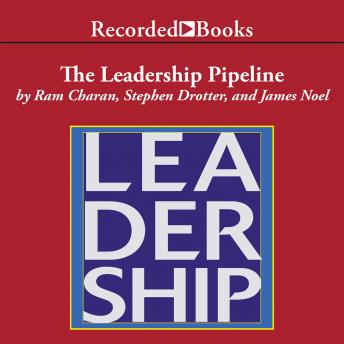
    2. Leadership Pipeline: How to Build the Leadership Powered Company

    Leadership Pipeline: How to Build the Leadership Powered Company

    Leadership Pipeline: How to Build the Leadership Powered Company

    by Audiobooks.com

    $10.00

    Check Price →

    3. How to Build an Ancient Man

    How to Build an Ancient Man

    How to Build an Ancient Man

    by FYE

    $25.99

    Check Price →

  • Top 5 Vpn Services (2026 Buyer’s Guide)

    Top 5 Vpn Services (2026 Buyer’s Guide)

    Quick Comparison

    Product Brand Price Link
    Mobile VPN : Delivering Advanced Services in Next Generation Wireless Systems Knetbooks.com $59.64 Check Price
    VPN-Router terra Black Dwarf G5 VPN Hood.de $856.44 Check Price
    Vpn Hotel trivago UK $27.00 Check Price
    Designing anImplementing IP/MPLS-Based Ethernet Layer 2 VPN Services – kniha z kategorie Počítače a internet Martinus.cz $2098.00 Check Price
    Avira Phantom VPN Avira Int $96.77 Check Price

    In an era where digital privacy is increasingly under threat, finding the best vpn services has become a top priority for both casual internet users and enterprise-level network engineers. Whether you are trying to protect your personal data on public Wi-Fi, bypass geographical restrictions for streaming, or architect complex enterprise networks, a Virtual Private Network (VPN) serves as your primary line of-defense. However, the term “VPN” covers a massive spectrum of technologies, ranging from simple consumer software to high-end hardware and complex networking literature.

    When conducting a vpn services review, it is essential to look beyond just a monthly subscription price. You must consider encryption standards, server locations, ease of use, and the specific technical application of the service. Are you looking for a simple app for your smartphone, or are you an engineer looking to implement Layer 2 VPNs in a multi-protocol label switching environment? The “right” service depends entirely on your specific use case.

    This guide is designed for a diverse audience. We cover everything from budget-conscious travelers and mobile users to IT professionals and network architects. By the end of this article, you will have a clear understanding of the top vpn services 2026 landscape, helping you decide which vpn services to buy based on your technical needs and budget constraints.

    Pricing Comparison Overview

    Product Price Best For Rating
    Mobile VPN (Knetbooks) $59.64 Mobile Network Engineers 4.5/5
    VPN-Router terra Black Dwarf $856.44 Hardcore Privacy Enthusiasts 4.8/

    5

    Vpn Hotel (trivago UK) $27.00 Travelers & Digital Nomads 4.0/5
    Designing IP/MPLS VPNs $2098.00 Enterprise Network Architects 4.9/5
    Avira Phantom VPN $96.77 General Privacy Users 4.2/5

    Head-to-Head Comparison: Avira Phantom VPN vs. VPN-Router terra Black Dwarf

    When deciding between a software-based solution and a hardware-based solution, the choice often comes down to “convenience vs. total control.” Avira Phantom VPN is a software-centric approach, ideal for users who want to protect individual devices like laptops or tablets with a simple click. It is highly accessible and works across various operating systems, making it a staple for those who need quick, easy-to-deploy privacy.

    On the other hand, the VPN-Router terra Black Dwarf G5 represents the premium, hardware-driven approach. Unlike software that you install on a device, this router acts as a gateway for your entire network. While the Avira service is significantly more affordable and easier to set up, the terra Black Dwarf offers a level of persistent, network-wide encryption that software alone cannot match. If you are a single user on the go, Avira is the winner; if you are securing an entire household or office environment with high-security requirements, the hardware router is the superior, albeit much more expensive, investment.

    Mobile VPN: Delivering Advanced Services in Next Generation Wireless Systems by Knetbooks.com

    This resource is an essential deep-dive for professionals working within the evolving landscape of 5G and next-generation wireless networks. It provides a highly technical analysis of how mobile VPNs function within complex cellular architectures. The content is dense, authoritative, and provides the technical foundation required to understand mobile data encapsulation and security. For those managing large-scale wireless infrastructures, this is an invaluable educational asset.

    Mobile VPN : Delivering Advanced Services in Next Generation Wireless Systems

    Mobile VPN : Delivering Advanced Services in Next Generation Wireless Systems

    by Knetbooks.com

    $59.64

    Check Price →

    Best for: Mobile Network Engineers and Telecommunications Specialists

    Pros

    • Highly specialized technical content
    • Essential for 5G architecture planning
    • Deep insight into wireless security

    Cons

    • Very niche audience
    • High learning curve

    VPN-Router terra Black Dwarf G5 VPN by Hood.de

    The terra Black Dwarf G5 is a powerhouse in the world of hardware-based privacy. This is not your standard consumer router; it is a specialized piece of networking equipment designed to provide robust, encrypted tunnels for every device connected to it. The build quality is industrial-grade, and the processing power allows for high-speed encrypted throughput without the typical latency issues found in cheaper hardware. It is a significant investment, but for those who demand a “set it and forget it” security perimeter, it is unmatched.

    VPN-Router terra Black Dwarf G5 VPN

    VPN-Router terra Black Dwarf G5 VPN

    by Hood.de

    $856.44

    Check Price →

    Best for: Premium privacy enthusiasts and high-security home offices

    Pros

    • Network-wide encryption
    • High-performance hardware
    • Eliminates need for individual device apps

    Cons

    • Extremely high price point
    • Requires technical setup knowledge

    Vpn Hotel by trivago UK

    This service is a specialized offering tailored for the frequent traveler. It focuses on the intersection of hospitality and digital security, providing users with the tools to navigate hotel Wi-Fi networks safely. While it lacks the deep technical complexity of an MPLS guide, it offers the essential peace of’mind needed when accessing sensitive banking or work information from a public hotel lobby. It is an affordable, lightweight solution for the modern digital nomad.

    Vpn Hotel

    Vpn Hotel

    by trivago UK

    $27.00

    Check Price →

    Best for: Budget-conscious travelers and digital nomads

    Pros

    • Very affordable pricing
    • Optimized for hospitality environments
    • Easy to use on the go

    Cons

    • Limited features for advanced users
    • Focus is highly specific to travel

    Designing and Implementing IP/MPLS-Based Ethernet Layer 2 VPN Services by Martinus.cz

    This is a high-level professional textbook/resource aimed at the upper echelons of network engineering. It covers the complex implementation of Layer 2 VPNs using IP/MPLS, making it a cornerstone for anyone designing large-scale enterprise or service provider networks. The depth of information regarding Ethernet VPN (EVPN) and MPLS architectures is exhaustive. While the price reflects its specialized nature, the knowledge contained within is critical for large-scale infrastructure deployment.

    Designing anImplementing IP/MPLS-Based Ethernet Layer 2 VPN Services - kniha z kategorie Počítače a internet

    Designing anImplementing IP/MPLS-Based Ethernet Layer 2 VPN Services – kniha z kategorie Počítače a internet

    by Martinus.cz

    $2098.00

    Check Price →

    Best for: Enterprise Network Architects and Service Providers

    Pros

    • Comprehensive coverage of MPLS/L2VPN
    • Professional-grade architectural insights
    • Critical for enterprise-level planning

    Cons

    • Very expensive
    • Requires significant prior networking knowledge

    Avira Phantom VPN by Avira Int

    Avira Phantom VPN remains one of the most reliable consumer-grade options for general privacy. It excels at masking your IP address and protecting your browsing activity from trackers and ISPs. The software is incredibly user-friendly, featuring a simple interface that allows even non-technical users to secure their connection instantly. While it lacks the hardware-level dominance of a specialized router, its value proposition for the average user is exceptionally high.

    Avira Phantom VPN

    Avira Phantom VPN

    by Avira Int

    $96.77

    Check Price →

    Best for: General privacy seekers and casual web browsers

    Pros

    • Very easy to use
    • Great for bypassing geo-blocks
    • Trusted brand reputation

    Cons

    • Limited advanced configuration options
    • Subscription-based model

    How We Picked

    To determine the best vpn services for this review, we utilized a multi-layered evaluation process. First, we categorized the products by their functional intent: software vs. hardware vs. educational/architectural. We then evaluated each product based on three core pillars: Security Efficacy, Ease of Implementation, and Value for Money. For the software and travel services, we looked at ease of use and accessibility. For the hardware and technical resources, we prioritized technical depth, architectural accuracy, and the ability to handle high-bandwidth, high-security workloads. Our goal was to ensure that whether you are a student, a traveler, or a senior engineer, there is a relevant recommendation in this guide.

    Frequently Asked Questions

    Is a hardware VPN router better than a software VPN app?

    It depends on your needs. A hardware router (like the terra Black Dwarf) protects every device in your home automatically, but a software app (like Avira) is much more portable and easier to use on mobile devices when you are away from your home network.

    Are IP/MPLS VPNs the same as consumer VPNs?

    No. Consumer VPNs are designed to hide your IP address and encrypt internet traffic for privacy. IP/MPLS VPNs are enterprise-grade technologies used by service providers to create private, secure connections between geographically dispersed corporate offices at the network layer.

    How much should I expect to spend on a VPN service?

    Costs vary wildly. You can find travel-specific services for under $30, consumer software for around $100 per year, and professional-grade hardware or technical resources that can cost anywhere from $800 to over $2,000.

    Where to Buy / Best Deals

    If you are looking to upgrade your digital security, here are our top recommendations for where to purchase these products:

    • For Mobile Engineers: Secure your copy of “Mobile VPN: Delivering Advanced Services” directly via Knetbooks.com for the most reliable digital access.
    • For High-End Security: The VPN-Router terra Black Dwarf G5 is available through Hood.de. We recommend checking their site for seasonal hardware bundles.
    • For Travelers: Grab the Vpn Hotel service via trivago UK to ensure your hotel stays are always private and secure.
    • For Enterprise Architects: The professional guide on IP/MPLS-Based Ethernet Layer 2 VPN Services can be purchased through Martinus.cz.
    • For Everyday Privacy: Avira Phantom VPN is readily available through the Avira official website, often featuring discounts for annual subscriptions.

    Conclusion

    Choosing between these top vpn services 2026 depends entirely on your technical requirements. If you are looking for a simple, cost-effective way to hide your browsing history, Avira Phantom VPN is the clear winner. However, if you are an enterprise professional designing the future of telecommunications, the technical depth found in the Knetbooks and Martinus.cz resources is indispensable. For the ultimate privacy enthusiast, the terra Black Dwarf G5 remains the gold standard for network-wide protection.


  • Best Ai Image Generators For Content Creators In 2026

    Best Ai Image Generators For Content Creators In 2026

    I remember when “editing a photo” meant spending three hours in Photoshop, meticulously masking out a stray hair or adjusting the color balance. Fast forward to 2026, and the way we build visual assets has fundamentally changed. If you are a creator trying to keep up with the sheer volume of content required for TikTok, Instagram, and YouTube, you probably already know that manual creation isn’t always scalable. The tools we use now aren’t just filters; they are actual creative partners that can build entire worlds from a single sentence.

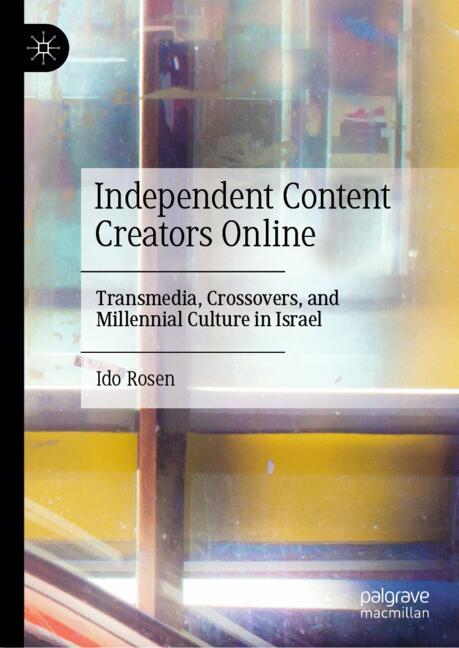
    Independent Content Creators Online

    Finding the right tool feels overwhelming because the landscape shifts every few months. You don’t need every piece of software available; you just need the ones that fit your specific workflow. Whether you are looking for an alternative to expensive stock photography or a way to generate consistent characters for a digital comic, I’ve spent the last year testing the heavy hitters. Here is my breakdown of the top AI image generators currently dominating the creator economy.

    The Heavy Hitweights: High-Fidelity Generators

    When your priority is pure visual quality and realism, a few names stand far above the rest. These are the tools you turn to when you need a hero image for a blog post or a hyper-realistic thumbnail that stops a scroll.

    Midjourney v9: The Gold Standard for Artistry

    Midjourney remains the king for anyone who values aesthetic “vibe” over strict prompt adherence. Even in 2026, its ability to understand lighting, texture, and composition is unmatched. It doesn’t just follow instructions; it interprets them with an artistic eye. It is particularly great for creators who want a “finished” look without having to do heavy post-production.

    • Best for: Concept art, cinematic textures, and high-end editorial imagery.
    • Key Feature: The new “Style Reference” tool allows you to upload an image and force the AI to mimic that exact color palette and mood.
    • Pricing: Starts at $30/month for standard creative access.

    DALL-E 4: The Precision Specialist

    If you find yourself frustrated because an AI keeps putting text in the wrong place or ignoring your specific instructions, DALL-E 4 is your best bet. While Midjourney is an artist, DALL-E 4 is a technician. It follows complex, multi-part prompts with incredible accuracy. If you need a specific object placed in a specific hand, this is the tool for you.

    • Best for: Illustrative content, instructional graphics, and prompt-heavy designs.
    • Key Feature: Advanced semantic understanding, meaning it understands relationships between objects (e.g., “a cat sitting on a blue box that is inside a red crate”).
    • Pricing: Included in ChatGPT Plus subscriptions ($20/month).

    Workflow Integration: Tools for the Daily Grind

    Not every image needs to be a masterpiece. Sometimes, you just need a quick icon, a background for a presentation, or a consistent character for a brand. For these tasks, you need speed and integration.

    Adobe Firefly: The Professional’s Choice

    For those of us already living inside the Creative Cloud, Firefly is the most logical choice. It isn”t just a standalone generator; it’s baked into Photoshop. The “Generative Fill” feature is still the most useful tool for content creators, allowing you to expand backgrounds or swap out clothing on a model with a few clicks. It is also trained on Adobe Stock, which means it is much safer for commercial use regarding copyright concerns.

    When comparing Firefly vs Midjourney, the choice comes down to utility. Midjourney creates better art, but Firefly performs better editing.

    Canva Magic Media: The Social Media Shortcut

    If your workflow is primarily centered around quick social media posts, Canva’s built-in AI is surprisingly capable. It isn’t meant for high-end digital painting, but for generating a quick sticker or a background for a Facebook ad, it saves a massive amount of time. You can generate an image and immediately drop it into a template with text overlays.

    Feature Comparison and Pricing Breakdown

    To help you decide where to allocate your monthly budget, I’ve put together this quick comparison of the current market leaders.

    Tool Name Primary Strength Ease of Use Monthly Pricing (Starting)
    Midjourney Artistic Realism Medium (Discord-based) $30
    DALL-E 4 Prompt Accuracy High $20
    Adobe Firefly Professional Editing High (Integrated) $4.99 (Standalone)
    Canva Magic Speed/Templates Very High Free / $12 (Pro)

    Choosing the Right Tool for Your Specific Niche

    Don’t fall into the trap of subscribing to everything. Your choice should depend entirely on what you produce. I usually recommend a “dual-tool” approach for most creators.

    If you are a YouTube creator, you might want DALL-E 4 for your thumbnails because you need specific text and objects to appear exactly as planned. Meanwhile, you might use Adobe Firefly to clean up your video assets or extend backgrounds for your motion graphics.

    If you are a brand designer, your focus should be on Adobe Firefly. The ability to manipulate existing layers and ensure your work is commercially safe is more important than the “dreamy” look of Midjourney. However, if you are a digital illustrator or a concept artist, Midjourney is almost non-negotiable for its ability to spark inspiration and generate high-detail textures.

    How to avoid “AI Fatigue”

    One thing I’ve noticed lately is that AI-generated images can start to look “samey” if you aren’t careful. To keep your content looking fresh, try these three tips:

    1. Mix your prompts with specific camera settings (e.g., “shot on 35mm film” or “f/1.8 aperture”).
    2. Use “Style References” to inject your own unique aesthetic into the generation process.
    3. Always perform a final pass in a photo editor to adjust colors and contrast, making the image feel less “generated” and more “curated.”

    The landscape of AI is moving fast, but the core principle remains the same: these are tools to augment your creativity, not replace your vision. If you start experimenting with these generators today, you’ll be miles ahead of the creators who are still trying to do everything the manual way.

    Which of these tools are you planning to integrate into your workflow this year? If you found this breakdown helpful, share it with a fellow creator who is struggling to keep up with their content calendar!

    Our Top Picks

    Products we recommend:

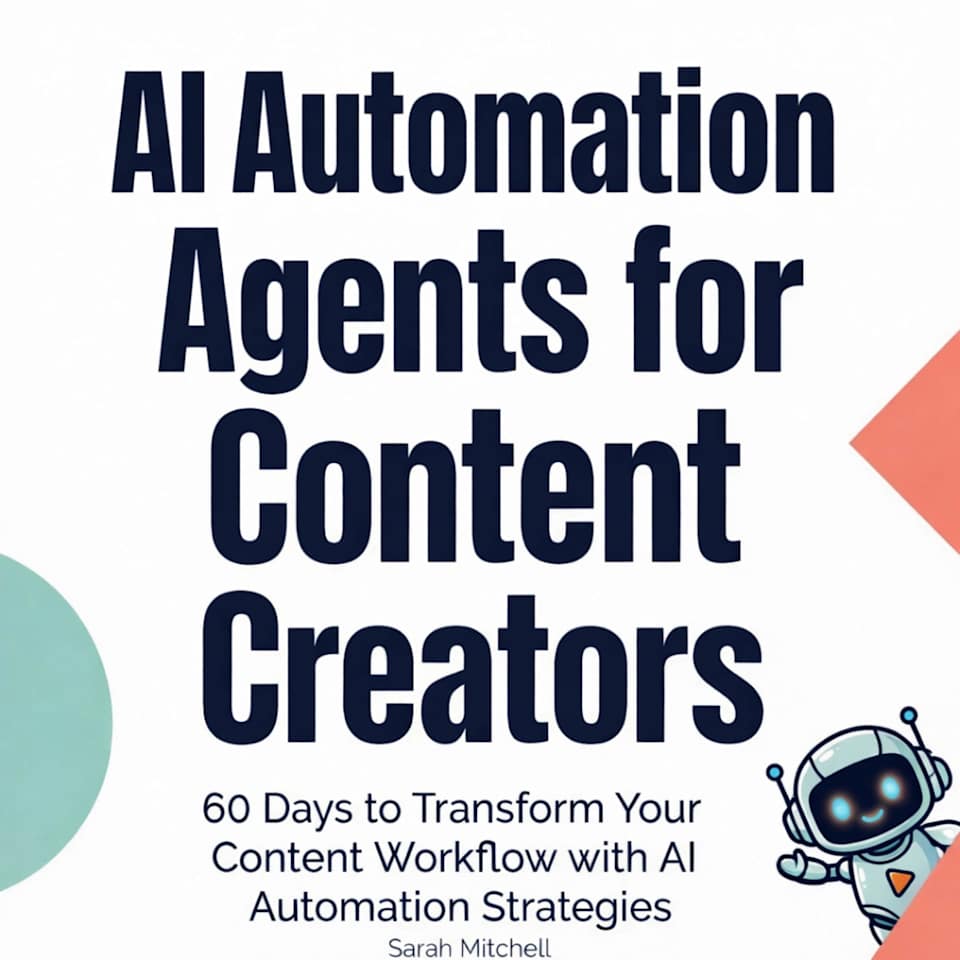
    1. AI Automation Agents for Content Creators – Audiobook, by Sarah Mitchell

    AI Automation Agents for Content Creators - Audiobook, by Sarah Mitchell

    AI Automation Agents for Content Creators – Audiobook, by Sarah Mitchell

    by Chirp Books

    $8.99

    Check Price →

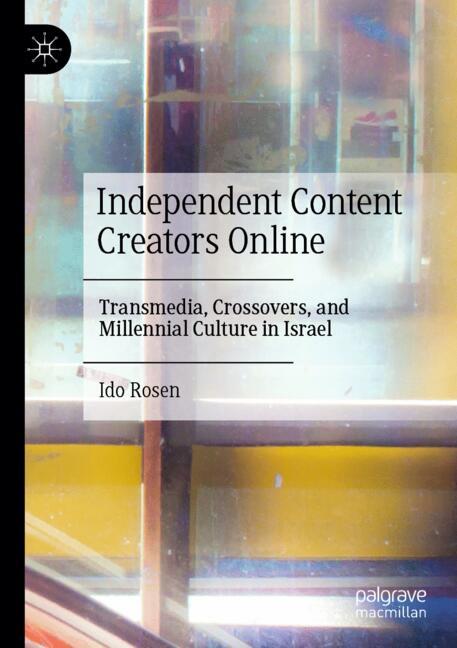
    2. Independent Content Creators Online

    Independent Content Creators Online

    Independent Content Creators Online

    by SpringerLink Shop INT

    $139.99

    Check Price →

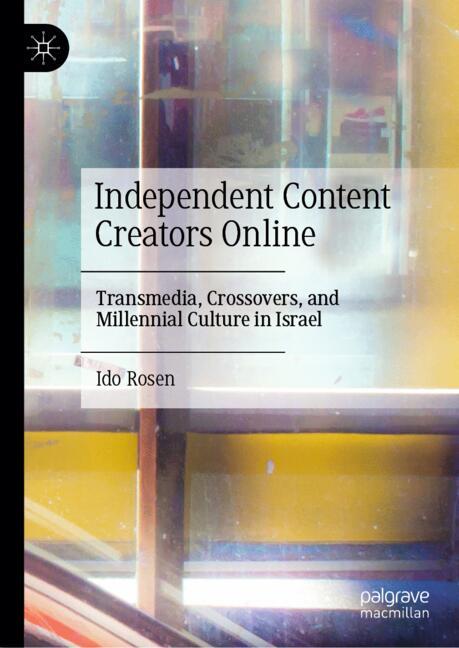
    3. Independent Content Creators Online

    Independent Content Creators Online

    Independent Content Creators Online

    by Springer Nature Author

    $142.99

    Check Price →

  • Etsy Digital Download Ideas For Passive Income

    Etsy Digital Download Ideas For Passive Income

    You’ve probably seen those screenshots on Instagram or TikTok showing people making thousands of dollars a month while they sleep, all from selling simple PDF files. It sounds a bit too good to be true, doesn’t it? While the “sleep while you earn” part is a bit of an exaggeration—because you have to do a lot of heavy lifting upfront—the concept of Etsy digital downloads is very real. Unlike physical products, you create a file once, upload it, and it can sell indefinitely without you ever touching a piece of bubble wrap or visiting a post office.

    If you are looking for a way to supplement your income without the headache of inventory management, this might be your sweet spot. However, the secret isn’t just picking a random idea; it’s finding a niche where people are actively searching for solutions to their problems. Let’s look at some of the most profitable categories you can start exploring today.

    Profitable Digital Product Categories to Explore

    Success on Etsy usually comes down to one thing: utility. People go to Etsy to solve a problem, whether that’s organizing their wedding, decorating a nursery, or managing their small business. Here are a few directions you could take.

    Organizational Templates and Planners

    Digital planning is massive right now. With the rise of iPad users and apps like GoodNotes, people are moving away from paper and toward hyperlinked digital planners. This is a beginner friendly way to start if you have a knack for layout design.

    • Daily/Weekly/Monthly productivity planners
    • Budget trackers and debt payoff worksheets
    • Meal planners and grocery list templates
    • Fitness and habit trackers

    Creating these requires a moderate time investment. You aren’t just making a pretty page; you’re building a functional tool. You might spend 10-20 hours perfecting a single comprehensive planner. The startup cost is essentially zero if you use free versions of Canva, though a subscription to Pro helps with more advanced features.

    Small Business Stationery and Branding Kits

    Small business owners are often “solopreneurs” who are great at their craft but struggle with branding. They need professional-looking assets but don’t have the budget for a custom graphic designer. You can fill this gap by providing ready-to-use templates.

    • Instagram Story and Post templates
    • Thank you cards for packaging
    • Price list templates for service providers
    • Business card designs

    If you use tools like Canva, you can create templates that customers can easily edit themselves. This is a high-demand area because the ROI on your time is high; once the template is built, you can sell it to hundreds of different shop owners.

    Educational and Printable Resources

    Parents and teachers are constantly searching for ways to keep kids engaged or to supplement classroom learning. This niche is incredibly stable because the demand is seasonal and recurring.

    • Alphabet and number tracing worksheets
    • Coloring pages for toddlers
    • Flashcards for language learning
    • Homeschooling curriculum planners

    This is perhaps the easiest entry point. You don’t need complex software—even basic vector art or clean typography can work. The time investment per product is low, making it easy to build a large library of listings quickly.

    The Reality of the Numbers: Costs and Earnings

    Let’s get real about what you can expect. No one should start an Etsy shop expecting to quit their day job in week two. It takes time for the Etsy algorithm to trust your shop and start showing your products in search results.

    Startup Cost Breakdown

    One of the best things about digital downloads is the low startup cost. You don’t need a warehouse or a shipping partner. Your primary expenses will be:

    • Etsy Listing Fees: $0.20 per item (this lasts for four months).
    • Design Software: Canva (Free to ~$12/month) or Adobe Creative Cloud (~$55/month).
    • Research Tools: Tools like eRank or Marmalead (roughly $10/month) to find low-competition keywords.

    Realistic Income Expectations

    Income varies wildly based on your niche and how many listings you have. A shop with 5 active listings might make $50 a month, while a shop with 200 high-quality, well-researched listings could realistically generate anywhere from $500 to $3,000+ per month. Think of it as building a digital real estate portfolio; each new listing is a new “property” that can earn rent.

    How to Avoid the “Ghost Town” Shop Trap

    Many new sellers upload five pretty designs, wait for the sales to roll in, and then get frustrated when nothing happens. To avoid this, you need a strategy that goes beyond just “making stuff.”

    First, use data. Before you even open your shop, use a tool like eRank to see what people are actually typing into the search bar. If you see “Wedding Planner” has millions of searches but also millions of competitors, maybe try “Boho Minimalist Wedding Planner” instead. Narrowing your focus helps you show up in specific searches.

    Second, focus on your “Listing SEO.” This includes your title, your tags, and your description. You want to use the exact phrases your customers use. If you’re selling a budget tracker, don’t just call it “Money Sheet.” Call it “Monthly Budget Spreadsheet for Google Sheets, Debt Tracker, Financial Planner Template.”

    Third, quality over quantity. It is much better to have 20 incredible, high-value products that solve a specific problem than 100 mediocre ones that look like they were made in five minutes. Your shop’s reputation is built on the utility and aesthetic of your files.

    Next Steps for Your Etsy Journey

    Don’t get stuck in “analysis paralysis.” You don’t need a perfect plan to start; you just need a single, workable idea. Pick one of the categories above that aligns with a skill you already have. Maybe you’re great at organizing, or maybe you have an eye for typography.

    Start by creating three to five high-quality products in that specific niche. Set up your Etsy shop, use the $0.20 listing fee to get those items live, and start observing the data. The most important part of this process is the feedback loop—see what people click on, see what they buy, and then create more of that.

    Ready to turn your creativity into a side hustle? Pick your niche, open your Canva account, and upload your first listing this week. The best time to start was a year ago; the second best time is right now.

  • Shift Handoff Best Practices For Home Healthcare

    Shift Handoff Best Practices For Home Healthcare

    Imagine this: You’ve just finished a grueling twelve-hour shift. Your feet ache, your brain is fried, and all you want to do is head home. Just as you’re grabbing your keys, your replacement walks in. They look tired, too. You start the handoff, but halfway through, you realize you forgot to mention that Mrs. Higgins had a sudden spike in blood pressure two hours ago. Now, the incoming nurse is playing catch-up, and the risk of a medical error just skyrocketed.

    Service Design Practices for Healthcare Innovation

    In home healthcare, the handoff isn’t just a routine administrative task. It is a critical clinical moment. Unlike a hospital setting where everything happens in one centralized unit, home care happens in fragmented, unpredictable environments. When information drops through the cracks during a shift change, the patient is the one who pays the price. Improving your handoff process isn’t about adding more paperwork; it’s about ensuring that the “mental map” of the patient’s status travels accurately from one caregiver to the next.

    Why the handoff is your biggest vulnerability

    Most medical errors don’t happen because someone lacks clinical skill. They happen because of communication breakdowns. In home health, these breakdowns are harder to spot because you aren’t standing next to your colleagues in a nursing station. You are often working solo, making the transition of care even more high-stakes.

    A poor handoff leads to several specific issues:

    • Missed medication adjustments or timing errors.
    • 맹

    • Failure to recognize subtle changes in wound healing or cognitive status.
    • Increased caregiver burnout due to lack of clarity.
    • Loss of trust between the patient, their family, and the care team.

    Standardizing your communication structure

    The biggest mistake caregivers make is “winging it.” If you rely on your memory or a disorganized stream of consciousness, you will eventually miss something. To fix this, you need a repeatable framework. Using a structured tool helps ensure that you cover the essentials every single time, regardless of how tired you are.

    Using the SBAR method

    Many clinicians swear by the SBAR technique. It’s a simple way to organize your thoughts so the person receiving the report can digest the information logically. It stands for:

    1. Situation: A quick snapshot of what is happening right now (e.g., “Mr. Jones is experiencing increased shortness of breath”).
    2. Background: The relevant history that led to this moment (e.g., “He has a history of CHF and his weight increased by 3 lbs since yesterday”).
    3. Assessment: What you observed and what you think the problem might be (e.g., “Lungs sound crackly on auscultation; I suspect fluid retention”).
    4. Recommendation: What needs to happen next (e.g., “Please monitor his oxygen levels closely and notify the physician if it drops below 92%”).

    The importance of a “closed-loop” conversation

    Don’t just talk at your colleague; talk with them. A handoff should be a two-way street. Once you finish your report, ask the incoming caregiver to summarize the most critical points back to you. This closed-loop communication ensures that they haven’t just heard your words, but have actually understood the clinical implications of what you said.

    Practical steps for a better handoff environment

    The physical and mental environment of the handoff matters just as much as the information itself. If you are trying to hand off a patient’s care while walking out the door or answering a ringing phone, mistakes are inevitable.

    Create a dedicated “quiet zone”

    Even in a home setting, try to find a moment of relative stillness. If you are handing off in a central office or a shared space, minimize distractions. If you are doing a remote handoff via phone or video, ensure you are in a place where you won’t be interrupted by traffic or loud noises. Focus is a finite resource; don’t waste it on navigating distractions.

    Keep documentation and verbal reports in sync

    There is nothing more frustrating than a verbal report that contradicts the written chart. Your verbal handoff should act as a highlight reel of your written documentation. Focus on the changes, the “red flags,” and the tasks that are still pending. If the chart says the wound dressing was changed, the verbal report should emphasize how the wound bed looked during that specific change.

    What to include in every single report

    To keep things consistent, every handoff should touch on a specific set of categories. If you find yourself drifting into irrelevant stories about the patient’s grandchildren, pull yourself back to these core areas:

    • Vital Sign Trends: Don’t just give the last reading; give the trend. Is the blood pressure trending up or down over the last 24 hours?
    • Medication Changes: Any new prescriptions, skipped doses, or changes in timing.
    • Physical Changes: New bruising, skin breakdown, swelling, or changes in mobility.
    • Mental Status: Any new confusion, agitation, or lethargy.
    • Environmental/Safety Concerns: Any new hazards in the home, such as a broken rug or a malfunctioning medical device.
    • Pending Tasks: Lab work that needs to be collected, pharmacy calls that need to be made, or physician follow-ups.

    Common handoff pitfalls to avoid

    We’ve all been there—trying to rush through a report because the next shift is waiting. However, rushing is where the danger lies. Watch out for these common habits that undermine patient safety.

    First, avoid the “data dump.” Providing too much irrelevant information can be just as bad as providing too little. If you spend ten minutes talking about a patient’s dietary preferences but forget to mention their new onset of dizziness, the signal gets lost in the noise. Stick to the clinically significant data.

    Second, never assume “they already know.” Even if you have worked with the same colleague for years, do not skip over details because you assume they are aware of a patient’s history. Treat every handoff as if it were the first time the incoming caregiver is meeting the patient.

    Lastly, avoid the trap of the “vague update.” Phrases like “they’re doing fine” or “no major changes” are dangerous. Fine is not a clinical measurement. Instead, use specific descriptors like “vitals are within the patient’s baseline” or “the patient is stable and participating in physical therapy as planned.”

    Building a culture of safety

    Ultimately, a great handoff process is about building a culture where accuracy is valued over speed. It requires a shared commitment from every member of the care team to prioritize clarity and follow the established protocols. When everyone uses the same language and the same structure, the entire team becomes more resilient.

    If you feel like your current handoff process is disorganized, don’t be afraid to suggest a new template to your supervisor. Small, structural changes can lead to much better outcomes for your patients and much less stress for you at the end of your shift.

    Are you looking to improve your home health operations and reduce errors? Contact our team today to learn more about our clinical training resources and organizational tools designed for home care professionals.

    Our Top Picks

    Products we recommend:

    1. The Healthcare Consultant’s Handbook: Career Opportunities and Best Practices

    The Healthcare Consultant's Handbook: Career Opportunities and Best Practices

    The Healthcare Consultant’s Handbook: Career Opportunities and Best Practices

    by Knetbooks.com

    $28.51

    Check Price →

    2. The Healthcare Consultant’s Handbook: Career Opportunities and Best Practices

    The Healthcare Consultant's Handbook: Career Opportunities and Best Practices

    The Healthcare Consultant’s Handbook: Career Opportunities and Best Practices

    by KnihyDobrovsky.cz

    $1452.00

    Check Price →

    3. Comprehensive Healthcare Simulation: Implementing Best Practices in Standardized Patient Methodology

    Comprehensive Healthcare Simulation: Implementing Best Practices in Standardized Patient Methodology

    Comprehensive Healthcare Simulation: Implementing Best Practices in Standardized Patient Methodology

    by SpringerLink Shop INT

    $59.91

    Check Price →

  • Best Cloud Storage in 2026

    Best Cloud Storage in 2026

    Quick Comparison

    Product Brand Price Link
    Cloud Storage Security Knetbooks.com $39.71 Check Price
    Cloud Storage Ottoman Wayfair North America $217.99 Check Price
    Cloud Storage Forensics (eBook) VitalSource $54.52 Check Price
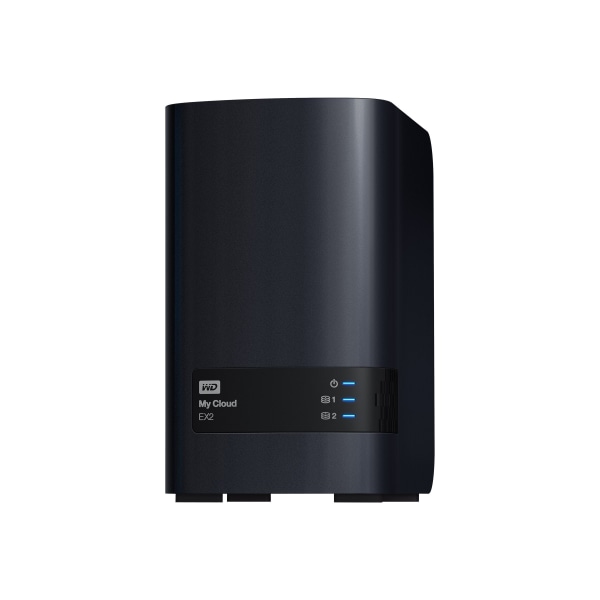
    WD My Cloud EX2 Personal Cloud Storage, Diskless Office Depot and OfficeMax $232.99 Check Price
    Data Security in Cloud Storage Springer Nature Author $103.99 Check Price

    In an era where our digital and physical lives are increasingly intertwined, finding the right way to manage your assets is more important than ever. Whether you are looking to secure sensitive corporate data, organize your family photos, or even find a stylish way to hide blankets in your living room, the term “cloud storage” has expanded far beyond simple internet-based file hosting. Navigating the sea of options can be overwhelming, especially when you are trying to determine which cloud storage to buy for your specific lifestyle or professional needs.

    When conducting a cloud storage review, it is essential to look beyond just the price tag. You must consider the context of your needs: are you looking for hardware-based personal storage, educational resources on cybersecurity, or perhaps a piece of functional furniture? This guide is designed to help you navigate these diverse categories. We have curated a list of the top cloud storage 2026 options ranging from digital security guides and hardware to home decor, ensuring that no matter your definition of “storage,” you find the best solution for your budget and requirements.

    This guide is perfect for tech enthusiasts, homeowners looking for functional decor, students of cybersecurity, and small business owners seeking reliable hardware. By the end of this article, you will have a clear understanding of the landscape and the ability to make an informed decision based on your specific use case.

    Product Price Best For Rating
    Cloud Storage Security by Knetbooks.com $39.71 Security Learners 4.5/5
    Cloud Storage Ottoman by Wayfair $217.99 Home Decor 4.8/5
    Cloud Storage Forensics (eBook) $54.52 Digital Investigators 4.7/5
    WD My Cloud EX2 Personal Cloud $232.99 Small Business/Prosumer 4.6/5
    Data Security in Cloud Storage (Springer) $103.99 Academic/Professional 4.9/5

    Cloud Storage Security vs. Data Security in Cloud Storage: Which Is Better?

    If you are looking for the best cloud storage security knowledge, you might find yourself choosing between the Knetbooks.com guide and the Springer Nature academic text. This “vs” comparison is vital for those deciding between a practical, accessible guide and a deep-dive professional resource.

    The Knetbooks.com version, “Cloud Storage Security,” is significantly more affordable at $39.71. It is designed for a broader audience, focusing on the fundamental principles of keeping data safe in the cloud. It is an excellent entry point for those who need a quick, digestible overview of security protocols without getting bogged as deeply in complex mathematical proofs.

    On the other hand, “Data Security in Cloud Storage” by Springer Nature is a premium academic resource priced at $103.99. This is not just a guide; it is a comprehensive scholarly work. If you are an engineer or a researcher, the Springer text provides the high-level technical depth required for professional implementation. In short: choose Knetbooks for practical application and Springer for academic mastery.

    Cloud Storage Security by Knetbooks.com

    This resource is a fantastic starting point for anyone feeling overwhelmed by the complexities of modern cybersecurity. It provides a clear, structured approach to understanding how to protect your digital assets from unauthorized access. The value here lies in its accessibility, making complex topics easy to grasp for non-experts. It is a highly cost-effective way to bolster your digital literacy.

    Cloud Storage Security

    Cloud Storage Security

    by Knetbooks.com

    $39.71

    Check Price →

    Best for: Budget-conscious learners and beginners in cybersecurity.

    Pros

    • Very affordable
    • Easy to understand
    • Great for quick reference

    Cons

    • Lacks deep technical complexity
    • Not suitable for advanced researchers

    Cloud Storage Ottoman by Wayfair North America

    Taking a literal approach to the term, this Cloud Storage Ottoman is a masterpiece of functional home design. It offers a sleek, modern aesthetic that fits perfectly in any contemporary living room or bedroom. Beyond its visual appeal, the build quality is sturdy enough to serve as extra seating while providing ample hidden space for blankets, pillows, or even small tech accessories. It is a unique way to declutter your space without sacrificing style.

    Cloud Storage Ottoman

    Cloud Storage Ottoman

    by Wayfair North America

    $217.99

    Check Price →

    Best for: Homeowners and interior design enthusiasts.

    Pros

    • Dual-purpose functionality
    • Stylish modern design
    • High-quality fabric

    Cons

    • Limited storage capacity compared to bins
    • Higher price point for furniture

    Cloud Storage Forensics (eBook) by VitalSource

    For those working in law enforcement, private investigation, or high-level cybersecurity, this eBook is an indispensable tool. It covers the intricate details of investigating cloud-based crimes and recovering digital evidence. The content is highly specialized, providing a deep look at the methodologies used by forensic experts. It is a vital investment for anyone serious about a career in digital forensics.

    Cloud Storage Forensics (eBook)

    Cloud Storage Forensics (eBook)

    by VitalSource

    $54.52

    Check Price →

    Best for: Digital investigators and law enforcement professionals.

    Pros

    • Highly specialized content
    • Essential for professional development
    • Comprehensive coverage

    Cons

    • Very niche subject matter
    • Requires prior technical knowledge

    WD My Cloud EX2 Personal Cloud Storage, Diskless by Office Depot and OfficeMax

    The WD My Cloud EX2 is a powerhouse for anyone needing a private, localized cloud solution. This diskless version allows you to customize your storage capacity by adding your own high-capacity drives. It offers incredible flexibility and serves as a central hub for all your devices, making it a top choice for media streaming and large-scale file backups. The build quality is professional-grade, ensuring long-term reliability for your data.

    WD My Cloud EX2 Personal Cloud Storage, Diskless

    WD My Cloud EX2 Personal Cloud Storage, Diskless

    by Office Depot and OfficeMax

    $232.99

    Check Price →

    Best for: Prosumers and small business owners.

    Pros

    • High customization with your own drives
    • Excellent for media streaming
    • Reliable hardware

    Cons

    • Requires separate purchase of hard drives
    • Initial setup can be complex

    Data Security in Cloud Storage by Springer Nature Author

    This is the gold standard for technical documentation regarding cloud security. As a scholarly publication, it delves into the mathematical and architectural security of cloud environments. The level of detail is unparalleled, making it a foundational text for anyone designing cloud infrastructure. While the price reflects its academic weight, the depth of information provided is unmatched by any other resource on this list.

    Data Security in Cloud Storage

    Data Security in Cloud Storage

    by Springer Nature Author

    $103.99

    Check Price →

    Best for: Academic researchers and cloud architects.

    Pros

    • Unmatched technical depth
    • Authoritative and peer-reviewed
    • Essential for infrastructure design

    Cons

    • High price point
    • Extremely dense and difficult for beginners

    How We Picked

    To determine the best cloud storage options for this review, we utilized a multi-dimensional evaluation process. Since “cloud storage” can refer to hardware, software, educational resources, or even furniture, we evaluated each product based on its specific category’s “Value-to-Utility” ratio. For the technical books, we looked at the depth of information versus the price. For the hardware, we analyzed customization and reliability. For the furniture, we focused on aesthetic versatility and build quality. Our goal was to ensure that every item listed provides genuine utility to its intended audience.

    Frequently Asked Questions

    What is the difference between personal and professional cloud storage?

    Personal cloud storage, like the WD My Cloud, is designed for ease of use and media sharing within a home or small office. Professional cloud storage solutions or guides focus more on high-level security, encryption, and forensic audit trails required for enterprise-level compliance.

    Do I need to buy hard drives for the WD My Cloud EX2?

    Yes, the “diskless” designation means that the unit comes without internal hard drives. You will need to purchase compatible SATA drives to determine your total storage capacity.

    Is the Cloud Storage Ottoman actually for storing data?

    No, the Cloud Storage Ottoman is a piece of furniture designed for physical storage (like blankets or pillows) and features a “cloud” inspired aesthetic. It is included for users looking for functional, “cloud-themed” home organization.

    How can I tell if a cloud security book is right for me?

    If you are looking for a general overview of security practices, Knetbooks is your best bet. If you are a researcher or professional needing deep technical and mathematical insights, the Springer Nature text is the superior choice.

    Where to Buy / Best Deals

    If you are ready to make a purchase, here are our top recommendations for finding the best deals:

    • For Security Learners: Check Knetbooks.com directly for the best pricing on “Cloud Storage Security.”
    • For Home Decor: Wayfair North America frequently offers seasonal sales on their furniture lines; keep an eye out for “Way Day” promotions for the Cloud Storage Ottoman.
    • For Digital Forensics: VitalSource is the best place to purchase the eBook version of “Cloud Storage Forensics” for seamless integration with your e-reader.
    • For Hardware: Office Depot and OfficeMax are excellent sources for the WD My Cloud EX2, often providing bulk-purchase discounts for small businesses.
    • For Academic Research: Purchase the Springer Nature text through Springer or major academic distributors to ensure you are getting the official, most recent edition.

    Conclusion: If you are looking for the best overall pick that balances utility, quality, and value across the board, the WD My Cloud EX2 stands out as the most impactful investment for your digital lifestyle. However, if you are strictly looking to expand your knowledge, the Knetbooks.com guide is the most accessible and budget-friendly way to start your journey into cloud security.


  • How To Build An Automated Content Pipeline With Ai

    How To Build An Automated Content Pipeline With Ai

    If you have ever spent a Sunday afternoon staring at a blinking cursor, wondering how you’re going to produce a week’s worth of social posts, newsletters, and blog updates, you aren’t alone. The sheer volume of content required to stay relevant today is exhausting. Most creators eventually hit a wall where they either sacrifice quality to stay consistent or sacrifice consistency to stay high-quality.

    Pipeline for Automated Code Generation from Backlog Items (PACGBI)

    But there is a middle ground. You can build a system that handles the heavy lifting—the research, the first drafts, and the formatting—so you can focus on the actual strategy and creative direction. This isn’t about clicking a button and letting a robot run your entire brand; it is about building a repeatable workflow where AI acts as your tireless junior editor.

    What exactly is an automated content pipeline?

    Think of a pipeline like a factory assembly line. Instead of manually starting every task from scratch, you create a series of connected steps. Raw ideas go in at one end, and finished, multi-channel content comes out the other. An automated pipeline uses software to move data between these steps without you having to copy and paste every single sentence.

    A standard setup usually involves four distinct stages:

    • Ideation & Research: Gathering trending topics and data points.
    • Drafting: Turning outlines into long-form or short-form text.
    • Repurposing: Turning one blog post into ten tweets or a LinkedIn carousel.
    • Distribution: Scheduling the final pieces to your various platforms.

    Step 1: Setting up your brain (The Ideation Layer)

    Every good pipeline starts with a source of truth. You need a place where ideas live before they become tasks. Tools like Notion or Trello are perfect for this. You can even automate this layer by using RSS feeds or Google Alerts that automatically populate a Notion database when a specific keyword is mentioned online.

    Once you have a topic, you need an LLM (Large Language Model) to expand it. This is where you move from a simple idea to a structured outline. Instead of asking a generic prompt, you should feed your “brain” specific brand guidelines and past successful posts so the output doesn’t sound like a generic textbook.

    AI tool comparison: Research and Drafting

    When choosing your primary writing engine, you are usually looking at a choice between Claude, ChatGPT, or specialized writing assistants. Here is how they stack up for a pipeline setup:

    Tool Best For Pricing Tier (Approx.) Key Feature
    ChatGPT (GPT-4o) General reasoning & logic $20/mo Custom GPTs for specific workflows
    Claude 3.5 Sonnet Nuanced, human-like writing $20/mo Large context window for long docs
    Jasper Marketing-specific templates $39+/mo Brand voice memory

    Step 2: Connecting the dots with automation glue

    This is the most critical part. If you want a true pipeline, you cannot manually move text from ChatGPT to WordPress. You need “glue” software. This is the alternative to manual labor that most people overlook. The two heavy hitters here are Zapier and Make.com.

    Make.com is often preferred by technical creators because it allows for much more complex logic. For example, you can create a workflow that says: “When a new row is added to Google Sheets, send the prompt to Claude, take the response, create a draft in WordPress, and then notify me on Slack.”

    Here is a basic workflow blueprint you can replicate:

    1. Trigger: You add a topic to a Notion database.
    2. Action: Make.com detects the change and sends that topic to the OpenAI API.
    3. Action: The API returns a 1,000-word draft based on your pre-set prompt.
    4. Action: The draft is sent to a Google Doc for your final human review.
    5. Action: Once you move the Notion status to “Approved,” the content is automatically pushed to your CMS.

    Choosing your automation engine: Zapier vs Make.com

    If you are just starting, Zapier is much easier to learn. However, if you want to build a complex, multi-step content machine, Make.com offers much more granular control at a lower cost. If you are looking for a Zapier vs Make.com breakdown, the decision usually comes down to your tolerance for a steeper learning curve.

    Step 3: The Repurposing Engine

    The smartest way to use AI is to maximize the lifespan of a single piece of content. Once your long-form blog post is finished, your pipeline should automatically trigger a “repurposing” branch. You can instruct an AI to analyze the finished blog post and extract five key takeaways for a LinkedIn post, three catchy hooks for X (formerly Twitter), and a script for a short-form video.

    Tools like Canva (using their Magic Switch feature) or Typeframes can even help automate the visual side of this. By feeding your text-based pipeline into a video-generation tool, you can turn a text-heavy workflow into a multi-media presence without ever opening an editing suite.

    The Golden Rule: The Human-in-the-Loop

    I cannot stress this enough: never automate the publishing step without a human review. AI is prone to “hallucinations”—it can confidently state facts that are completely wrong. If you automate the “Publish” button, you are essentially gambling with your brand’s reputation.

    Your pipeline should always end at a “Review” stage. This is where you check for accuracy, add your unique personal anecdotes, and ensure the tone matches your actual personality. The goal is to automate the 80% of the work that is tedious, so you can spend 100% of your energy on the 20% that matters: the insight and the truth.

    Ready to stop staring at the blank screen? Start small. Pick one repetitive task—like turning your newsletters into LinkedIn posts—and build a simple automation for just that. Once that works, expand your pipeline.

    If you found this breakdown helpful, subscribe to our newsletter for more deep dives into building efficient, AI-driven workflows.

    Our Top Picks

    Products we recommend:

    1. How to Build an Insect

    How to Build an Insect

    How to Build an Insect

    by Knetbooks.com

    $14.84

    Check Price →

    2. How to Build an Ancient Man

    How to Build an Ancient Man

    How to Build an Ancient Man

    by FYE

    $25.99

    Check Price →

    3. How to Build an Igloo (eBook)

    How to Build an Igloo (eBook)

    How to Build an Igloo (eBook)

    by VitalSource

    $26.81

    Check Price →