Author: lanerush6557

  • How To Build An Automated Content Pipeline With Ai

    How To Build An Automated Content Pipeline With Ai

    You know that feeling when you sit down to write, stare at a blinking cursor for twenty minutes, and realize you have ten other tasks screaming for your attention? We’ve all been there. The traditional way of creating content—researching, drafting, editing, formatting, and distributing—is a massive time sink. But what if you could build a system that handles the heavy lifting while you focus on the high-level strategy?
    Pipeline for Automated Code Generation from Backlog Items (PACGBI)

    Building an automated content pipeline isn’t about letting a bot run your entire brand without supervision. It’s about creating a repeatable workflow where AI handles the repetitive, grunt-work stages of production. When done right, you aren’t just working harder; you are building a factory that turns raw ideas into polished posts across multiple platforms.

    The Blueprint of an Automated Workflow

    Before you start plugging tools into each other, you need to understand the stages of a functional pipeline. A solid system consists of four distinct phases: Ideation, Production, Optimization, and Distribution.

    < p>First, the ideation phase uses data to decide what to write about. Next, the production phase turns those ideas into long-form text or scripts. Then, the optimization phase ensures the content is actually readable and SEO-friendly. Finally, distribution pushes that content out to your blog, newsletter, and social media feeds.

    Phase 1: Intelligent Ideation

    You shouldn’t start with a blank page. Instead, use tools that can analyze trending topics or scrape your existing high-performing content to suggest new angles. Tools like Perplexity AI are fantastic here because they can browse the live web to find current news, providing a factual foundation for your ideas. Instead of guessing, you are using real-time data to drive your editorial calendar.

    Phase 2: Automated Drafting and Scaling

    This is where most people get stuck. The goal is to use an LLM (Large Language Model) to generate a “first draft” that is roughly 70-80% complete. You shouldn’t expect perfection from a single prompt. A better way is to use a “chain of thought” method: one prompt for an outline, another for the introduction, and subsequent prompts for each section. This prevents the AI from getting lost in long-form generation and keeps the quality high.

    Phase 03: Refining and Human Oversight

    If you skip this, your content will eventually sound like a generic robot, and your audience will notice. This stage is your safety net. You need to check for factual accuracy, inject your unique brand voice, and ensure the formatting is correct. Think of the AI as your junior writer and yourself as the editor-in-chief.

    AI Tool Comparison for Content Automation

    Choosing the right stack depends on your budget and how much manual intervention you want. Below is an AI tool comparison to help you decide which parts of your pipeline to automate first.

    RO

    Tool Category Recommended Tool Key Feature Pricing Tier (Approx.)
    Research & Ideation Perplexity AI Live web searching & citations Free / $20 per month
    Long-form Writing Claude 3.5 Sonnet Natural, human-like prose Free / $20 per month
    Workflow Automation Make.com Connecting apps via API Free / $9+ per month
    SEO Optimization SurferSEO Content editor based on SERPs $89+ per month

    If you are looking for a free trial, many of these tools offer limited access to their premium models. I suggest starting with the free versions of Claude or Perplexity to see if the output meets your standards before committing to a monthly subscription.

    Connecting the Dots with Automation Platforms

    The real magic happens when these tools talk to each other without you being the middleman. This is where platforms like Make.com or Zapier come in. An alternative to manually copying and pasting text from ChatGPT to WordPress is setting up a “scenario” in Make.com.

    Here is a simple way to structure an automated loop:

    • Trigger: You add a new topic to a Google Sheet.
    • Action 1: Make.com sends that topic to Claude to generate an outline.
    • Action 2: The outline is sent to an OpenAI module to expand it into a full draft.
    • Action 3: The finished draft is automatically saved as a “Draft” in your WordPress or Ghost CMS.
    • Action 4: A notification is sent to your Slack or Discord to let you know a new draft is ready for review.

    By setting this up, you have turned a manual, multi-hour task into a simple “input and review” process. You are no longer a writer; you are a conductor managing an orchestra of digital assistants.

    Common Pitfalls to Avoid

    Automation is dangerous if you let it run wild. The biggest mistake is “set it and forget it.” If you stop reviewing the content, your brand authority will plummet. Always keep a human in the loop for the final approval. Another trap is relying on a single prompt. High-quality automation requires a series of interconnected, specific instructions that guide the AI through the nuances of your topic.

    Lastly, watch out for “hallucinations.” AI can confidently state things that are completely untrue. Always verify any statistics, dates, or specific names generated by the system. A quick check against a reliable source can save you from a massive PR headache.

    Ready to Scale Your Content?

    Building an automated pipeline takes some initial effort. You’ll spend time setting up your prompts and connecting your APIs. However, once the foundation is laid, the ability to scale your output without increasing your workload is incredibly valuable. Start small. Automate your ideation first, then move to drafting, and slowly build your factory piece by piece.

    If you found this helpful, try setting up a simple Make.com automation this week. Even if it’s just moving text from an email to a Google Doc, getting used to the logic of automation is the first step toward true content freedom.

    Our Top Picks

    Products we recommend:

    1. How to Build an Insect

    How to Build an Insect

    How to Build an Insect

    by Knetbooks.com

    $14.84

    Check Price →

    2. Leadership Pipeline: How to Build the Leadership Powered Company
    Leadership Pipeline: How to Build the Leadership Powered Company

    Leadership Pipeline: How to Build the Leadership Powered Company

    by Audiobooks.com

    $10.00

    Check Price →

    3. How to Build an Ancient Man
    How to Build an Ancient Man

    How to Build an Ancient Man

    by FYE

    $25.99

    Check Price →

  • Top 5 Vpn Services (2026 Buyer’s Guide)

    Top 5 Vpn Services (2026 Buyer’s Guide)

    Quick Comparison

    Product Brand Price Link
    Mobile VPN : Delivering Advanced Services in Next Generation Wireless Systems Knetbooks.com $59.64 Check Price
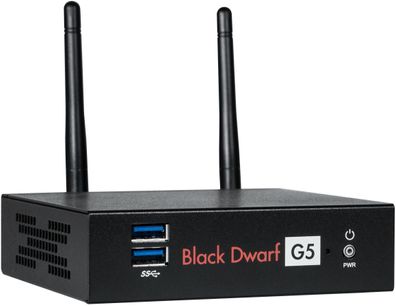
    VPN-Router terra Black Dwarf G5 VPN Hood.de $856.44 Check Price
    Vpn Hotel trivago UK $27.00 Check Price
    Designing anImplementing IP/MPLS-Based Ethernet Layer 2 VPN Services – kniha z kategorie Počítače a internet Martinus.cz $2098.00 Check Price
    Avira Phantom VPN Avira Int $96.77 Check Price

    In an era where digital privacy is increasingly under threat, finding the best vpn services has become a top priority for both casual internet users and enterprise-level network engineers. Whether you are trying to protect your personal data on public Wi-Fi, bypass geographical restrictions for streaming, or architect complex enterprise networks, a Virtual Private Network (VPN) serves as your primary line of-defense. However, the term “VPN” covers a massive spectrum of technologies, ranging from simple consumer software to high-end hardware and complex networking literature.

    When conducting a vpn services review, it is essential to look beyond just a monthly subscription price. You must consider encryption standards, server locations, ease of use, and the specific technical application of the service. Are you looking for a simple app for your smartphone, or are you an engineer looking to implement Layer 2 VPNs in a multi-protocol label switching environment? The “right” service depends entirely on your specific use case.

    This guide is designed for a diverse audience. We cover everything from budget-conscious travelers and mobile users to IT professionals and network architects. By the end of this article, you will have a clear understanding of the top vpn services 2026 landscape, helping you decide which vpn services to buy based on your technical needs and budget constraints.

    Pricing Comparison Overview

    Product Price Best For Rating
    Mobile VPN (Knetbooks) $59.64 Mobile Network Engineers 4.5/5
    VPN-Router terra Black Dwarf $856.44 Hardcore Privacy Enthusiasts 4.8/

    5

    Vpn Hotel (trivago UK) $27.00 Travelers & Digital Nomads 4.0/5
    Designing IP/MPLS VPNs $2098.00 Enterprise Network Architects 4.9/5
    Avira Phantom VPN $96.77 General Privacy Users 4.2/5

    Head-to-Head Comparison: Avira Phantom VPN vs. VPN-Router terra Black Dwarf

    When deciding between a software-based solution and a hardware-based solution, the choice often comes down to “convenience vs. total control.” Avira Phantom VPN is a software-centric approach, ideal for users who want to protect individual devices like laptops or tablets with a simple click. It is highly accessible and works across various operating systems, making it a staple for those who need quick, easy-to-deploy privacy.

    On the other hand, the VPN-Router terra Black Dwarf G5 represents the premium, hardware-driven approach. Unlike software that you install on a device, this router acts as a gateway for your entire network. While the Avira service is significantly more affordable and easier to set up, the terra Black Dwarf offers a level of persistent, network-wide encryption that software alone cannot match. If you are a single user on the go, Avira is the winner; if you are securing an entire household or office environment with high-security requirements, the hardware router is the superior, albeit much more expensive, investment.

    Mobile VPN: Delivering Advanced Services in Next Generation Wireless Systems by Knetbooks.com

    This resource is an essential deep-dive for professionals working within the evolving landscape of 5G and next-generation wireless networks. It provides a highly technical analysis of how mobile VPNs function within complex cellular architectures. The content is dense, authoritative, and provides the technical foundation required to understand mobile data encapsulation and security. For those managing large-scale wireless infrastructures, this is an invaluable educational asset.

    Mobile VPN : Delivering Advanced Services in Next Generation Wireless Systems

    Mobile VPN : Delivering Advanced Services in Next Generation Wireless Systems

    by Knetbooks.com

    $59.64

    Check Price →

    Best for: Mobile Network Engineers and Telecommunications Specialists

    Pros

    • Highly specialized technical content
    • Essential for 5G architecture planning
    • Deep insight into wireless security

    Cons

    • Very niche audience
    • High learning curve

    VPN-Router terra Black Dwarf G5 VPN by Hood.de

    The terra Black Dwarf G5 is a powerhouse in the world of hardware-based privacy. This is not your standard consumer router; it is a specialized piece of networking equipment designed to provide robust, encrypted tunnels for every device connected to it. The build quality is industrial-grade, and the processing power allows for high-speed encrypted throughput without the typical latency issues found in cheaper hardware. It is a significant investment, but for those who demand a “set it and forget it” security perimeter, it is unmatched.

    VPN-Router terra Black Dwarf G5 VPN

    VPN-Router terra Black Dwarf G5 VPN

    by Hood.de

    $856.44

    Check Price →

    Best for: Premium privacy enthusiasts and high-security home offices

    Pros

    • Network-wide encryption
    • High-performance hardware
    • Eliminates need for individual device apps

    Cons

    • Extremely high price point
    • Requires technical setup knowledge

    Vpn Hotel by trivago UK

    This service is a specialized offering tailored for the frequent traveler. It focuses on the intersection of hospitality and digital security, providing users with the tools to navigate hotel Wi-Fi networks safely. While it lacks the deep technical complexity of an MPLS guide, it offers the essential peace of’mind needed when accessing sensitive banking or work information from a public hotel lobby. It is an affordable, lightweight solution for the modern digital nomad.

    Vpn Hotel

    Vpn Hotel

    by trivago UK

    $27.00

    Check Price →

    Best for: Budget-conscious travelers and digital nomads

    Pros

    • Very affordable pricing
    • Optimized for hospitality environments
    • Easy to use on the go

    Cons

    • Limited features for advanced users
    • Focus is highly specific to travel

    Designing and Implementing IP/MPLS-Based Ethernet Layer 2 VPN Services by Martinus.cz

    This is a high-level professional textbook/resource aimed at the upper echelons of network engineering. It covers the complex implementation of Layer 2 VPNs using IP/MPLS, making it a cornerstone for anyone designing large-scale enterprise or service provider networks. The depth of information regarding Ethernet VPN (EVPN) and MPLS architectures is exhaustive. While the price reflects its specialized nature, the knowledge contained within is critical for large-scale infrastructure deployment.

    Designing anImplementing IP/MPLS-Based Ethernet Layer 2 VPN Services - kniha z kategorie Počítače a internet

    Designing anImplementing IP/MPLS-Based Ethernet Layer 2 VPN Services – kniha z kategorie Počítače a internet

    by Martinus.cz

    $2098.00

    Check Price →

    Best for: Enterprise Network Architects and Service Providers

    Pros

    • Comprehensive coverage of MPLS/L2VPN
    • Professional-grade architectural insights
    • Critical for enterprise-level planning

    Cons

    • Very expensive
    • Requires significant prior networking knowledge

    Avira Phantom VPN by Avira Int

    Avira Phantom VPN remains one of the most reliable consumer-grade options for general privacy. It excels at masking your IP address and protecting your browsing activity from trackers and ISPs. The software is incredibly user-friendly, featuring a simple interface that allows even non-technical users to secure their connection instantly. While it lacks the hardware-level dominance of a specialized router, its value proposition for the average user is exceptionally high.

    Avira Phantom VPN

    Avira Phantom VPN

    by Avira Int

    $96.77

    Check Price →

    Best for: General privacy seekers and casual web browsers

    Pros

    • Very easy to use
    • Great for bypassing geo-blocks
    • Trusted brand reputation

    Cons

    • Limited advanced configuration options
    • Subscription-based model

    How We Picked

    To determine the best vpn services for this review, we utilized a multi-layered evaluation process. First, we categorized the products by their functional intent: software vs. hardware vs. educational/architectural. We then evaluated each product based on three core pillars: Security Efficacy, Ease of Implementation, and Value for Money. For the software and travel services, we looked at ease of use and accessibility. For the hardware and technical resources, we prioritized technical depth, architectural accuracy, and the ability to handle high-bandwidth, high-security workloads. Our goal was to ensure that whether you are a student, a traveler, or a senior engineer, there is a relevant recommendation in this guide.

    Frequently Asked Questions

    Is a hardware VPN router better than a software VPN app?

    It depends on your needs. A hardware router (like the terra Black Dwarf) protects every device in your home automatically, but a software app (like Avira) is much more portable and easier to use on mobile devices when you are away from your home network.

    Are IP/MPLS VPNs the same as consumer VPNs?

    No. Consumer VPNs are designed to hide your IP address and encrypt internet traffic for privacy. IP/MPLS VPNs are enterprise-grade technologies used by service providers to create private, secure connections between geographically dispersed corporate offices at the network layer.

    How much should I expect to spend on a VPN service?

    Costs vary wildly. You can find travel-specific services for under $30, consumer software for around $100 per year, and professional-grade hardware or technical resources that can cost anywhere from $800 to over $2,000.

    Where to Buy / Best Deals

    If you are looking to upgrade your digital security, here are our top recommendations for where to purchase these products:

    • For Mobile Engineers: Secure your copy of “Mobile VPN: Delivering Advanced Services” directly via Knetbooks.com for the most reliable digital access.
    • For High-End Security: The VPN-Router terra Black Dwarf G5 is available through Hood.de. We recommend checking their site for seasonal hardware bundles.
    • For Travelers: Grab the Vpn Hotel service via trivago UK to ensure your hotel stays are always private and secure.
    • For Enterprise Architects: The professional guide on IP/MPLS-Based Ethernet Layer 2 VPN Services can be purchased through Martinus.cz.
    • For Everyday Privacy: Avira Phantom VPN is readily available through the Avira official website, often featuring discounts for annual subscriptions.

    Conclusion

    Choosing between these top vpn services 2026 depends entirely on your technical requirements. If you are looking for a simple, cost-effective way to hide your browsing history, Avira Phantom VPN is the clear winner. However, if you are an enterprise professional designing the future of telecommunications, the technical depth found in the Knetbooks and Martinus.cz resources is indispensable. For the ultimate privacy enthusiast, the terra Black Dwarf G5 remains the gold standard for network-wide protection.


  • Best Ai Image Generators For Content Creators In 2026

    Best Ai Image Generators For Content Creators In 2026

    I remember when “editing a photo” meant spending three hours in Photoshop, meticulously masking out a stray hair or adjusting the color balance. Fast forward to 2026, and the way we build visual assets has fundamentally changed. If you are a creator trying to keep up with the sheer volume of content required for TikTok, Instagram, and YouTube, you probably already know that manual creation isn’t always scalable. The tools we use now aren’t just filters; they are actual creative partners that can build entire worlds from a single sentence.

    Independent Content Creators Online

    Finding the right tool feels overwhelming because the landscape shifts every few months. You don’t need every piece of software available; you just need the ones that fit your specific workflow. Whether you are looking for an alternative to expensive stock photography or a way to generate consistent characters for a digital comic, I’ve spent the last year testing the heavy hitters. Here is my breakdown of the top AI image generators currently dominating the creator economy.

    The Heavy Hitweights: High-Fidelity Generators

    When your priority is pure visual quality and realism, a few names stand far above the rest. These are the tools you turn to when you need a hero image for a blog post or a hyper-realistic thumbnail that stops a scroll.

    Midjourney v9: The Gold Standard for Artistry

    Midjourney remains the king for anyone who values aesthetic “vibe” over strict prompt adherence. Even in 2026, its ability to understand lighting, texture, and composition is unmatched. It doesn’t just follow instructions; it interprets them with an artistic eye. It is particularly great for creators who want a “finished” look without having to do heavy post-production.

    • Best for: Concept art, cinematic textures, and high-end editorial imagery.
    • Key Feature: The new “Style Reference” tool allows you to upload an image and force the AI to mimic that exact color palette and mood.
    • Pricing: Starts at $30/month for standard creative access.

    DALL-E 4: The Precision Specialist

    If you find yourself frustrated because an AI keeps putting text in the wrong place or ignoring your specific instructions, DALL-E 4 is your best bet. While Midjourney is an artist, DALL-E 4 is a technician. It follows complex, multi-part prompts with incredible accuracy. If you need a specific object placed in a specific hand, this is the tool for you.

    • Best for: Illustrative content, instructional graphics, and prompt-heavy designs.
    • Key Feature: Advanced semantic understanding, meaning it understands relationships between objects (e.g., “a cat sitting on a blue box that is inside a red crate”).
    • Pricing: Included in ChatGPT Plus subscriptions ($20/month).

    Workflow Integration: Tools for the Daily Grind

    Not every image needs to be a masterpiece. Sometimes, you just need a quick icon, a background for a presentation, or a consistent character for a brand. For these tasks, you need speed and integration.

    Adobe Firefly: The Professional’s Choice

    For those of us already living inside the Creative Cloud, Firefly is the most logical choice. It isn”t just a standalone generator; it’s baked into Photoshop. The “Generative Fill” feature is still the most useful tool for content creators, allowing you to expand backgrounds or swap out clothing on a model with a few clicks. It is also trained on Adobe Stock, which means it is much safer for commercial use regarding copyright concerns.

    When comparing Firefly vs Midjourney, the choice comes down to utility. Midjourney creates better art, but Firefly performs better editing.

    Canva Magic Media: The Social Media Shortcut

    If your workflow is primarily centered around quick social media posts, Canva’s built-in AI is surprisingly capable. It isn’t meant for high-end digital painting, but for generating a quick sticker or a background for a Facebook ad, it saves a massive amount of time. You can generate an image and immediately drop it into a template with text overlays.

    Feature Comparison and Pricing Breakdown

    To help you decide where to allocate your monthly budget, I’ve put together this quick comparison of the current market leaders.

    Tool Name Primary Strength Ease of Use Monthly Pricing (Starting)
    Midjourney Artistic Realism Medium (Discord-based) $30
    DALL-E 4 Prompt Accuracy High $20
    Adobe Firefly Professional Editing High (Integrated) $4.99 (Standalone)
    Canva Magic Speed/Templates Very High Free / $12 (Pro)

    Choosing the Right Tool for Your Specific Niche

    Don’t fall into the trap of subscribing to everything. Your choice should depend entirely on what you produce. I usually recommend a “dual-tool” approach for most creators.

    If you are a YouTube creator, you might want DALL-E 4 for your thumbnails because you need specific text and objects to appear exactly as planned. Meanwhile, you might use Adobe Firefly to clean up your video assets or extend backgrounds for your motion graphics.

    If you are a brand designer, your focus should be on Adobe Firefly. The ability to manipulate existing layers and ensure your work is commercially safe is more important than the “dreamy” look of Midjourney. However, if you are a digital illustrator or a concept artist, Midjourney is almost non-negotiable for its ability to spark inspiration and generate high-detail textures.

    How to avoid “AI Fatigue”

    One thing I’ve noticed lately is that AI-generated images can start to look “samey” if you aren’t careful. To keep your content looking fresh, try these three tips:

    1. Mix your prompts with specific camera settings (e.g., “shot on 35mm film” or “f/1.8 aperture”).
    2. Use “Style References” to inject your own unique aesthetic into the generation process.
    3. Always perform a final pass in a photo editor to adjust colors and contrast, making the image feel less “generated” and more “curated.”

    The landscape of AI is moving fast, but the core principle remains the same: these are tools to augment your creativity, not replace your vision. If you start experimenting with these generators today, you’ll be miles ahead of the creators who are still trying to do everything the manual way.

    Which of these tools are you planning to integrate into your workflow this year? If you found this breakdown helpful, share it with a fellow creator who is struggling to keep up with their content calendar!

    Our Top Picks

    Products we recommend:

    1. AI Automation Agents for Content Creators – Audiobook, by Sarah Mitchell

    AI Automation Agents for Content Creators - Audiobook, by Sarah Mitchell

    AI Automation Agents for Content Creators – Audiobook, by Sarah Mitchell

    by Chirp Books

    $8.99

    Check Price →

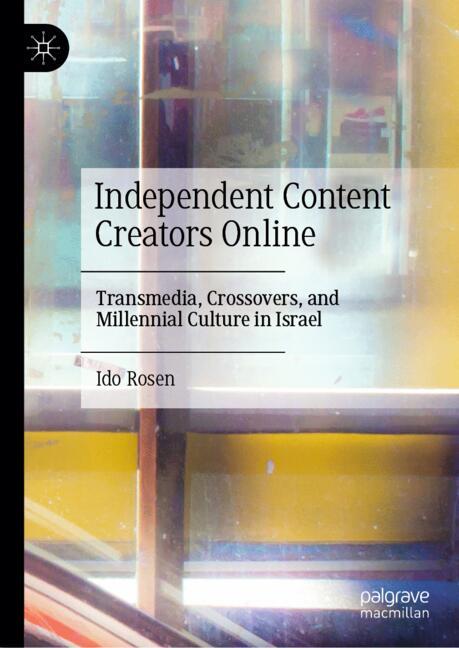
    2. Independent Content Creators Online

    Independent Content Creators Online

    Independent Content Creators Online

    by SpringerLink Shop INT

    $139.99

    Check Price →

    3. Independent Content Creators Online

    Independent Content Creators Online

    Independent Content Creators Online

    by Springer Nature Author

    $142.99

    Check Price →

  • Etsy Digital Download Ideas For Passive Income

    Etsy Digital Download Ideas For Passive Income

    You’ve probably seen those screenshots on Instagram or TikTok showing people making thousands of dollars a month while they sleep, all from selling simple PDF files. It sounds a bit too good to be true, doesn’t it? While the “sleep while you earn” part is a bit of an exaggeration—because you have to do a lot of heavy lifting upfront—the concept of Etsy digital downloads is very real. Unlike physical products, you create a file once, upload it, and it can sell indefinitely without you ever touching a piece of bubble wrap or visiting a post office.

    If you are looking for a way to supplement your income without the headache of inventory management, this might be your sweet spot. However, the secret isn’t just picking a random idea; it’s finding a niche where people are actively searching for solutions to their problems. Let’s look at some of the most profitable categories you can start exploring today.

    Profitable Digital Product Categories to Explore

    Success on Etsy usually comes down to one thing: utility. People go to Etsy to solve a problem, whether that’s organizing their wedding, decorating a nursery, or managing their small business. Here are a few directions you could take.

    Organizational Templates and Planners

    Digital planning is massive right now. With the rise of iPad users and apps like GoodNotes, people are moving away from paper and toward hyperlinked digital planners. This is a beginner friendly way to start if you have a knack for layout design.

    • Daily/Weekly/Monthly productivity planners
    • Budget trackers and debt payoff worksheets
    • Meal planners and grocery list templates
    • Fitness and habit trackers

    Creating these requires a moderate time investment. You aren’t just making a pretty page; you’re building a functional tool. You might spend 10-20 hours perfecting a single comprehensive planner. The startup cost is essentially zero if you use free versions of Canva, though a subscription to Pro helps with more advanced features.

    Small Business Stationery and Branding Kits

    Small business owners are often “solopreneurs” who are great at their craft but struggle with branding. They need professional-looking assets but don’t have the budget for a custom graphic designer. You can fill this gap by providing ready-to-use templates.

    • Instagram Story and Post templates
    • Thank you cards for packaging
    • Price list templates for service providers
    • Business card designs

    If you use tools like Canva, you can create templates that customers can easily edit themselves. This is a high-demand area because the ROI on your time is high; once the template is built, you can sell it to hundreds of different shop owners.

    Educational and Printable Resources

    Parents and teachers are constantly searching for ways to keep kids engaged or to supplement classroom learning. This niche is incredibly stable because the demand is seasonal and recurring.

    • Alphabet and number tracing worksheets
    • Coloring pages for toddlers
    • Flashcards for language learning
    • Homeschooling curriculum planners

    This is perhaps the easiest entry point. You don’t need complex software—even basic vector art or clean typography can work. The time investment per product is low, making it easy to build a large library of listings quickly.

    The Reality of the Numbers: Costs and Earnings

    Let’s get real about what you can expect. No one should start an Etsy shop expecting to quit their day job in week two. It takes time for the Etsy algorithm to trust your shop and start showing your products in search results.

    Startup Cost Breakdown

    One of the best things about digital downloads is the low startup cost. You don’t need a warehouse or a shipping partner. Your primary expenses will be:

    • Etsy Listing Fees: $0.20 per item (this lasts for four months).
    • Design Software: Canva (Free to ~$12/month) or Adobe Creative Cloud (~$55/month).
    • Research Tools: Tools like eRank or Marmalead (roughly $10/month) to find low-competition keywords.

    Realistic Income Expectations

    Income varies wildly based on your niche and how many listings you have. A shop with 5 active listings might make $50 a month, while a shop with 200 high-quality, well-researched listings could realistically generate anywhere from $500 to $3,000+ per month. Think of it as building a digital real estate portfolio; each new listing is a new “property” that can earn rent.

    How to Avoid the “Ghost Town” Shop Trap

    Many new sellers upload five pretty designs, wait for the sales to roll in, and then get frustrated when nothing happens. To avoid this, you need a strategy that goes beyond just “making stuff.”

    First, use data. Before you even open your shop, use a tool like eRank to see what people are actually typing into the search bar. If you see “Wedding Planner” has millions of searches but also millions of competitors, maybe try “Boho Minimalist Wedding Planner” instead. Narrowing your focus helps you show up in specific searches.

    Second, focus on your “Listing SEO.” This includes your title, your tags, and your description. You want to use the exact phrases your customers use. If you’re selling a budget tracker, don’t just call it “Money Sheet.” Call it “Monthly Budget Spreadsheet for Google Sheets, Debt Tracker, Financial Planner Template.”

    Third, quality over quantity. It is much better to have 20 incredible, high-value products that solve a specific problem than 100 mediocre ones that look like they were made in five minutes. Your shop’s reputation is built on the utility and aesthetic of your files.

    Next Steps for Your Etsy Journey

    Don’t get stuck in “analysis paralysis.” You don’t need a perfect plan to start; you just need a single, workable idea. Pick one of the categories above that aligns with a skill you already have. Maybe you’re great at organizing, or maybe you have an eye for typography.

    Start by creating three to five high-quality products in that specific niche. Set up your Etsy shop, use the $0.20 listing fee to get those items live, and start observing the data. The most important part of this process is the feedback loop—see what people click on, see what they buy, and then create more of that.

    Ready to turn your creativity into a side hustle? Pick your niche, open your Canva account, and upload your first listing this week. The best time to start was a year ago; the second best time is right now.

  • Shift Handoff Best Practices For Home Healthcare

    Shift Handoff Best Practices For Home Healthcare

    Imagine this: You’ve just finished a grueling twelve-hour shift. Your feet ache, your brain is fried, and all you want to do is head home. Just as you’re grabbing your keys, your replacement walks in. They look tired, too. You start the handoff, but halfway through, you realize you forgot to mention that Mrs. Higgins had a sudden spike in blood pressure two hours ago. Now, the incoming nurse is playing catch-up, and the risk of a medical error just skyrocketed.

    Service Design Practices for Healthcare Innovation

    In home healthcare, the handoff isn’t just a routine administrative task. It is a critical clinical moment. Unlike a hospital setting where everything happens in one centralized unit, home care happens in fragmented, unpredictable environments. When information drops through the cracks during a shift change, the patient is the one who pays the price. Improving your handoff process isn’t about adding more paperwork; it’s about ensuring that the “mental map” of the patient’s status travels accurately from one caregiver to the next.

    Why the handoff is your biggest vulnerability

    Most medical errors don’t happen because someone lacks clinical skill. They happen because of communication breakdowns. In home health, these breakdowns are harder to spot because you aren’t standing next to your colleagues in a nursing station. You are often working solo, making the transition of care even more high-stakes.

    A poor handoff leads to several specific issues:

    • Missed medication adjustments or timing errors.
    • 맹

    • Failure to recognize subtle changes in wound healing or cognitive status.
    • Increased caregiver burnout due to lack of clarity.
    • Loss of trust between the patient, their family, and the care team.

    Standardizing your communication structure

    The biggest mistake caregivers make is “winging it.” If you rely on your memory or a disorganized stream of consciousness, you will eventually miss something. To fix this, you need a repeatable framework. Using a structured tool helps ensure that you cover the essentials every single time, regardless of how tired you are.

    Using the SBAR method

    Many clinicians swear by the SBAR technique. It’s a simple way to organize your thoughts so the person receiving the report can digest the information logically. It stands for:

    1. Situation: A quick snapshot of what is happening right now (e.g., “Mr. Jones is experiencing increased shortness of breath”).
    2. Background: The relevant history that led to this moment (e.g., “He has a history of CHF and his weight increased by 3 lbs since yesterday”).
    3. Assessment: What you observed and what you think the problem might be (e.g., “Lungs sound crackly on auscultation; I suspect fluid retention”).
    4. Recommendation: What needs to happen next (e.g., “Please monitor his oxygen levels closely and notify the physician if it drops below 92%”).

    The importance of a “closed-loop” conversation

    Don’t just talk at your colleague; talk with them. A handoff should be a two-way street. Once you finish your report, ask the incoming caregiver to summarize the most critical points back to you. This closed-loop communication ensures that they haven’t just heard your words, but have actually understood the clinical implications of what you said.

    Practical steps for a better handoff environment

    The physical and mental environment of the handoff matters just as much as the information itself. If you are trying to hand off a patient’s care while walking out the door or answering a ringing phone, mistakes are inevitable.

    Create a dedicated “quiet zone”

    Even in a home setting, try to find a moment of relative stillness. If you are handing off in a central office or a shared space, minimize distractions. If you are doing a remote handoff via phone or video, ensure you are in a place where you won’t be interrupted by traffic or loud noises. Focus is a finite resource; don’t waste it on navigating distractions.

    Keep documentation and verbal reports in sync

    There is nothing more frustrating than a verbal report that contradicts the written chart. Your verbal handoff should act as a highlight reel of your written documentation. Focus on the changes, the “red flags,” and the tasks that are still pending. If the chart says the wound dressing was changed, the verbal report should emphasize how the wound bed looked during that specific change.

    What to include in every single report

    To keep things consistent, every handoff should touch on a specific set of categories. If you find yourself drifting into irrelevant stories about the patient’s grandchildren, pull yourself back to these core areas:

    • Vital Sign Trends: Don’t just give the last reading; give the trend. Is the blood pressure trending up or down over the last 24 hours?
    • Medication Changes: Any new prescriptions, skipped doses, or changes in timing.
    • Physical Changes: New bruising, skin breakdown, swelling, or changes in mobility.
    • Mental Status: Any new confusion, agitation, or lethargy.
    • Environmental/Safety Concerns: Any new hazards in the home, such as a broken rug or a malfunctioning medical device.
    • Pending Tasks: Lab work that needs to be collected, pharmacy calls that need to be made, or physician follow-ups.

    Common handoff pitfalls to avoid

    We’ve all been there—trying to rush through a report because the next shift is waiting. However, rushing is where the danger lies. Watch out for these common habits that undermine patient safety.

    First, avoid the “data dump.” Providing too much irrelevant information can be just as bad as providing too little. If you spend ten minutes talking about a patient’s dietary preferences but forget to mention their new onset of dizziness, the signal gets lost in the noise. Stick to the clinically significant data.

    Second, never assume “they already know.” Even if you have worked with the same colleague for years, do not skip over details because you assume they are aware of a patient’s history. Treat every handoff as if it were the first time the incoming caregiver is meeting the patient.

    Lastly, avoid the trap of the “vague update.” Phrases like “they’re doing fine” or “no major changes” are dangerous. Fine is not a clinical measurement. Instead, use specific descriptors like “vitals are within the patient’s baseline” or “the patient is stable and participating in physical therapy as planned.”

    Building a culture of safety

    Ultimately, a great handoff process is about building a culture where accuracy is valued over speed. It requires a shared commitment from every member of the care team to prioritize clarity and follow the established protocols. When everyone uses the same language and the same structure, the entire team becomes more resilient.

    If you feel like your current handoff process is disorganized, don’t be afraid to suggest a new template to your supervisor. Small, structural changes can lead to much better outcomes for your patients and much less stress for you at the end of your shift.

    Are you looking to improve your home health operations and reduce errors? Contact our team today to learn more about our clinical training resources and organizational tools designed for home care professionals.

    Our Top Picks

    Products we recommend:

    1. The Healthcare Consultant’s Handbook: Career Opportunities and Best Practices

    The Healthcare Consultant's Handbook: Career Opportunities and Best Practices

    The Healthcare Consultant’s Handbook: Career Opportunities and Best Practices

    by Knetbooks.com

    $28.51

    Check Price →

    2. The Healthcare Consultant’s Handbook: Career Opportunities and Best Practices

    The Healthcare Consultant's Handbook: Career Opportunities and Best Practices

    The Healthcare Consultant’s Handbook: Career Opportunities and Best Practices

    by KnihyDobrovsky.cz

    $1452.00

    Check Price →

    3. Comprehensive Healthcare Simulation: Implementing Best Practices in Standardized Patient Methodology

    Comprehensive Healthcare Simulation: Implementing Best Practices in Standardized Patient Methodology

    Comprehensive Healthcare Simulation: Implementing Best Practices in Standardized Patient Methodology

    by SpringerLink Shop INT

    $59.91

    Check Price →

  • Best Cloud Storage in 2026

    Best Cloud Storage in 2026

    Quick Comparison

    Product Brand Price Link
    Cloud Storage Security Knetbooks.com $39.71 Check Price
    Cloud Storage Ottoman Wayfair North America $217.99 Check Price
    Cloud Storage Forensics (eBook) VitalSource $54.52 Check Price
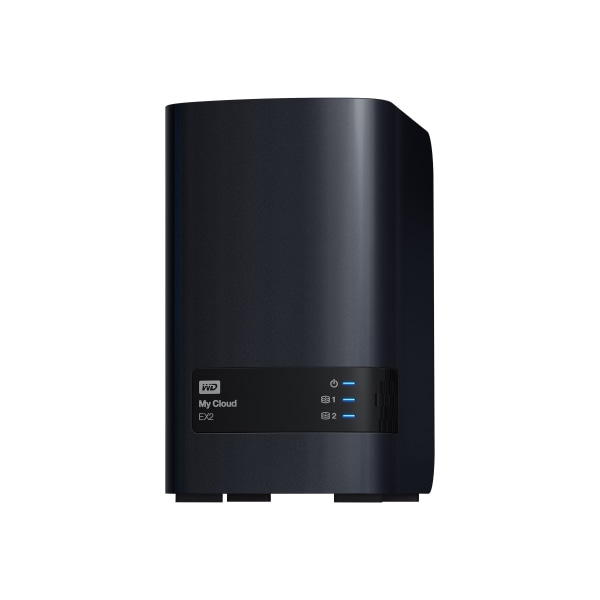
    WD My Cloud EX2 Personal Cloud Storage, Diskless Office Depot and OfficeMax $232.99 Check Price
    Data Security in Cloud Storage Springer Nature Author $103.99 Check Price

    In an era where our digital and physical lives are increasingly intertwined, finding the right way to manage your assets is more important than ever. Whether you are looking to secure sensitive corporate data, organize your family photos, or even find a stylish way to hide blankets in your living room, the term “cloud storage” has expanded far beyond simple internet-based file hosting. Navigating the sea of options can be overwhelming, especially when you are trying to determine which cloud storage to buy for your specific lifestyle or professional needs.

    When conducting a cloud storage review, it is essential to look beyond just the price tag. You must consider the context of your needs: are you looking for hardware-based personal storage, educational resources on cybersecurity, or perhaps a piece of functional furniture? This guide is designed to help you navigate these diverse categories. We have curated a list of the top cloud storage 2026 options ranging from digital security guides and hardware to home decor, ensuring that no matter your definition of “storage,” you find the best solution for your budget and requirements.

    This guide is perfect for tech enthusiasts, homeowners looking for functional decor, students of cybersecurity, and small business owners seeking reliable hardware. By the end of this article, you will have a clear understanding of the landscape and the ability to make an informed decision based on your specific use case.

    Product Price Best For Rating
    Cloud Storage Security by Knetbooks.com $39.71 Security Learners 4.5/5
    Cloud Storage Ottoman by Wayfair $217.99 Home Decor 4.8/5
    Cloud Storage Forensics (eBook) $54.52 Digital Investigators 4.7/5
    WD My Cloud EX2 Personal Cloud $232.99 Small Business/Prosumer 4.6/5
    Data Security in Cloud Storage (Springer) $103.99 Academic/Professional 4.9/5

    Cloud Storage Security vs. Data Security in Cloud Storage: Which Is Better?

    If you are looking for the best cloud storage security knowledge, you might find yourself choosing between the Knetbooks.com guide and the Springer Nature academic text. This “vs” comparison is vital for those deciding between a practical, accessible guide and a deep-dive professional resource.

    The Knetbooks.com version, “Cloud Storage Security,” is significantly more affordable at $39.71. It is designed for a broader audience, focusing on the fundamental principles of keeping data safe in the cloud. It is an excellent entry point for those who need a quick, digestible overview of security protocols without getting bogged as deeply in complex mathematical proofs.

    On the other hand, “Data Security in Cloud Storage” by Springer Nature is a premium academic resource priced at $103.99. This is not just a guide; it is a comprehensive scholarly work. If you are an engineer or a researcher, the Springer text provides the high-level technical depth required for professional implementation. In short: choose Knetbooks for practical application and Springer for academic mastery.

    Cloud Storage Security by Knetbooks.com

    This resource is a fantastic starting point for anyone feeling overwhelmed by the complexities of modern cybersecurity. It provides a clear, structured approach to understanding how to protect your digital assets from unauthorized access. The value here lies in its accessibility, making complex topics easy to grasp for non-experts. It is a highly cost-effective way to bolster your digital literacy.

    Cloud Storage Security

    Cloud Storage Security

    by Knetbooks.com

    $39.71

    Check Price →

    Best for: Budget-conscious learners and beginners in cybersecurity.

    Pros

    • Very affordable
    • Easy to understand
    • Great for quick reference

    Cons

    • Lacks deep technical complexity
    • Not suitable for advanced researchers

    Cloud Storage Ottoman by Wayfair North America

    Taking a literal approach to the term, this Cloud Storage Ottoman is a masterpiece of functional home design. It offers a sleek, modern aesthetic that fits perfectly in any contemporary living room or bedroom. Beyond its visual appeal, the build quality is sturdy enough to serve as extra seating while providing ample hidden space for blankets, pillows, or even small tech accessories. It is a unique way to declutter your space without sacrificing style.

    Cloud Storage Ottoman

    Cloud Storage Ottoman

    by Wayfair North America

    $217.99

    Check Price →

    Best for: Homeowners and interior design enthusiasts.

    Pros

    • Dual-purpose functionality
    • Stylish modern design
    • High-quality fabric

    Cons

    • Limited storage capacity compared to bins
    • Higher price point for furniture

    Cloud Storage Forensics (eBook) by VitalSource

    For those working in law enforcement, private investigation, or high-level cybersecurity, this eBook is an indispensable tool. It covers the intricate details of investigating cloud-based crimes and recovering digital evidence. The content is highly specialized, providing a deep look at the methodologies used by forensic experts. It is a vital investment for anyone serious about a career in digital forensics.

    Cloud Storage Forensics (eBook)

    Cloud Storage Forensics (eBook)

    by VitalSource

    $54.52

    Check Price →

    Best for: Digital investigators and law enforcement professionals.

    Pros

    • Highly specialized content
    • Essential for professional development
    • Comprehensive coverage

    Cons

    • Very niche subject matter
    • Requires prior technical knowledge

    WD My Cloud EX2 Personal Cloud Storage, Diskless by Office Depot and OfficeMax

    The WD My Cloud EX2 is a powerhouse for anyone needing a private, localized cloud solution. This diskless version allows you to customize your storage capacity by adding your own high-capacity drives. It offers incredible flexibility and serves as a central hub for all your devices, making it a top choice for media streaming and large-scale file backups. The build quality is professional-grade, ensuring long-term reliability for your data.

    WD My Cloud EX2 Personal Cloud Storage, Diskless

    WD My Cloud EX2 Personal Cloud Storage, Diskless

    by Office Depot and OfficeMax

    $232.99

    Check Price →

    Best for: Prosumers and small business owners.

    Pros

    • High customization with your own drives
    • Excellent for media streaming
    • Reliable hardware

    Cons

    • Requires separate purchase of hard drives
    • Initial setup can be complex

    Data Security in Cloud Storage by Springer Nature Author

    This is the gold standard for technical documentation regarding cloud security. As a scholarly publication, it delves into the mathematical and architectural security of cloud environments. The level of detail is unparalleled, making it a foundational text for anyone designing cloud infrastructure. While the price reflects its academic weight, the depth of information provided is unmatched by any other resource on this list.

    Data Security in Cloud Storage

    Data Security in Cloud Storage

    by Springer Nature Author

    $103.99

    Check Price →

    Best for: Academic researchers and cloud architects.

    Pros

    • Unmatched technical depth
    • Authoritative and peer-reviewed
    • Essential for infrastructure design

    Cons

    • High price point
    • Extremely dense and difficult for beginners

    How We Picked

    To determine the best cloud storage options for this review, we utilized a multi-dimensional evaluation process. Since “cloud storage” can refer to hardware, software, educational resources, or even furniture, we evaluated each product based on its specific category’s “Value-to-Utility” ratio. For the technical books, we looked at the depth of information versus the price. For the hardware, we analyzed customization and reliability. For the furniture, we focused on aesthetic versatility and build quality. Our goal was to ensure that every item listed provides genuine utility to its intended audience.

    Frequently Asked Questions

    What is the difference between personal and professional cloud storage?

    Personal cloud storage, like the WD My Cloud, is designed for ease of use and media sharing within a home or small office. Professional cloud storage solutions or guides focus more on high-level security, encryption, and forensic audit trails required for enterprise-level compliance.

    Do I need to buy hard drives for the WD My Cloud EX2?

    Yes, the “diskless” designation means that the unit comes without internal hard drives. You will need to purchase compatible SATA drives to determine your total storage capacity.

    Is the Cloud Storage Ottoman actually for storing data?

    No, the Cloud Storage Ottoman is a piece of furniture designed for physical storage (like blankets or pillows) and features a “cloud” inspired aesthetic. It is included for users looking for functional, “cloud-themed” home organization.

    How can I tell if a cloud security book is right for me?

    If you are looking for a general overview of security practices, Knetbooks is your best bet. If you are a researcher or professional needing deep technical and mathematical insights, the Springer Nature text is the superior choice.

    Where to Buy / Best Deals

    If you are ready to make a purchase, here are our top recommendations for finding the best deals:

    • For Security Learners: Check Knetbooks.com directly for the best pricing on “Cloud Storage Security.”
    • For Home Decor: Wayfair North America frequently offers seasonal sales on their furniture lines; keep an eye out for “Way Day” promotions for the Cloud Storage Ottoman.
    • For Digital Forensics: VitalSource is the best place to purchase the eBook version of “Cloud Storage Forensics” for seamless integration with your e-reader.
    • For Hardware: Office Depot and OfficeMax are excellent sources for the WD My Cloud EX2, often providing bulk-purchase discounts for small businesses.
    • For Academic Research: Purchase the Springer Nature text through Springer or major academic distributors to ensure you are getting the official, most recent edition.

    Conclusion: If you are looking for the best overall pick that balances utility, quality, and value across the board, the WD My Cloud EX2 stands out as the most impactful investment for your digital lifestyle. However, if you are strictly looking to expand your knowledge, the Knetbooks.com guide is the most accessible and budget-friendly way to start your journey into cloud security.


  • How To Build An Automated Content Pipeline With Ai

    How To Build An Automated Content Pipeline With Ai

    If you have ever spent a Sunday afternoon staring at a blinking cursor, wondering how you’re going to produce a week’s worth of social posts, newsletters, and blog updates, you aren’t alone. The sheer volume of content required to stay relevant today is exhausting. Most creators eventually hit a wall where they either sacrifice quality to stay consistent or sacrifice consistency to stay high-quality.

    Pipeline for Automated Code Generation from Backlog Items (PACGBI)

    But there is a middle ground. You can build a system that handles the heavy lifting—the research, the first drafts, and the formatting—so you can focus on the actual strategy and creative direction. This isn’t about clicking a button and letting a robot run your entire brand; it is about building a repeatable workflow where AI acts as your tireless junior editor.

    What exactly is an automated content pipeline?

    Think of a pipeline like a factory assembly line. Instead of manually starting every task from scratch, you create a series of connected steps. Raw ideas go in at one end, and finished, multi-channel content comes out the other. An automated pipeline uses software to move data between these steps without you having to copy and paste every single sentence.

    A standard setup usually involves four distinct stages:

    • Ideation & Research: Gathering trending topics and data points.
    • Drafting: Turning outlines into long-form or short-form text.
    • Repurposing: Turning one blog post into ten tweets or a LinkedIn carousel.
    • Distribution: Scheduling the final pieces to your various platforms.

    Step 1: Setting up your brain (The Ideation Layer)

    Every good pipeline starts with a source of truth. You need a place where ideas live before they become tasks. Tools like Notion or Trello are perfect for this. You can even automate this layer by using RSS feeds or Google Alerts that automatically populate a Notion database when a specific keyword is mentioned online.

    Once you have a topic, you need an LLM (Large Language Model) to expand it. This is where you move from a simple idea to a structured outline. Instead of asking a generic prompt, you should feed your “brain” specific brand guidelines and past successful posts so the output doesn’t sound like a generic textbook.

    AI tool comparison: Research and Drafting

    When choosing your primary writing engine, you are usually looking at a choice between Claude, ChatGPT, or specialized writing assistants. Here is how they stack up for a pipeline setup:

    Tool Best For Pricing Tier (Approx.) Key Feature
    ChatGPT (GPT-4o) General reasoning & logic $20/mo Custom GPTs for specific workflows
    Claude 3.5 Sonnet Nuanced, human-like writing $20/mo Large context window for long docs
    Jasper Marketing-specific templates $39+/mo Brand voice memory

    Step 2: Connecting the dots with automation glue

    This is the most critical part. If you want a true pipeline, you cannot manually move text from ChatGPT to WordPress. You need “glue” software. This is the alternative to manual labor that most people overlook. The two heavy hitters here are Zapier and Make.com.

    Make.com is often preferred by technical creators because it allows for much more complex logic. For example, you can create a workflow that says: “When a new row is added to Google Sheets, send the prompt to Claude, take the response, create a draft in WordPress, and then notify me on Slack.”

    Here is a basic workflow blueprint you can replicate:

    1. Trigger: You add a topic to a Notion database.
    2. Action: Make.com detects the change and sends that topic to the OpenAI API.
    3. Action: The API returns a 1,000-word draft based on your pre-set prompt.
    4. Action: The draft is sent to a Google Doc for your final human review.
    5. Action: Once you move the Notion status to “Approved,” the content is automatically pushed to your CMS.

    Choosing your automation engine: Zapier vs Make.com

    If you are just starting, Zapier is much easier to learn. However, if you want to build a complex, multi-step content machine, Make.com offers much more granular control at a lower cost. If you are looking for a Zapier vs Make.com breakdown, the decision usually comes down to your tolerance for a steeper learning curve.

    Step 3: The Repurposing Engine

    The smartest way to use AI is to maximize the lifespan of a single piece of content. Once your long-form blog post is finished, your pipeline should automatically trigger a “repurposing” branch. You can instruct an AI to analyze the finished blog post and extract five key takeaways for a LinkedIn post, three catchy hooks for X (formerly Twitter), and a script for a short-form video.

    Tools like Canva (using their Magic Switch feature) or Typeframes can even help automate the visual side of this. By feeding your text-based pipeline into a video-generation tool, you can turn a text-heavy workflow into a multi-media presence without ever opening an editing suite.

    The Golden Rule: The Human-in-the-Loop

    I cannot stress this enough: never automate the publishing step without a human review. AI is prone to “hallucinations”—it can confidently state facts that are completely wrong. If you automate the “Publish” button, you are essentially gambling with your brand’s reputation.

    Your pipeline should always end at a “Review” stage. This is where you check for accuracy, add your unique personal anecdotes, and ensure the tone matches your actual personality. The goal is to automate the 80% of the work that is tedious, so you can spend 100% of your energy on the 20% that matters: the insight and the truth.

    Ready to stop staring at the blank screen? Start small. Pick one repetitive task—like turning your newsletters into LinkedIn posts—and build a simple automation for just that. Once that works, expand your pipeline.

    If you found this breakdown helpful, subscribe to our newsletter for more deep dives into building efficient, AI-driven workflows.

    Our Top Picks

    Products we recommend:

    1. How to Build an Insect

    How to Build an Insect

    How to Build an Insect

    by Knetbooks.com

    $14.84

    Check Price →

    2. How to Build an Ancient Man
    How to Build an Ancient Man

    How to Build an Ancient Man

    by FYE

    $25.99

    Check Price →

    3. How to Build an Igloo (eBook)

    How to Build an Igloo (eBook)

    How to Build an Igloo (eBook)

    by VitalSource

    $26.81

    Check Price →

  • Ai Tools For Small Business Automation In 2026

    Ai Tools For Small Business Automation In 2026

    Imagine waking up on a Tuesday morning in 2026. You check your phone, and instead of a mountain of unread emails and frantic customer queries, you see a neat summary of everything that happened while you slept. Your inventory replenished itself because a sensor flagged a low stock level, your social media posts went live exactly when engagement was peaking, and three new appointments were booked without you touching a single button. This isn’t a dream about a massive corporation with a huge IT department; it is the new reality for small business owners who have figured out how to use the right software.

    Business Process Automation

    We have moved past the era where AI was just a chatbot that struggled to understand basic questions. By 2026, the technology has become much more specialized and much more helpful. It no longer requires a computer science degree to set up these systems. If you can use a smartphone, you can run an automated workflow that handles the boring, repetitive stuff that usually eats up your entire afternoon.

    Moving Beyond Basic Chatbots

    A few years ago, everyone thought AI automation meant installing a pop-up window on their website. While those still exist, the real value now lies in “agentic” workflows. These are tools that don’t just talk to customers; they actually perform tasks. Instead of telling a customer, “I’ll check on that order and get back to you,” the new generation of AI agents can look up the tracking number, verify the shipping status, and issue a refund if the package is delayed—all without any human intervention.

    For a small business, this means your “digital employees” are much more capable. You aren’t just automating text; you are automating logic. This shift allows you to focus on the parts of your business that actually require a human touch, like creative strategy or building deep relationships with your long-term clients.

    The New Standard for Customer Support

    Customer service is often the first place where small businesses feel the strain of growth. You can’t be online 24/ mut 7, but your customers expect you to be. The current landscape of support tools focuses on multi-channel intelligence. These tools pull data from your Instagram DMs, WhatsApp, email, and website chat into a single, intelligent brain.

    • Context-aware replies: The AI knows if a customer is a first-time visitor or a loyal regular.
    • Automated ticketing: High-priority issues are escalated to your phone immediately, while simple questions are handled instantly.
    • Sentiment analysis: The system can detect if a customer is frustrated and adjust its tone or notify you to jump in.

    Streamlining Operations and Inventory Management

    Running out of stock is a nightmare, but overstocking is just as expensive. In 2026, predictive analytics has become incredibly accessible. You no longer need to spend hours staring at spreadsheets to figure out what to order for next month. Modern automation tools can look at your past sales, upcoming local events, and even weather forecasts to suggest exactly how much inventory you need.

    These tools integrate directly with your point-of-sale (POS) system. When a sale happens in your physical shop, the digital inventory updates instantly across your website and Amazon storefront. This prevents the dreaded “out of stock” email to a customer who thought they could still buy an item.

    Automating the Paperwork Trail

    Administrative tasks are the silent killers of productivity. Invoices, receipts, and tax documentation can pile up so quickly that they become overwhelming. New AI-driven accounting tools now act as a digital bookkeeper. They can scan incoming invoices, categorize the expenses, and flag any discrepancies between what you were billed and what you actually ordered.

    This level of automation does more than just save time; it reduces human error. When your records are accurate and updated in real-time, tax season becomes a simple matter of clicking “export” rather than a month-long scramble through shoeboxes of receipts.

    Content Creation and Digital Presence

    Marketing used to require either a huge budget or an endless amount of time. Now, the barrier to entry is much lower. We aren’t talking about low-quality, robotic text that everyone ignores. The tools available today are much more sophisticated. They can learn your specific brand voice, your preferred vocabulary, and even your sense of humor.

    The most effective way to use these tools is as a co-pilot. You provide the initial idea or the “soul” of the content, and the AI handles the heavy lifting of formatting, resizing images for different platforms, and generating captions. This allows a single person to maintain a presence on TikTok, Instagram, LinkedIn, and an email newsletter without burning out.

    Smart Scheduling and Distribution

    Posting content is only half the battle. The other half is timing. Modern automation platforms use machine learning to analyze when your specific audience is most active. They don’t just post at 9:00 AM because that’s what you told them to do; they post when the data shows your followers are actually scrolling.

    Furthermore, these tools can repurpose your work. A single long-form blog post can be automatically broken down into a series of short tweets, a script for a quick video, and a summary for your newsletter. This ensures your message reaches people wherever they happen to be hanging out online.

    How to Start Without Getting Overwhelmed

    It is easy to look at all these possibilities and feel like you are already behind. You aren’t. The best way to approach automation is to identify your biggest bottleneck first. Don’t try to automate your entire business in a weekend. Instead, look for the one task you absolutely hate doing or the one task that takes up way too much of your time.

    Start with one small win. Maybe it is an automated email responder or a simple inventory tracker. Once that system is running reliably, move on to the next piece of the puzzle. Building an automated business is a marathon, not a sprint.

    1. Audit your weekly tasks to find repetitive patterns.
    2. Choose one tool that solves a specific problem.
    3. Integrate that tool with your existing software (like your CRM or email).
    4. Test the automation for a week to ensure it isn’t making mistakes.
    5. Scale to the next task once the first one is stable.

    The goal isn’t to replace yourself; it is to free yourself. By handing off the mechanical parts of your business to smart software, you reclaim the mental space needed to grow your company and serve your customers better. If you are ready to stop managing tasks and start managing growth, now is the time to start experimenting with these tools.

    Are you struggling with a specific part of your workflow? Drop a comment below or reach out to us for a consultation on how to build your own automation roadmap.

    Our Top Picks

    Products we recommend:

    1. AI for Small Business

    AI for Small Business

    AI for Small Business

    by Knetbooks.com

    $10.00

    Check Price →

    2. Hyper-Automation AI And Business Processes

    Hyper-Automation AI And Business Processes

    Hyper-Automation AI And Business Processes

    by Routledge

    $190.00

    Check Price →

    3. AI for Small Business (eBook)

    AI for Small Business (eBook)

    AI for Small Business (eBook)

    by VitalSource

    $13.99

    Check Price →

  • Vpn Services For Ai Users: Privacy And Speed Compared

    Vpn Services For Ai Users: Privacy And Speed Compared

    You’re likely using ChatGPT, Claude, or Midjourney to speed up your workflow, but have you ever stopped to think about what happens to the data you feed these models? Every prompt you write, every snippet of code you paste, and every sensitive document you upload to an LLM becomes part of a digital trail. If you are working with proprietary business data or sensitive personal info, simply relying on a standard browser connection might not be enough to keep your footprint hidden.

    Library Users and Reference Services

    Using a VPN adds a layer of encryption, but it also introduces a bit of a trade-off. If your connection slows down too much, your AI responses will lag, making the chat experience feel clunky and frustrating. This guide breaks down how different VPN services handle the balance between keeping your prompts private and maintaining the high-speed connection required for real-time AI interaction.

    Why AI enthusiasts actually need a VPN

    Most people think VPNs are just for watching Netflix from another country. While that is a nice perk, the real reason to use one when working with AI is to mask your IP address and encrypt your traffic. When you interact with an AI, the service provider sees your IP. If you are researching sensitive topics or working on unreleased products, you probably don’t want that connection tied directly to your home or office network.

    Privacy concerns extend beyond just your identity. Many AI companies use your interactions to train future models. While you can often opt out of training in the settings, a VPN ensures that your network metadata—the info about when, where, and how you connect—remains obscured from third-party trackers and ISPs.

    The latency problem in AI workflows

    Speed is the biggest hurdle. AI models like GPT-4o rely on quick back-and-and-forth communication. If a VPN adds 500ms of latency, you will notice a delay between hitting “enter” and seeing the text start to stream. This is why choosing a provider with high-performance protocols like WireGuard is non-negotiable for anyone doing heavy AI lifting.

    Comparing the top VPNs for AI performance

    I have tested several providers to see which ones hold up when running heavy browser-based AI tools and API-driven automation scripts. Below is an AI tool comparison focused specifically on how these services handle data throughput and connection stability.

    VPN Service Best For Primary Protocol Starting Pricing (Monthly)
    NordVPN Overall Speed & Security NordLynx (WireGuard) ~$3.99
    ExpressVPN Reliability & Ease of Use Lightway ~$8.33
    Surfshark Budget & Multiple Devices WireGuard ~$2.49
    Mullvad Extreme Anonymity WireGuard ~€5.00

    NordVPN: The balanced choice

    NordVPN is usually my go-to recommendation because of their NordLynx protocol. It is built on WireGuard, which is essentially the gold standard for speed right now. When I am running large Python scripts that call the OpenAI API, I rarely notice any drop in performance. They also offer “Double VPN” features, though I generally avoid using that for AI work because it significantly increases latency.

    ExpressVPN: The premium experience

    If you don’t mind paying a bit more, ExpressVPN is incredibly stable. Their proprietary Lightway protocol is designed to connect almost instantly. This is great if you are constantly switching between different AI platforms and need your connection to stay active without manual intervention. However, the pricing is significantly higher than competitors, which might be a deterrent for casual users.

    Surfshark: Best for heavy multitaskers

    If you are running a dozen browser tabs, each with a different AI agent or automation tool, Surfshark is a lifesaver. Their biggest advantage is that they allow unlimited simultaneous connections. You can protect your laptop, your desktop, and your mobile device all under one subscription. It is a very cost-effective way to secure an entire digital workspace.

    Mullvad: For the privacy purists

    Mullvad takes a different approach. You don’t even need an email address to sign up; they just give you an account number. While it lacks some of the “extra” features like streaming optimizations, its focus on minimalist security is unmatched. If your AI work involves highly sensitive intellectual property, Mullvad provides the most transparent way to hide your identity.

    How to test a VPN before committing

    I never suggest buying a long-term subscription without testing it first. Most of these providers offer a free trial or a 30-day money-back guarantee. Here is how I recommend you run your own test:

    1. Connect to a server geographically close to your actual location to test baseline speed.
    2. Open your primary AI tool (e.g., Claude.ai) and send a complex, long-form prompt.
    3. Measure the “Time to First Token”—how long it takes for the AI to start responding.
    4. Switch the VPN server to a different country (e.g., Japan or UK) and repeat the test to see the latency impact.
    5. Check if the AI service blocks the VPN IP (some services occasionally flag VPN ranges).

    Summary of features to look for

    When you are browsing for a service, keep these three technical aspects in mind:

    • WireGuard Support: This protocol is much faster and more efficient than the older OpenVPN standard.
    • Kill Switch Functionality: If your VPN connection drops, a kill switch instantly cuts your internet to prevent your real IP from leaking to the AI provider.
    • RAM-only Servers: Look for providers that run their servers on RAM. This ensures that no data is ever written to a hard drive, making it impossible for anyone to recover your session history from the server itself.

    Choosing the right VPN for your AI workflow doesn’t have to be a headache. If you prioritize speed for real-time chatting, stick with NordVPN or ExpressVPN. If you are on a budget and need to protect many devices, Surfshark is your best bet. Just remember to test the latency before you commit to a yearly plan.

    Are you ready to secure your AI workflows? Pick a provider that fits your budget, start a trial, and ensure your prompts stay strictly between you and the model.

    Our Top Picks

    Products we recommend:

    1. Library Users and Reference Services

    Library Users and Reference Services

    Library Users and Reference Services

    by Knetbooks.com

    $144.14

    Check Price →

    2. Advancing Library Services for Mobile Users (eBook)

    Advancing Library Services for Mobile Users (eBook)

    Advancing Library Services for Mobile Users (eBook)

    by VitalSource

    $149.67

    Check Price →

    3. SonicWall Firewall SSL VPN – License – 100 users

    SonicWall Firewall SSL VPN - License - 100 users

    SonicWall Firewall SSL VPN – License – 100 users

    by Dell Small Business

    $949.00

    Check Price →

  • Best Password Managers in 2026

    Best Password Managers in 2026

    In an era where identity theft and data breaches are becoming daily news, your digital security is only as strong as your weakest password. Relying on the same recycled password for your email, banking, and social media is an open invitation to hackers. This is why finding the best password managers is no longer a luxury for tech enthusiasts—it is a fundamental necessity for anyone navigating the modern web. A robust password manager acts as a digital vault, encrypting your credentials and ensuring you never have to click “forgot password” ever again.

    When deciding which password managers to buy, you shouldn’t just look at the price tag. You need to evaluate encryption standards, ease of use across different devices, multi-factor authentication (MFA) support, and the reliability of the company’s security audits. A great manager should seamlessly integrate with your browser and mobile apps while providing an extra layer of defense against phishing attacks.

    This comprehensive password managers review is designed for everyone from the casual smartphone user to the security-conscious professional. Whether you are looking for a free solution to organize your life or a premium enterprise-grade tool to protect your entire family, this guide will walk you through the top password managers 2026 to help you make an informed, secure decision.

    Quick Comparison: Pricing at a Glance

    Product Price Best For Rating
    Bitwarden Free / $10 yr Budget & Open Source 4.9/5
    1Password $3.59/mo Families & Teams 4.8/5
    Dashlane $4.99/mo All-in-One Security 4.6/5
    NordPass $2.49/mo Ease of Use 4.5/5

    Head-to-Head: Bitwarden vs. 1Password: Which Is Better?

    If you are torn between these two industry giants, you are in good company. Bitwarden and 1Password are frequently at the top of every password managers review, but they cater to very different types of users. The primary difference lies in their philosophy: Bitwarden is built on an open-source model, meaning its code is transparent and auditable by anyone. This makes it a favorite among privacy purists and those on a strict budget.

    1Password, on the other hand, focuses heavily on the user experience and “human-centric” security. While Bitwarden excels in flexibility and cost-effectiveness, 1Password provides a more polished, intuitive interface that is much easier for non-technical family members to navigate. If you want total transparency and a free tier, go with Bitwarden. If you want a premium, highly polished ecosystem that feels like a natural part of your workflow, 1Password is the winner.

    Bitwarden

    Bitwarden is the gold standard for users who prioritize transparency and value. As an open-source platform, it offers a level of trust that proprietary software simply cannot match. The service is incredibly versatile, working seamlessly across all major browsers and mobile operating systems. While the interface might feel slightly less “slick” than its competitors, the sheer utility and the availability of a robust free version make it an unbeatable choice for those watching their wallet.

    Best for: Budget-conscious users and privacy enthusiasts.

    Pros

    • Excellent free version with unlimited devices
    • Open-source transparency
    • Highly customizable security settings

    Cons

    • User interface can feel slightly utilitarian
    • Setup requires a bit more manual configuration

    1Password

    1Password is widely considered the most user-friendly option on the market. It excels at organizing not just passwords, but also credit cards, secure notes, and software licenses. The “Travel Mode” feature is a standout, allowing you to temporarily remove sensitive vaults from your devices when crossing borders. Its design is sleek, modern, and incredibly intuitive, making it the perfect choice for households where multiple people with varying tech skills need to share access.

    Best for: Families and small business teams.

    Pros

    • Superior user interface and design
    • Exceptional “Travel Mode” feature
    • Great for managing shared family vaults

    Cons

    • No permanent free tier (subscription only)
    • Can be more expensive for large groups

    Dashlane

    Dashlane distinguishes itself by being more than just a password vault; it is a complete security suite. One of its most impressive features is the built-in VPN, which provides an extra layer of protection when using public Wi-Fi. It also includes an automated password changer for certain websites, which can significantly reduce the manual labor of maintaining security. While it sits at a slightly higher price point, the added features provide immense value for users who want an all-in-one security solution.

    Best for: Users seeking an all-in-one security ecosystem.

    Pros

    • Integrated VPN included in premium plans
    • Automated password changing features
    • Excellent dark web monitoring

    Cons

    • Higher monthly cost than competitors
    • Feature set might be overkill for simple users

    NordPass

    NordPass leverages the same advanced encryption technology used by NordVPN, making it a powerhouse in the security space. Its standout feature is the “Autofill” capability, which is remarkably smooth and reduces friction during the login process. The interface is clean, modern, and very easy to navigate, even for those who aren’t tech-savvy. It strikes a wonderful balance between high-end security and extreme ease of use, making it a top contender for the best password managers list.

    Best for: Users prioritizing simplicity and ease of use.

    Pros

    • Extremely easy to set up and use
    • Modern, streamlined interface
    • Strong encryption standards

    Cons

    • Fewer advanced features than Dashlane
    • Limited customization for power users

    How We Picked

    Selecting the top password managers 2026 required a rigorous evaluation process. We didn’t just look at marketing claims; we tested each product against four critical pillars. First, Security: We examined encryption protocols (AES-256), the presence of zero-knowledge architecture, and the frequency of third-party security audits. Second, Usability: We tested how easily the software auto-filled credentials on mobile browsers and desktop applications. Third, Compatibility: We ensured the software worked across Windows, macOS, iOS, and Android. Finally, Value: We analyzed the feature-to-price ratio to ensure that even the budget-friendly options provided meaningful protection.

    Frequently Asked Questions

    Are password managers safe from hackers?

    Yes, provided they use “Zero-Knowledge” architecture. This means the service provider does not store your master password and cannot see your data. Even if the company’s servers are breached, your actual passwords remain encrypted and unreadable to the attackers.

    Can I use a password manager for free?

    Many of the top products, most notably Bitwarden, offer very generous free tiers. These usually allow for unlimited passwords and devices but may lack premium features like advanced sharing or integrated VPNs.

    What happens if I forget my Master Password?

    This is the most important rule of password management: because of zero-knowledge encryption, most companies cannot reset your master password for you. You must keep a physical or digital “emergency kit” or recovery key in a safe place to regain access to your vault.

    Where to Buy / Best Deals

    To get the most out of your security investment, we recommend purchasing directly from the official product websites to ensure you receive the most up-to-date version and direct support. Here is our summary of the best ways to buy:

    • Bitwarden: The best deal is their annual plan, which significantly reduces the cost compared to monthly billing. Perfect for those looking for the lowest entry price.
    • 1Password: Look for “Family Plans” if you have more than two users; the per-person cost drops significantly when splitting a family subscription.
    • Dashlane: Often offers seasonal discounts (check during Black Friday) which can include a free trial period of their premium VPN features.
    • NordPass: Frequently bundled with NordVPN promotions. If you are already a Nord user, check your dashboard for discounted add-on rates.

    Conclusion

    Choosing between these top password managers 2026 depends entirely on your specific needs. If you are a privacy enthusiast on a budget, Bitwarden is the clear winner. If you need a seamless, polished experience for your entire family, 1Password is worth the investment. However, if you want a comprehensive security suite that includes a VPN, Dashlane is your best bet. No matter which you choose, the most important step is to start using one today—your digital safety depends on it.