Author: lanerush6557

  • Best Website Builders in 2026

    Best Website Builders in 2026

    In the digital age, your website is your storefront, your business card, and your primary marketing tool all rolled into one. Choosing between the best website builders can feel overwhelming because the market is saturated with options ranging from simple drag-and-drop editors to complex content management systems. Selecting the wrong platform can lead to technical debt, poor SEO performance, and a site that is impossible to scale as your business grows.

    When evaluating top website builders 2026, you need to look beyond just aesthetics. A high-quality builder should offer intuitive design interfaces, robust mobile responsiveness, integrated SEO tools, and reliable hosting. You must also consider your specific goals: are you launching a simple portfolio, a high-traffic blog, or a complex global e-commerce empire? This guide is designed for entrepreneurs, freelancers, and small business owners looking for a definitive website builders review to help them make an informed investment.

    In this comprehensive guide, we break down the industry leaders to help you decide which website builders to buy based on your technical skill level, budget, and long-scale business objectives. We have tested these platforms for ease of use, feature depth, and overall value to ensure you find the perfect digital home for your brand.

    Wix vs. Squarespace: Which Is Better?

    One of the most common dilemmas for new users is the choice between Wix and Squarespace. While both are industry leaders, they cater to very different creative philosophies. Wix is the king of flexibility. It utilizes a “pixel-perfect” drag-and-drop editor, meaning you can place any element anywhere on the page. This is ideal for users who want total creative control and don’t mind a slightly steeper learning curve to manage complex layouts.

    Squarespace, on the other hand, is built on a foundation of structured design. It uses a grid-based system that enforces good design principles, making it much harder to create an “ugly” website. While you have less freedom to move elements haphazardly, the results are often more polished and professional out of the box. If you prioritize high-end aesthetics and a streamlined workflow, Squarespace wins. If you prioritize limitless customization and specific feature integrations, Wix takes the lead.

    Product Price Best For Rating
    Wix Starting at $17/mo Complete Customization 4.8/5
    Squarespace Starting at $16/mo Design Enthusiasts 4.6/5
    Shopify Starting at $39/mo E-commerce Scaling 4.7/5
    WordPress.org Free (Software) Advanced Users/Developers 4.5/5

    Wix

    Wix stands out as one of the most versatile platforms available today. It offers an incredible array of “Wix Apps” that allow you to add booking systems, forums, and even restaurant menus with a single click. The interface is highly intuitive, making it accessible for beginners, yet it contains enough depth to satisfy more advanced users. The value proposition lies in its all-in-one nature, providing hosting, security, and design tools in one package.

    Best for: Users seeking total creative freedom and feature variety.

    Pros

    • Extremely flexible drag-and-drop editor
    • Massive library of third-party apps
    • Excellent built-in SEO tools

    Cons

    • Can become overwhelming with too many options
    • Template customization is limited to the chosen theme

    Squarespace

    Squarespace is widely regarded as the gold standard for beautiful, template-driven design. Every template is crafted by professional designers, ensuring that even a novice can produce a high-end, cinematic website. The platform is exceptionally stable and handles high-resolution imagery beautifully, making it a favorite for photographers and artists. While it lacks some of the granular “move anything anywhere” freedom of Wix, its structured approach prevents design errors.

    Best for: Creatives, photographers, and brands prioritizing high-end aesthetics.

    Pros

    • Stunning, professional-grade templates
    • Integrated marketing and email tools
    • Very clean and modern user interface

    Cons

    • Less flexible layout control than Wix
    • E-commerce features are not as robust as Shopify

    Shopify

    When it comes to online selling, Shopify remains the undisputed heavyweight. It is not just a website builder; it is a complete commerce engine designed to handle everything from inventory management to global shipping logistics. The platform is incredibly reliable during high-traffic periods like Black Friday, providing peace of mind for growing retailers. While it is more expensive than other options, the ROI for serious merchants is often unparalleled.

    Best for: Serious e-commerce entrepreneurs and scaling retail brands.

    Pros

    • Industry-leading e-commerce functionality
    • Massive ecosystem of commerce-specific apps
    • Seamless payment gateway integrations

    Cons

    • Monthly costs can add up quickly with apps
    • Not ideal for simple, non-commerce websites

    WordPress.org

    WordPress.org is the powerhouse of the internet, powering over 40% of all websites. Unlike the other “closed” platforms, WordPress is open-source, meaning you have 100% ownership and infinite scalability. With thousands of plugins and themes, there is no limit to what you can build, from a simple blog to a complex social network. However, it requires much more hands-on management, including your own hosting, security updates, and backups.

    Best for: Advanced users, developers, and those seeking total ownership.

    Pros

    • Infinite customization via plugins and themes
    • Complete control over hosting and data
    • Superior SEO capabilities for power users

    Cons

    • Steep learning curve for beginners
    • Requires manual maintenance and security management

    How We Picked

    Our selection process for the best website builders involved a rigorous multi-step evaluation. First, we tested the “Time to Live”—how quickly a user can go from a blank screen to a published site. Second, we analyzed the scalability of each platform, looking at how easily a user can add e-commerce or advanced features as their business grows. Third, we performed deep dives into SEO capabilities, ensuring each platform provides the necessary tools for organic visibility. Finally, we evaluated the cost-to-value ratio, weighing monthly subscription fees against the built-in features like hosting, SSL certificates, and support services.

    Frequently Asked Questions

    Do I need to know how to code to use these builders?

    No. Most of the top website builders like Wix and Squarespace are designed specifically for non-coders using drag-and-drop interfaces. However, if you choose WordPress, a basic understanding of HTML/CSS can be very beneficial, though not strictly required.

    Is hosting included in the price?

    With Wix, Squarespace, and Shopify, hosting is included in your monthly subscription. With WordPress.org, you must purchase your own hosting from a third-party provider (like Bluehost or SiteGround).

    Which builder is best for SEO?

    All of these platforms offer good SEO basics. However, WordPress offers the most advanced SEO control through plugins like Yoast SEO, while Wix and Squarespace provide excellent, user-friendly built-in tools that handle the technical heavy lifting for you.

    Where to Buy / Best Deals

    To get the most value out of your choice, we recommend looking for annual billing options, which typically save you 20-30% compared to monthly payments.

    • Wix: Check their official site for seasonal discounts on “Light” and “Core” plans, often available during holiday periods.
    • Squarespace: Look for their annual subscription deals; they frequently offer a discount for the first year of service.
    • Shopify: New merchants can often find “3 months for $1” promotions through various affiliate partners and direct promotional links.
    • WordPress.org: While the software is free, we recommend pairing it with a highly-rated hosting provider like Bluehost or DreamHost, which often include one-click WordPress installation and free domain names.

    Conclusion

    Deciding which website builders to buy ultimately depends on your specific needs. If you want a beautiful, effortless design, Squarespace is your winner. If you need absolute creative freedom and easy features, Wix is the best choice. For those building a retail empire, Shopify is the undisputed leader, while WordPress remains the ultimate tool for those who want total control and unlimited scalability. For most small business owners starting today, we recommend Wix as the best overall pick due to its perfect balance of ease and power.


  • Local Ai Models You Can Run On Your Own Computer For Free

    Local Ai Models You Can Run On Your Own Computer For Free

    Ever felt that slight pang of anxiety when you realize every private thought or sensitive work document you type into a web-based chatbot is being used to train someone else’s next big model? You aren’t alone. The privacy concerns surrounding cloud-based AI are real, and for many of us, the idea of sending proprietary data to a remote server is a dealbreaker. But here is the good news: you don’t need a massive server farm to run your own intelligent assistant. If you have a decent laptop or desktop, you can host a private, offline version of an AI right on your hardware.

    Running models locally is a fantastic alternative to subscription-based services like ChatGPT Plus or Claude Pro. Not only is it free once you have the hardware, but it also works without an internet connection. While you might not get the infinite processing power of a massive data center, the trade-off for privacy and zero monthly costs is often well worth it.

    Why bother running AI locally?

    Most people stick to web interfaces because they are easy. However, local execution offers several advantages that a browser tab simply cannot match. First, there is the privacy aspect. Since the data never leaves your machine, you can process sensitive spreadsheets, legal documents, or private journals without fear. Second, there is no censorship. Cloud providers implement strict filters that can sometimes make the AI too “polite” or refuse to answer complex, nuanced questions. Local models do exactly what you tell them to do.

    Furthermore, you can experiment with different “weights” and architectures. You can choose a model optimized for coding, one for creative writing, or a tiny, lightweight one that won’t make your laptop fans sound like a jet engine. There is no pricing structure to worry about, no usage caps, and no “peak hour” slowdowns.

    The essential tools to get started

    You don’t need to be a computer scientist to set this up. A few years ago, you would have needed to write complex Python scripts and manage complicated dependencies. Today, there are user-friendly applications that handle the heavy lifting for you. These tools act as the engine and the dashboard, allowing you to download and chat with models with just a few clicks.

    Ollama: The easiest entry point

    If you want to be up and running in under five minutes, Ollama is your best bet. It is a lightweight tool that runs in your system tray and manages the downloading and running of models. It is incredibly popular because it simplifies the entire process into a single command. While it lacks a built’rece-built interface out of the box, it serves as the perfect backend for other pretty interfaces.

    LM Studio: The visual powerhouse

    For those who prefer a polished, GUI-driven experience, LM Studio is hard to beat. It looks and feels like a professional software application. It allows you to search through Hugging Face (the “GitHub of AI”) directly within the app, see how much RAM a model will require, and configure settings like “temperature” (which controls creativity) using simple sliders. It is arguably the most complete alternative to a web-based chat interface for beginners.

    GPT4All: The low-spec hero

    Don’t have a high-end gaming PC? GPT4All is designed to run on standard consumer hardware, including many laptops without dedicated graphics cards. It focuses on efficiency and provides a very clean, easy-to-use interface that makes local AI feel less like a science experiment and to more like a standard desktop app.

    Comparing the top local AI tools

    Choosing the right tool depends entirely on your hardware and your goals. Below is a quick breakdown to help you decide where to start.

    Tool Name Best For Difficulty Level Key Feature
    Ollama Developers & Automation Easy (Command Line) Extremely lightweight
    LM Studio Discovery & Experimentation Very Easy (GUI) Direct Hugging Face integration
    GPT4All Older or Basic Hardware Very Easy (GUI) Optimized for CPU usage
    Text-Generation-WebUI Power Users Advanced Massive customization options

    Understanding the models themselves

    Once you have your software installed, you need to pick a model. Think of the software as the DVD player and the model as the actual movie. The “size” of a model is usually measured in parameters (represented by the letter ‘B’, for billions). A 7B model is small and fast, while a 70B model is much smarter but requires massive amounts of VRAM.

    • Llama 3 (by Meta): Currently the gold standard for open-weights models. The 8B version is incredibly capable for its size and runs smoothly on most modern laptops.
    • Mistral & Mixtral: These models are famous for their efficiency. Mistral 7B is a legend in the community for punching way above its weight class.
    • Phi-3 (by Microsoft): A tiny but mighty model. If you are running on an older device, Phi-3 can perform surprisingly well on logic and reasoning tasks.
    • DeepSeek: An excellent choice if you are focused on coding tasks or mathematical reasoning.

    Hardware requirements: What do you actually need?

    This is where most people get nervous. You don’t need a $5,000 workstation, but you do need a certain amount of “breathing room.” The most important component is your Video RAM (VRAM). If you have an NVIDIA GPU with 8GB or 12GB of VRAM, you are in great shape to run most 7B and 8B models with high speed.

    If you are on a Mac, the M1, M2, or M3 chips are incredible for this because they use “Unified Memory.” This means your system RAM can be used as Video RAM, allowing you to run much larger models than a standard Windows laptop might manage. If you only have a CPU and standard RAM, stick to the smaller models like Phi-3 or the 7B versions of Llama, and be prepared for a slower response time.

    Common pitfalls to avoid

    One mistake beginners often make is trying to run a model that is too large for their memory. When a model exceeds your available VRAM, your computer will try to use your system RAM, which is significantly slower. This results in the AI generating text at a rate of one word per minute, which can be frustrating. Always check the “quantization” level of a model. A “4-bit” or “Q4_K_M” quantization is the sweet spot for most users, offering a great balance between intelligence and memory usage.

    Another tip is to keep an eye on your temperature. Running large models is computationally intensive. If you are on a laptop, ensure it has plenty of airflow, or you might find your system throttling the performance to prevent overheating.

    Final thoughts on the local AI movement

    The ability to own your intelligence is a massive step forward for digital autonomy. While there isn’t a free trial needed because the software and models are inherently free, the real investment is the time you spend learning how to configure them to your liking. Whether you want to automate your coding workflow or just have a private brainstorming partner, the tools are ready and waiting on your hard drive.

    Ready to take control of your data? Download LM Studio or Ollama today and start exploring the world of private, local intelligence. Your privacy—and your wallet—will thank you.

  • Printable Party Kits That Save Time And Money

    Printable Party Kits That Save Time And Money

    We have all been there. You commit to hosting a birthday party or a baby shower, and suddenly, your “to-do” list looks more like a daunting novel. Between coordinating snacks, managing RSVPs, and trying to find decorations that actually match, the joy of hosting can quickly turn into a stressful marathon. I used to spend hours driving from store to store, hunting for specific colored streamers or themed plates, only to realize I forgot the most important piece: the matching cupcake toppers.

    What if I told you that you could skip the frantic errands and the massive credit card bill? Enter the world of printable party kits. These digital downloads are essentially “party planning in a box,” minus the physical box. You download the files, print them at home or your local print shop, and suddenly, you have a cohesive, professionally designed theme ready to go. It is one of the smartest ways to host a high-end looking event without the high-end price tag.

    Why digital downloads are a lifesaver for busy hosts

    The most immediate benefit is the sheer amount of time you reclaim. When you buy a printable kit, you aren’t just buying a piece of art; you are buying hours of your life back. Instead of searching through aisles of generic party supplies, you can spend that time actually prepping the food or, better yet, relaxing with your guests.

    Cost is another massive factor. Traditional party supply stores charge a premium for themed items like licensed characters or specific color palettes. A single themed paper plate set can cost $15, and that doesn’t even include the napkins or cups. In contrast, most high-quality printable kits are under $50 for an entire collection of decorations. You can often find individual elements for as little as $5, allowing you to mix and match themes to fit your budget.

    The flexibility of DIY printing

    One thing I love about printables is the control they give you. If you realize two days before the party that you need more food labels, you don’t have to rush to the store. You simply open the file, print more, and you are set. You can also choose your paper stock. Using heavy cardstock for invitations and thin, glossy paper for bunting can add a professional texture to your decor that standard store-bought paper just can’t match.

    Finding the right kit for your specific event

    Not all party kits are created equal. Depending on who you are celebrating, your needs will change. I like to categorize these into three main groups to help narrow down the search.

    Celebrations for little ones

    For birthdays involving toddlers or young children, themes are everything. This is where printables truly shine because you can find incredibly specific themes—from dinosaurs and unicorns to space adventures—that are often hard to find in big-box stores. These kits usually include:

    • Customizable name banners
    • Cupcake toppers and lollipop wrappers
    • Water bottle labels
    • “Happy Birthday” signage

    These kits are perfect for parents on a budget who want to create a “wow” factor for their child’s big day without breaking the bank.

    Milestone events for adults

    Adult celebrations like bridal showers, baby showers, or even milestone 40th birthdays often require a more sophisticated, minimalist aesthetic. Instead of bright primary colors, look for watercolor florals, botanical prints, or elegant gold-accented designs. These kits often focus on:

    • Elegant place cards for seated dinners
    • Instructional signage (e.g., “Please Sign the Guestbook”)
    • Drink menus and cocktail cards
    • Printable games like “He Said, She Said”

    If you are looking for unique gifts to include in a shower favor, printing your own personalized tags is a wonderful, inexpensive touch.

    Corporate and seasonal gatherings

    Office parties or seasonal holiday gatherings can be surprisingly easy to manage with printables. If you are organizing a small office lunch or a seasonal brunch, you can find kits that focus on seasonal motifs like pumpkins for autumn or snowflakes for winter. These are great for those who want to add a festive touch to a professional setting without it looking like a child’s birthday party.

    Budget breakdown: What to expect to spend

    To help you plan, I’ve put together a rough estimate of what these digital assets usually cost. This allows you to allocate your budget effectively between the digital files and the physical supplies like cardstock and ribbons.

    Kit Type Estimated Price Range Best For
    Single Element (e.g., just labels) $3 – $7 Small, low-key gatherings
    Standard Theme Kit (5-10 items) $12 – $25 Children’s birthdays & Baby showers
    Deluxe Event Bundle (20+ items) $25 – $45 Large weddings or milestone events

    Remember, while the files are inexpensive, you should budget a little extra for high-quality cardstock and perhaps some adhesive tools like glue dots or double-sided tape. This small investment is what makes the final product look top rated and professional.

    Pro tips for a professional finish

    I have learned a few hard lessons over the years about printing at home. To avoid the “homemade” look that can sometimes happen with DIY projects, follow these simple rules:

    1. Invest in heavy cardstock: Never print decorations on standard 20lb printer paper. It wilts and looks cheap. Use at least 65lb or 80lb cardstock for a sturdy, premium feel.
    2. Use a paper trimmer: Scissors are your enemy here. Even a small handheld paper cutter will ensure your edges are perfectly straight, which makes a massive difference in the final look.
    3. Check your printer settings: Before you hit print, ensure your settings are set to “High Quality” or “Best.” Also, double-check that your scale is set to 100% so your designs don’t get cut off at the margins.
    4. Mix in textures: Pair your printed labels with real ribbons, twine, or even dried flowers. Adding a physical, 3D element to your 2D prints creates a sophisticated, layered look.

    Planning an event doesn’t have to be a financial or mental burden. By choosing printable kits, you are taking control of your budget and your schedule. You get to skip the aisles, skip the stress, and jump straight to the fun part: celebrating the people you love.

    Ready to start planning your next unforgettable event? Start browsing digital marketplaces today to find the perfect theme for your upcoming celebration. Your wallet (and your sanity) will thank you!

  • Best Cloud Storage in 2026

    Best Cloud Storage in 2026

    In an era where our lives are increasingly digital, the importance of a robust backup strategy cannot be overstated. Whether you are a professional photographer managing terabytes of RAW files, a small business owner protecting sensitive client data, or a casual user looking to back up family photos, your choice of digital repository is critical. Choosing the wrong service can lead to frustratingly slow upload speeds, unexpected monthly price hikes, or, worst of all, security vulnerabilities that put your private information at risk.

    When searching for the best cloud storage, you shouldn’t just look at the price tag. You need to evaluate several key pillars: security protocols (such as end-to-end encryption), ease of integration with your existing devices, synchronization speed, and the scalability of the storage limits. A service that works perfectly for a single smartphone user might fall short for a creative professional needing seamless desktop integration and large-scale file sharing capabilities.

    This comprehensive cloud storage review is designed to help you handle the crowded marketplace. We have analyzed the industry leaders to determine the top cloud storage 2026 options available today. This guide is intended for anyone—from tech enthusiasts to everyday users—who is currently asking, “which cloud storage to buy” to ensure their digital legacy remains safe, accessible, and organized.

    Quick Comparison: Top Cloud Storage Picks

    Product
    Price Best For Rating
    Google Drive $1.99/mo Android & Google Workspace Users 4.8/5
    Dropbox $11.99/mo Professional Freelancers 4.5/5
    iCloud+ $0.99/mo Apple Ecosystem Loyalists 4.6/5
    OneDrive $6.99/mo Windows & Office 365 Users 4.4/5
    pCloud $49.99/yr Privacy Enthusiasts & Lifetime Value 4.7/5

    Google Drive vs. Dropbox: Which Is Better?

    When deciding between Google Drive and Dropbox, the winner depends largely on your existing workflow. Google Drive is an ecosystem-centric service. If you already use Gmail, Docs, and Sheets, the integration is seamless, making it arguably the most convenient option for collaborative real-time editing. However, it lacks some of the advanced file-syncing features found in more specialized tools.

    Dropbox, on the other hand, excels in “smart sync” technology and high-performance file handling. It is widely considered the industry standard for creative professionals who need to sync large, complex folders without clogging up their local hard drive space. While Google Drive wins on sheer utility and integration, Dropbox wins on pure-play file management and third-party app compatibility. If you live in a browser, go with Google; if you live in professional desktop software, Dropbox is the superior choice.

    Google Drive

    Google Drive remains a titan in the cloud storage industry due to its unparalleled integration with the Google Workspace ecosystem. It offers a highly intuitive interface that makes uploading, organizing, and sharing files incredibly simple for beginners. The standout feature is the ability to collaborate on Docs, Sheets, and Slides in real-time with multiple users simultaneously. While the storage limits are generous for the price, the primary value lies in its seamless synergy with Android devices and Gmail.

    Best for: Users heavily invested in the Google ecosystem and collaborative teams.

    Pros

    • Seamless Google Workspace integration
    • Excellent real-time collaboration tools
    • Very easy to use on mobile and web

    Cons

    • Privacy concerns regarding data scanning
    • Advanced file management features are basic

    Dropbox

    Dropbox is a powerhouse designed for high-performance file synchronization and professional workflows. Its “Smart Sync” feature is a game-changer, allowing users to view all their files on their computer without actually downloading them and consuming local disk space. The platform is incredibly stable and supports a massive array of third-party integrations, from Adobe Creative Cloud to Slack. While it is a premium-priced service, the reliability and speed of its sync engine provide immense value to power users.

    Best for: Freelancers, designers, and professionals managing large file types.

    Pros

    • Industry-leading sync speeds and stability
    • Advanced “Smart Sync” technology
    • Massive third-party app ecosystem

    Cons

    • Higher price point for premium features
    • Limited free storage tier

    iCloud+

    For those deeply embedded in the Apple ecosystem, iCloud+ is almost an essential utility rather than just a storage service. It provides a frictionless experience that automatically backs up iPhones, iPads, and Macs, ensuring that photos, contacts, and device settings are always recoverable. The addition of “Hide My Email” and Private Relay features adds a layer of privacy that is hard to find elsewhere. It is less of a “file management” tool and as much of a “digital safety net” for Apple enthusiasts.

    Best for: iPhone and Mac users who want automated, invisible backups.

    Pros

    • Native integration with iOS and macOS
    • Excellent privacy features (Private Relay)
    • Seamless photo library backup

    Cons

    • Extremely limited functionality on Windows/Android
    • Difficult to use for non-Apple users

    OneDrive

    Microsoft OneDrive is the gold standard for corporate environments and Windows power users. Its primary strength is the deep integration with Microsoft 365, allowing you to save Word, Excel, and PowerPoint files directly to the cloud with version history tracking. The “Files On-Demand” feature works similarly to Dropbox, saving local storage. For anyone using a PC for work or school, the value proposition of having your documents and your operating system working in tandem is unbeatable.

    Best for: Windows users and anyone relying on Microsoft Office.

    Pros

    • Perfect integration with Microsoft 365
    • Excellent file versioning and recovery
    • Great value when bundled with Office

    Cons

    • Can feel cluttered for casual users
    • Syncing issues can occur on large folder structures

    pCloud

    pCloud stands out in a sea of subscription-based models by offering unique lifetime storage plans, which can be a massive cost-saver in the long run. It is a highly secure option, offering “pCloud Crypto” for client-side encryption, making it a favorite for privacy-conscious users. The interface is clean, and it includes built-in media players for streaming music and video directly from your cloud. It is a robust, all-in-one solution for those who want to avoid monthly “subscription fatigue.”

    Best for: Privacy enthusiasts and users looking for a one-time payment model.

    Pros

    • One-time lifetime payment options
    • Strong emphasis on security and encryption
    • Built-in media streaming capabilities

    Cons

    • Encryption features require an extra fee
    • Slightly less integration with third-party productivity suites

    How We Picked

    To determine the best cloud storage, our team put each service through a rigorous testing process. We evaluated them based on five core criteria: Security (testing for encryption standards and two-factor authentication options), Sync Speed (measuring upload and download latency with large 1GB+ files), Usability (assessing the intuitiveness of the mobile and desktop interfaces), Ecosystem Integration (how well the service talks to other software), and Value (calculating the cost-per-gigabyte over a three-year period).

    Frequently Asked Questions

    Is cloud storage safe from hackers?

    While no service is 100% immune, the top providers use bank-grade AES 256-bit encryption. To maximize your safety, always enable Two-Factor Authentication (2FA) and consider using a provider that offers end-to’end encryption (E2EE), where even the provider cannot access your files.

    How much storage do I actually need?

    For a casual user storing documents and some photos, 15GB to 50GB is usually sufficient. For photographers or videographers, you should look at plans starting at 1TB or 2TB. Always consider future growth when deciding which plan to purchase.

    Can I access my files without an internet connection?

    Yes, most modern services like Dropbox, OneDrive, and Google Drive offer “offline” modes. You can mark specific files or folders to be stored locally on your device, allowing you to edit them without Wi-Fi; they will simply sync the changes once you reconnect.

    Where to Buy / Best Deals

    When looking for the best deals on cloud storage, we recommend checking the official websites for seasonal promotions. Here is our current recommendation for each:

    • Google Drive: Best value for families; check the Google One website for multi-user family plan discounts.
    • Dropbox: Best for professionals; look for annual billing discounts which can save you up to 20% compared to monthly billing.
    • iCloud+: Best for Apple users; no coupons needed, but the monthly subscription is incredibly low-cost.
    • OneDrive: Best for students/workers; purchase the Microsoft 365 Family bundle to get 1TB of storage for yourself and 5 others.
    • pCloud: Best for long-term savings; keep an eye out for “Lifetime” sales, which frequently occur during Black Friday and Summer promotions.

    Conclusion

    There is no single “best” cloud storage for everyone, but if you are looking for the best overall pick for a balance of ease, price, and utility, Google Drive remains the most versatile choice for the average user. However, if you are a professional needing high-performance syncing, Dropbox is worth the premium. If you want to stop paying monthly fees forever, pCloud is the smartest long-term investment. Choose the service that aligns with the devices you already use, and your digital life will be much more secure.

  • Ai Coding Assistants: Github Copilot Vs Cursor Vs Claude Code

    Ai Coding Assistants: Github Copilot Vs Cursor Vs Claude Code

    I remember when “autocomplete” meant the editor guessing the next variable name. Now, I spend my afternoons watching a terminal agent refactor entire directories while I sip coffee. If you’ve spent any time on developer Twitter lately, you know the landscape is shifting fast. We aren’t just talking about smarter snippets anymore; we’re talking about tools that actually understand your entire codebase.

    The big debate right now sits between three heavyweights: GitHub Copilot, Cursor, and the newcomer, Claude Code. Each one approaches the problem of “writing code for me” differently. One lives inside your existing setup, one replaces your editor entirely, and one lives in your terminal as an agent. Choosing the wrong one can feel like a waste of subscription money, so let’s break down how they actually perform when you’re deep in a debugging session.

    The Heavyweight Contenders: A Quick Overview

    Before we get into the weeds, let’s look at the fundamental difference in how these tools function. You can’t compare them purely on features because they occupy different spaces in your workflow.

    • GitHub Copilot: The industry standard plugin. It sits inside VS Code, IntelliJ, or Neovim, acting as a highly intelligent autocomplete and chat sidebar.
    • Cursor: A fork of VS Code. It isn’t just a plugin; it is a standalone editor built from the ground up with AI integrated into the very fabric of the UI.
    • Claude Code: A command-line interface (CLI) agent. It doesn’t care about your editor; it lives in your terminal and can execute commands, read files, and run tests autonomously.

    GitHub Copilot: The Reliable Extension

    For most developers, Copilot is the default choice. It’s reliable, it’s integrated into the GitHub ecosystem, and it rarely breaks your workflow because it doesn’t force you to change editors. When you use Copilot, you are essentially getting a very smart ghostwriter that follows you around your current IDE.

    The strength of Copilot lies in its familiarity. If you use VS Code or JetBrains, you don’t have to learn a new UI. Its “Copilot Chat” feature is great for asking questions about a specific function or generating unit tests. However, because it operates as a plugin, it sometimes struggles with “context awareness” compared to tools that can see your entire project structure more deeply.

    Pros and Cons of Copilot

    • Pros: Extremely stable, integrates with GitHub PRs, supports almost every major IDE, and has a massive user base for troubleshooting.
    • Cons: Limited “deep” codebase awareness compared to agentic tools, and the chat experience can sometimes feel disconnected from the file system.

    Cursor: The Integrated Experience

    If you want to see what happens when AI isn’t just an add-on but the core engine, you look at Cursor. Since it is a fork of VS Code, you can import all your extensions and themes in one click, so the learning curve is nearly zero. But the difference is in the indexing capabilities. Cursor indexes your entire local folder, meaning when you ask a question, it isn”t just looking at the open file; it’s looking at your imports, your types, and your folder structure.

    The “Composer” feature in Cursor is where things get wild. You can tell it to “refactor the authentication logic to use JWT instead of sessions,” and it will attempt to modify multiple files simultaneously. This is a massive step up from the single-file edits you get with standard autocomplete.

    Why Developers are Switching to Cursor

    The main reason is the “Tab” experience. Cursor’s predictive editing is much more aggressive and accurate than standard Copilot. It predicts your next edit, not just your next word. It feels like the editor is anticipating your move before you even click the next line.

    Claude Code: The Agentic Terminal

    Claude Code is a different beast entirely. It doesn’t have a pretty sidebar or a glowing icon. It is a CLI tool. You run it in your terminal, and you talk to it like a junior developer sitting next to you. You can say, “Find why the login test is failing and fix it,” and Claude Code will actually run `npm test`, read the error logs, find the buggy file, edit the code, and run the test again to verify the fix.

    This is agentic coding. While Copilot and Cursor suggest code, Claude Code performs tasks. It has the agency to interact with your operating system, run shell commands, and navigate complex logic flows without you manually clicking through files.

    Direct Comparison: Feature and Pricing Breakdown

    Deciding between these three comes down to your budget and how much autonomy you want to give the AI. Here is a high-level comparison of the pricing and core capabilities.

    versatility

    Feature GitHub Copilot Cursor Claude Code
    Primary Interface IDE Plugin (VS Code, etc.) Standalone Editor (VS Code Fork) Terminal / CLI
    Context Depth File & Open Tabs Full Project Indexing Full Project + Shell Execution
    Best For Standard Autocomplete Deep Refactoring & UI Integration Autonomous Bug Fixing & Tasks
    Pricing (Individual) $10/month $20/month (Pro tier) Pay-per-token (via Anthropic API)
    Free Trial Limited trial available Free tier with usage limits No trial (usage-based cost)

    Which One Should You Pick?

    Choosing between these tools isn’t about finding the “best” one, but finding the one that fits your current headache. If you are working on a massive enterprise codebase with strict security protocols and you just need help with syntax and boilerplate, GitHub Copilot is the safest, most cost-effective bet.

    However, if you find yourself constantly jumping between files to keep track of how a change in `api.ts` affects `user.ts`, you should try the free trial of Cursor. The way it handles multi-file context will change how you think about editing. It is the best choice for active feature development and large-scale refactors.

    Lastly, if you are dealing with tedious, repetitive debugging or need an assistant that can actually run your test suite and verify its own work, Claude Code is the way to go. It is less about “writing code” and more about “managing tasks.” It is incredibly powerful for CI/CD tasks, migrations, and fixing broken tests, but it requires you to be comfortable with a terminal-centric workflow.

    Final Thoughts

    The era of the “dumb” text editor is over. We are moving into an era where the editor is a collaborator. Whether you stick with the familiarity of Copilot, the deep integration of Cursor, or the raw power of Claude Code, the goal is the same: spend less time on syntax and more time on architecture.

    If you’re undecided, my advice is to start with Cursor. The transition from VS Code is so smooth that you won’t feel any friction, and the jump in productivity is almost immediate. Once you’ve felt that, you can decide if you need the terminal-based autonomy of Claude Code for your heavier lifting.

    Ready to upgrade your workflow? Pick one of these tools today and try running a single refactor task. You’ll know within ten minutes if it’s the right fit for your stack.

  • How To Choose The Right Debt Consolidation Option

    How To Choose The Right Debt Consolidation Option

    You’re staring at a pile of credit card statements, and the math just isn’t adding up. Between the varying due dates, the different minimum payments, and those creeping interest rates that seem to climb every month, managing multiple debts can feel like a full-time job you never applied for. It’s exhausting. The good news is that you don’t have to keep playing this high-stakes game of musical chairs with your money.

    Debt consolidation isn’t a magic wand that makes the debt disappear, but it is a way to reorganize your obligations into a single, more manageable payment. The goal is simple: pay less interest and regain control of your monthly budget. However, the “right” way to do this depends entirely on your credit score, how much you owe, and your discipline with spending.

    Understanding your consolidation alternatives

    Before you sign any paperwork, you need to see the full landscape of your options. Not every strategy works for every person. Some methods require a high credit score to be effective, while others are designed for those who are already struggling to meet minimum payments.

    < p>Let’s break down the most common paths you might take.

    Personal Loans for debt restructuring

    A personal loan is one of the most popular routes. You take out a new loan with a fixed interest rate and use that lump sum to pay off your high-interest credit cards. This leaves you with one single monthly payment. If you have a decent credit score, you can often find the lowest APR available, which significantly reduces the total interest you pay over time.

    Balance transfer credit cards

    If your total debt is relatively small—say, under $5,000—a balance transfer card might be your best friend. These cards offer a 0% introductory APR for a set period, usually between 12 and 21 months. If you can aggressively pay down the balance before that promo period ends, you essentially stop interest from accruing entirely. However, if you don’0t pay it off in time, the interest rates can jump to 20% or higher very quickly.

    Debt management plans

    Unlike a loan, a debt management plan (DMP) is facilitated by a non-profit credit counseling agency. They work with your creditors to lower your interest rates and consolidate your payments into one monthly amount sent to the agency. This doesn’t involve taking out new credit, but it does require you to close your existing credit card accounts, which can temporarily impact your credit score.

    Comparing the costs and features

    Choosing a method requires looking past the monthly payment and examining the fine print. You need to compare the upfront fees against the long-term interest savings. A low monthly payment sounds great, but if the loan term is seven years long, you might end up paying more in total interest than you would have with your original credit cards.

    Here is a quick breakdown of how these common options typically compare:

    Option Typical APR Range Common Fees Best For
    Personal Loan 6% – 36% Origination fees (1% – 8%) Large amounts of debt; stable income
    Balance Transfer Card 0% (Intro) / 15% – 29% (Regular) Balance transfer fee (3% – 5%) Smaller debts; high credit scores
    Debt Management Plan Reduced rates (often 6% – 15%) Monthly setup/admin fees Those struggling with high-interest debt

    When you are searching for the best rates, always ask about the “origination fee” on personal loans. If a lender offers a 10% APR but charges a 6% fee upfront, your effective cost is much higher than it looks on the surface.

    How to evaluate your readiness

    Selecting an option is only half the battle. You also have to be certain that you can stick to the plan. Many people consolidate their debt, only to run up their credit card balances again because they haven’t addressed the underlying spending habits. This creates a “double debt” scenario that is much harder to escape.

    Ask yourself these three questions before committing:

    • Can I stop using my credit cards? If you consolidate your cards into a loan but continue to charge monthly groceries or dinners to those cards, you are just adding more weight to your financial burden.
    • ary

    • Do I have an emergency fund? If a car repair pops up, will you reach for the credit card you just paid off? Having even a small cushion of $1,000 can prevent a relapse into debt.
    • Does the math actually work? Always calculate the total cost of the new plan. Compare the total interest of your current situation against the total interest of the new loan or plan.

    The role of credit scores in your decision

    Your credit score acts as the gatekeeper for your options. If your score is above 690, you have access to the most competitive personal loans and balance transfer offers. If your score has dipped below 600, you may find that many traditional lenders will deny your application, or they may only offer high-interest products that don’t actually help you save money. In these cases, a debt management plan through a certified counselor is often a more sustainable path.

    Regulatory protections and what to watch for

    It is vital to remember that the financial industry is heavily regulated. Under the Truth in Lending Act (TILA), lenders are required to disclose the Annual Percentage Rate (APR) and the total finance charge in a clear, standardized format. Always look for this disclosure before signing anything.

    Watch out for “debt settlement” companies that promise to “wipe away” your debt for a fee. These companies often instruct you to stop paying your creditors, which can lead to lawsuits, destroyed credit, and massive tax implications. Legitimate debt consolidation is about restructuring what you owe, not simply ignoring the obligation.

    If you feel pressured by a lender to act immediately or if they make promises that seem too good to be true, trust your gut. A reputable lender will never pressure you to skip the fine print.

    Taking the next step toward financial freedom

    Deciding to consolidate is a huge step toward reclaiming your peace of mind. Whether you choose a balance transfer card to tackle a small balance or a personal loan to restructure a large one, the key is to act with a clear strategy and a commitment to changing your spending patterns.

    Start by gathering all your current statements. List every balance, every interest rate, and every minimum payment. Once you see the total number in black and white, you can begin shopping for the lowest APR options that fit your specific monthly budget. You don’t have to do this alone—reach out to a financial advisor or a non-profit credit counselor to help you weigh your specific numbers.

  • Top 5 Ai Writing Tools (2026 Buyer’s Guide)

    Top 5 Ai Writing Tools (2026 Buyer’s Guide)

    Quick Comparison

    Product Brand Price Link
    Utilizing AI Tools in Academic Research Writing (eBook) VitalSource $185.62 Check Price
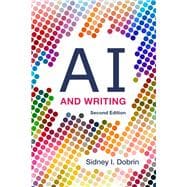
    AI and Writing Knetbooks.com $27.51 Check Price
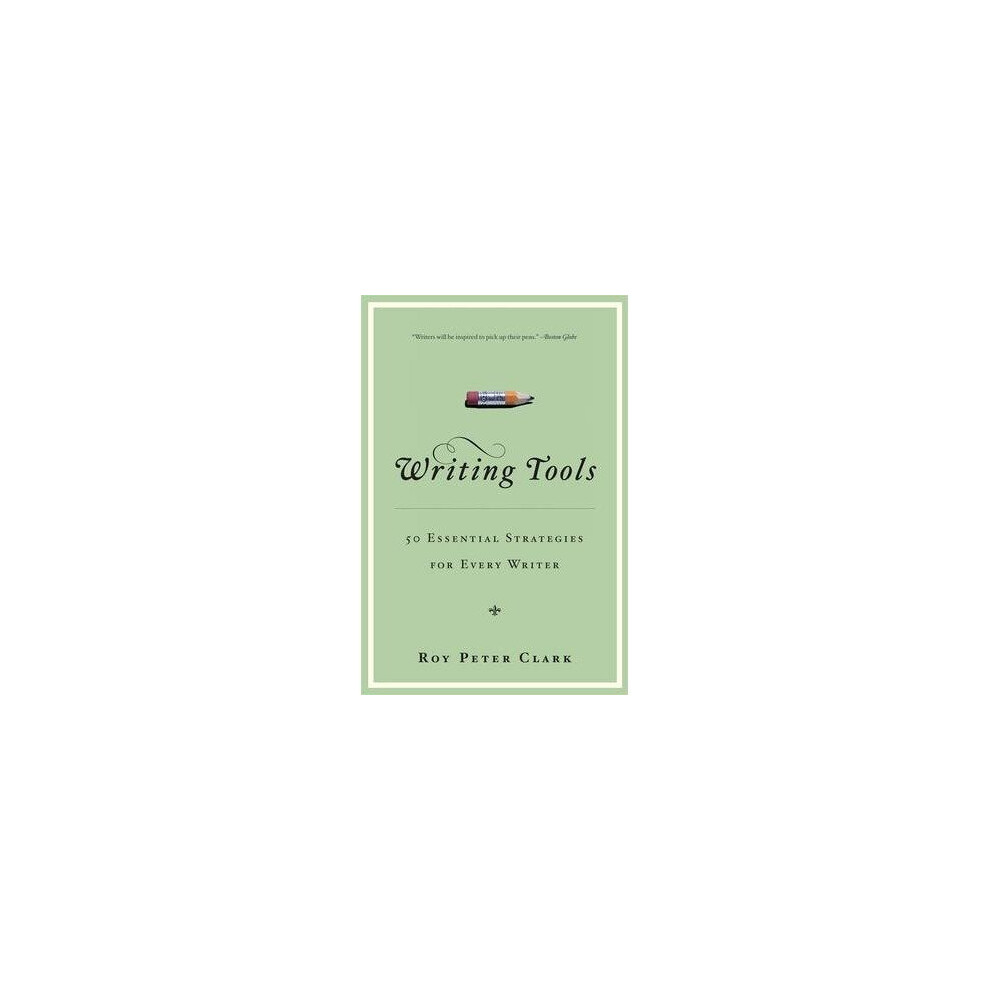
    Writing Tools OnBuy.com $12.63 Check Price
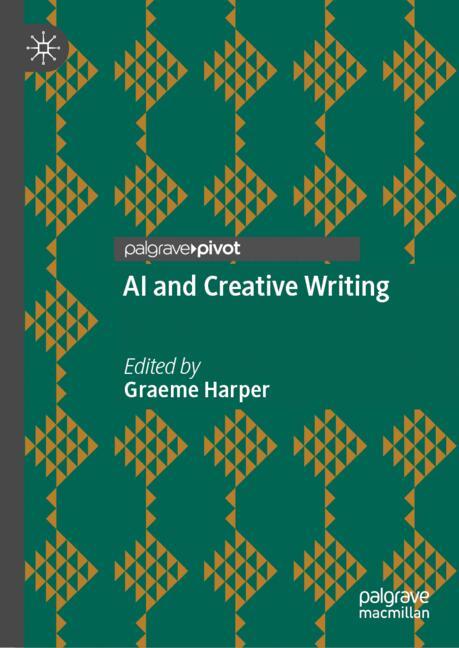
    AI and Creative Writing SpringerLink Shop INT $38.00 Check Price
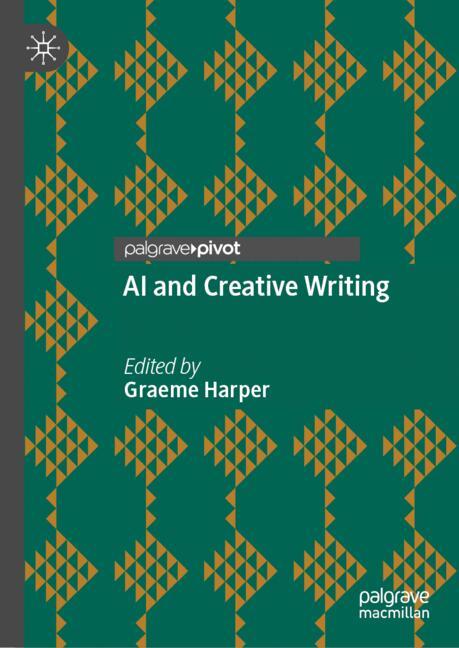
    AI and Creative Writing Springer Nature Author $47.50 Check Price

    The landscape of content creation is undergoing a seismic shift. As we approach the next era of digital communication, finding the best AI writing tools has become a necessity rather than a luxury for students, researchers, and authors alike. However, the market is currently flooded with software and educational resources, making it difficult to distinguish between simple grammar checkers and deep, transformative instructional guides that can truly elevate your prose.

    When deciding which AI writing tools to buy, you shouldn’t just look at the hype. You need to consider the depth of the curriculum, the authority of the publisher, and whether the resource focuses on technical academic precision or the fluid nuances of creative storytelling. A tool that helps you write a scientific paper is fundamentally different from one designed to help you draft a fantasy novel.

    This guide is designed for academics, professional writers, and students who are looking for more than just a “generate” button. We have reviewed a curated selection of specialized resources and instructional eBooks to help you handle the complex world of AI-assisted composition. Whether you are looking for the top AI writing tools 2026 to integrate into your workflow or seeking deep-dive educational materials, this AI writing tools review will provide the clarity you need.

    Pricing Comparison Overview

    Product Price Best For Rating
    Utilizing AI Tools in Academic Research Writing $185.62 PhD Students & Researchers 4.9/5
    AI and Writing (Knetbooks) $27.51 General Learners 4.5/5
    Writing Tools (OnBuy) $12.63 Budget Enthusiasts 4.2/5
    AI and Creative Writing (SpringerLink) $38.00 Fiction Authors 4.7/5
    AI and Creative Writing (Springer Nature) $47.50 Professional Authors 4.8/5

    Head-to-Head Comparison: Academic vs. Creative Focus

    When deciding between specialized resources, the biggest dilemma is often “Academic Precision vs. Creative Flow.” For instance, if we compare Utilizing AI Tools in Academic Research Writing against AI and Creative Writing by SpringerLink Shop INT, the difference in utility is stark. The VitalSource eBook is a high-investment, high-reward resource focused on the rigors of citation, data integrity, and formal structure. It is an essential manual for those whose work will undergo peer review.

    In contrast, the SpringerLink Shop INT resource focuses on the imaginative application of AI. While the academic text teaches you how to maintain human oversight in technical documentation, the creative writing guide explores how to use LLMs to brainstorm plot points and character arcs. If you are a novelist, the academic text will feel overly restrictive, whereas the creative guide might lack the technical depth required for a thesis. Your choice should depend entirely on whether your output is measured by factual accuracy or narrative engagement.

    Utilizing AI Tools in Academic Research Writing (eBook) by VitalSource

    This is a premium, comprehensive deep-look at the intersection of large language models and formal scholarship. It covers everything from literature reviews to the ethical implications of automated drafting. The instructional quality is unparalleled, making it a cornerstone for anyone in higher education. While the price point is higher than others on this list, the depth of information regarding academic integrity is worth the investment.

    Utilizing AI Tools in Academic Research Writing (eBook)

    Utilizing AI Tools in Academic Research Writing (eBook)

    by VitalSource

    $185.62

    Check Price →

    Best for: Researchers, PhD candidates, and University Professors.

    Pros

    • Extremely detailed academic frameworks
    • Focuses heavily on ethical AI usage
    • High authority publisher

    Cons

    • High price point
    • Steep learning curve for non-academics

    AI and Writing by Knetbooks.com

    Knetbooks provides a fantastic middle-ground resource for those who want to understand the mechanics of AI without the heavy academic jargon. This guide is highly accessible and focuses on the practical application of writing technologies in a modern context. It serves as an excellent primer for professionals looking to modernize their workflow. The value for the price makes it a standout choice for general learners.

    AI and Writing

    AI and Writing

    by Knetbooks.com

    $27.51

    Check Price →

    Best for: General learners and office professionals.

    Pros

    • Very affordable
    • Easy-to-understand language
    • Practical, actionable advice

    Cons

    • Lacks deep technical specialization
    • Less focus on creative prose

    Writing Tools by OnBuy.com

    If you are looking for a low-cost entry point into the world of digital writing aids, this is an excellent budget option. It provides a foundational overview of various tools available in the current market. While it may not offer the deep pedagogical insights of the Springer or VitalSource titles, it is a great way to familiarize yourself with the landscape of available software. It is perfect for those who want a quick overview without a large financial commitment.

    Writing Tools

    Writing Tools

    by OnBuy.com

    $12.63

    Check Price →

    Best for: Budget shoppers and beginners.

    Pros

    • Extremely low cost
    • Great for a quick overview
    • No prior knowledge required

    Cons

    • Limited depth of content
    • Not a comprehensive manual

    AI and Creative Writing by SpringerLink Shop INT

    This resource is a specialized guide designed for the modern storyteller. It explores how generative AI can be used as a collaborative partner in the creative process, rather than a replacement for human creativity. The content is structured to help authors navigate plot development and stylistic experimentation. It is a must-have for anyone looking to integrate new tech into their fiction writing workflow.

    AI and Creative Writing

    AI and Creative Writing

    by SpringerLink Shop INT

    $38.00

    Check Price →

    Best for: Fiction writers and hobbyist authors.

    Pros

    • Focuses on narrative techniques
    • Encourages human-AI collaboration
    • Great for brainstorming

    Cons

    • Not suitable for technical writing
    • May be too “experimental” for formal use

    AI and Creative Writing by Springer Nature Author

    While similar in subject matter to the SpringerLink version, this edition from Springer Nature Author offers a slightly more professional and polished perspective. It is tailored toward authors who are looking to publish professionally and need to understand the nuances of AI in a commercial publishing environment. The depth of insight into the “authorial voice” is particularly impressive and provides significant value for serious writers.

    AI and Creative Writing

    AI and Creative Writing

    by Springer Nature Author

    $47.50

    Check Price →

    Best for: Professional authors and content creators.

    Pros

    • High-quality professional insights
    • Excellent for publishing-focused authors
    • Strong emphasis on style

    Cons

    • Slightly more expensive than the basic version
    • Requires a dedicated interest in publishing

    How We Picked

    To determine the best AI writing tools and educational resources, our team utilized a rigorous four-pillar evaluation process. First, we assessed Authority, looking at the reputation of the publishers (such as Springer and VitalSource) to ensure the information was scientifically or professionally sound. Second, we evaluated Utility, determining whether the resource provided actionable techniques or merely theoretical concepts. Third, we looked at Versatility, checking if the tool/guide could be applied across different writing genres. Finally, we performed a Value Analysis, comparing the depth of content against the retail price to ensure our readers get the most bang for their buck.

    Frequently Asked Questions

    Can AI writing tools replace human writers?

    No. The most effective way to use these tools is as a “co-pilot.” As seen in the Springer reviews, the goal is to use AI to enhance brainstorming and structure while the human writer maintains control over tone, emotion, and factual accuracy.

    Are these resources suitable for students?

    Absolutely. Specifically, the VitalSource eBook is tailored for academic research, making it an invaluable asset for students navigating the complexities of modern research methodologies.

    Which is the best value for money?

    If you are on a tight budget, the OnBuy.com “Writing Tools” offers the lowest entry cost. However, for those seeking a balance of price and depth, Knetbooks.com provides the most accessible professional development.

    Where to Buy / Best Deals

    If you are ready to upgrade your writing capabilities, here is where you can find the best deals currently available:

    • For Academic Excellence: Secure the Utilizing AI Tools in Academic Research Writing eBook via VitalSource. It is the gold standard for researchers.
    • For Professional Fiction: Look for AI and Creative Writing by Springer Nature Author on the Springer Nature official store for the most up-to-date professional edition.
    • For Budget Learning: Check OnBuy.com for the most affordable introductory writing tool guides.
    • For General Skill Building: Visit Knetbooks.com to find great deals on the “AI and Writing” instructional series.

    Conclusion

    After a thorough AI writing tools review, our top pick for the best overall resource is AI and Creative Writing by Springer Nature Author. While it requires a slightly higher investment, the combination of professional authority, practical application for modern publishing, and the ability to enhance your unique authorial voice makes it the most transformative purchase for anyone serious about the future of writing.


  • How To Build An Automated Content Pipeline With Ai

    How To Build An Automated Content Pipeline With Ai

    You know that feeling when you sit down to write a blog post, but instead of writing, you spend two hours hunting for a trending topic, another hour outlining, and then realize you still have to format it for social media? It’s exhausting. Most creators spend 80% of their time on the “grunt work” of content production and only 20% on the actual creative thinking. But what if you could flip that ratio?

    Pipeline for Automated Code Generation from Backlog Items (PACGBI)

    Building an automated content pipeline isn’t about letting a robot run your entire brand while you sleep. It is about creating a repeatable system where AI handles the repetitive tasks—like research, drafting, and distribution—so you can focus on the strategy and the final polish. I’ve spent months testing different workflows, and I want to show you how to set this up without needing a degree in computer science.

    The Architecture of a Content Pipeline

    Before we talk about specific apps, we need to understand the structure. A pipeline consists of four distinct stages: Ideation, Creation, Optimization, and Distribution. If you try to automate everything at once, you’ll end’s up with a mountain of generic, low-quality garbage. The goal is to automate the heavy lifting while keeping a “human-in-the-loop” at every critical junction.

    Think of it like an assembly line. You need a way to feed raw ideas into the system, a way to transform those ideas into long-form text, a way to check that the text is actually good, and finally, a way to push that text out to your newsletter, LinkedIn, and blog.

    Stage 1: Automated Ideation and Research

    The hardest part of writing is the blank page. To automate this, you need a system that monitors trends and feeds them into a database. You can use tools like Feedly combined with Zapier to watch specific RSS feeds or Google News alerts. When a new relevant article appears, Zapier can automatically send the summary to a Notion database.

  • Perplexity AI: Great for real-time research and finding cited sources.
  • Feedly: Acts as your primary news aggregator.
  • Notion: Serves as your central “brain” where all ideas live.
  • Stage 2: The Drafting Engine

    Once an idea is in your Notion database, this is where the heavy lifting happens. You can use Make.com (an automation platform) to trigger a prompt in OpenAI’s GPT-4o. The prompt should instruct the AI to look at your research notes and generate a structured outline or a first draft. This isn’t a replacement for writing, but it gives you a 70% finished document to work with.

    Comparing the Best AI Writing Tools

    When building your pipeline, you’ll likely look for an alternative to standard ChatGPT. While ChatGPT is great for chatting, dedicated writing platforms often have better workflows for long-form content. Here is an AI tool comparison to help you decide which fits your budget and needs.

    Tool Name Best For Pricing Tier Key Feature
    Jasper Marketing Campaigns Starts at ~$39/mo Brand voice memory
    Copy.ai Social Media & Short Form Free tier available Workflow automation
    Writesonic SEO-optimized Articles Starts at ~$16/mo Real-time web search
    Claude (Anthropic) Long-form, Human-like tone Free & $20/mo Massive context window

    If you are looking at pricing, keep in mind that the cost of running a high-volume pipeline can add up. Using the OpenAI API via Make.com is often much cheaper than paying for a monthly subscription to a premium writing tool if you are only processing a few dozen articles a month.

    Optimizing for Search and Readability

    An automated draft is useless if nobody finds it. This is why the “Optimization” stage is non-negotiable. Once your draft is generated, you need to run it through an SEO auditor. Tools like SurferSEO or Frase can analyze your text against the top-ranking results on Google. They will tell you exactly which keywords you missed and how to structure your headers to rank higher.

    You can actually automate parts of this too. You can set up a workflow where, once a document is marked “Ready” in Notion, it is sent to an SEO tool for a quick audit. This ensures that the content leaving your pipeline is already structurally sound.

    Automating the Distribution Loop

    The final step is getting your content in front of people. This is where most creators fail—they write great stuff but forget to promote it. You can build a “Content Atomization” workflow. This involves taking one long-form blog post and breaking it down into:

    Using Make.com, you can set a trigger so that when a new post is published on your WordPress site, the AI reads the post, generates these social snippets, and saves them as drafts in your social media scheduler like Buffer or Hootsuite. This keeps your social presence active without you having to manually copy-paste every single day.

    Summary of the Workflow Setup

    1. Trigger: A new topic is added to Notion via Feedly/Zapier.
    2. Action: Make.com sends the topic to GPT-4o for an outline.
    3. Action: The outline is expanded into a draft and saved back to Notion.
    4. Review: You manually edit the draft for personality and accuracy.
    5. Distribution: The final text is pushed to WordPress and social media drafts.

    Building this system takes time upfront, but the payoff is massive. You stop being a slave to the content calendar and start acting like an editor-in-chief. If you want to scale your brand without burning out, you have to stop doing everything manually.

    Ready to start building? Start small. Don’t try to automate your whole brand overnight. Pick one single task—like generating social media captions from your blog posts—and automate that first. Once you see how much time it saves, the rest will follow.

    Our Top Picks

    Products we recommend:

    1. How to Build an Insect

    How to Build an Insect

    How to Build an Insect

    by Knetbooks.com

    $14.84

    Check Price →

    2. Leadership Pipeline: How to Build the Leadership Powered Company

    Leadership Pipeline: How to Build the Leadership Powered Company

    Leadership Pipeline: How to Build the Leadership Powered Company

    by Audiobooks.com

    $10.00

    Check Price →

    3. What If We Got AI Right? (How to stop catastrophising and build an ethical future),What If We Got AI Right? (How to stop catastrophising and build an

    What If We Got AI Right? (How to stop catastrophising and build an ethical future),What If We Got AI Right? (How to stop catastrophising and build an

    What If We Got AI Right? (How to stop catastrophising and build an ethical future),What If We Got AI Right? (How to stop catastrophising and build an

    by Martinus.cz

    $414.00

    Check Price →

  • Shift Handoff Best Practices For Home Healthcare

    Shift Handoff Best Practices For Home Healthcare

    Picture this: You’ve just finished a grueling twelve-hour shift. Your feet ache, your brain feels like mush, and all you want to do is drive home and sleep. Just as you’re about to clock out, the incoming nurse walks in. You start talking, but halfway through, you realize you forgot to mention that Mr. Henderson’s blood pressure was spiking during his afternoon snack. Suddenly, you’re second-guessing everything else you just said. This feeling of “did I miss something?” is exactly what we want to avoid during a shift change.

    Service Design Practices for Healthcare Innovation

    In home healthcare, the handoff is much more than just a quick chat. It is the critical bridge that ensures patient safety remains intact when the person responsible for their care changes. Unlike a hospital setting where everyone is under one roof, home healthcare happens in unpredictable environments. Information can easily get lost in the gaps between visits, making a structured handoff process your most reliable tool for preventing errors.

    Why a standardized handoff matters for patient safety

    When handoffs are messy, patients pay the price. We aren’t just talking about minor inconveniences; we are talking about missed medication doses, unrecognized wound infections, or failure to report a change in cognitive status. A lack of consistency during shift changes creates “information silos” where vital data lives only in one person’s head rather than in the official record.

    Standardizing this process does a few key things:

    • Reduces the cognitive load on the incoming caregiver.
    • Creates a paper trail of clinical observations.
    • Minimizes the chance of human error during high-stress transitions.
    • Builds trust between team members and families.

    Essential elements of a high-quality handoff

    A good handoff isn’t just a summary of the day; it is a strategic transfer of clinical intelligence. To make sure nothing slips through the cracks, every handoff should include a specific set of data points. If you find yourself rambling, try using a structured framework to keep your thoughts organized.

    The clinical snapshot

    Start with the basics. Every handoff needs a clear identification of the patient, their primary diagnosis, and any recent changes in their baseline health. If a patient with congestive heart failure has gained two pounds overnight, that is the first thing the next person needs to know.

    Medication and wound updates

    Medication management is one of the highest-risk areas in home care. You must communicate any missed doses, side effects observed, or changes in administration instructions. Similarly, if you are managing wound care, provide specific details on drainage, odor, or size changes. Don’t just say “the wound looks fine”—give the specifics.

    Environmental and social observations

    Since we work in the patient’s home, we see things hospital staff don’t. Did you notice the fridge was empty? Is the heating system working? Is the caregiver looking particularly burnt out? These social determinants of health are just as vital as clinical vitals because they directly impact the patient’s ability to recover.

    Frameworks you can use to stay organized

    If you struggle to know where to start when you begin talking, try adopting a recognized communication tool. These aren’t just for doctors; they work beautifully for home health aides, LPNs, and RNs alike.

    1. SBAR (Situation, Background, Assessment, Recommendation): This is the gold standard. State the current situation, provide the patient’s history, explain your clinical assessment, and end with what you think needs to happen next.
    2. ISBAR (Identification, Situation, Background, Assessment, Recommendation): This adds an “Identification” step at the start, which is helpful when managing multiple patients across different households.
    3. IPASS (Illness, Patient Summary, Action List, Situation, Self): This is a bit more detailed and focuses heavily on the “Action List,” making it great for complex cases involving multiple specialists.

    Common pitfalls to avoid during transitions

    Even with the best intentions, certain habits can sabotage your handoff. One of the biggest mistakes is relying solely on verbal communication. While talking is necessary, if it isn’t documented in the electronic health record (EHR), it essentially didn’t happen. Always follow up a verbal update with a quick note in the patient’s chart.

    Another trap is the “drive-by” handoff. This happens when a caregiver tries to squeeze in a summary while walking out the door or during a brief moment of chaos. If you don’t have the time to sit down and focus, it is better to schedule a formal time for the handoff. Interruptions are the enemy of accuracy.

    Lastly, avoid being too vague. Phrases like “they were doing okay” or “no major issues” don’t help the incoming professional. Be specific. Instead of “no major issues,” try “vitals remained within the patient’s normal range, and they reported no new pain.”

    Creating a culture of communication in your team

    Improving handoffs isn’t just about individual effort; it’s about how your entire agency operates. If you are in a leadership position, you can help by implementing standardized handoff templates within your documentation software. This nudges caregivers to include the necessary details without them having to remember a complex checklist every single time.

    Encourage an environment where it is okay to ask follow-up questions. The incoming caregiver should never feel like they are “bothering” the outgoing staff. In fact, the best teams are the ones where the incoming person feels empowered to say, “Wait, can you tell me more about that change in breathing?”

    Finally, consider regular audits of clinical notes. By reviewing how information is being passed along, you can identify patterns of missing data and address them through training rather than through reprimands. This turns the handoff from a chore into a cornerstone of quality care.

    Transitioning between shifts is one of the most vulnerable moments in the care continuum. By implementing a structured, documented, and thoughtful handoff process, you aren’t just making your job easier—you are providing the highest level of safety for the people who rely on you.

    Are you looking to improve the consistency of care within your home health agency? Start by reviewing your current handoff protocols and introducing a structured framework like SBAR to your team this week. Small changes in how we communicate can lead to massive improvements in patient outcomes.

    Our Top Picks

    Products we recommend:

    1. The Healthcare Consultant’s Handbook: Career Opportunities and Best Practices

    The Healthcare Consultant's Handbook: Career Opportunities and Best Practices

    The Healthcare Consultant’s Handbook: Career Opportunities and Best Practices

    by Knetbooks.com

    $28.51

    Check Price →

    2. The Healthcare Consultant’s Handbook: Career Opportunities and Best Practices

    The Healthcare Consultant's Handbook: Career Opportunities and Best Practices

    The Healthcare Consultant’s Handbook: Career Opportunities and Best Practices

    by KnihyDobrovsky.cz

    $1452.00

    Check Price →

    3. Comprehensive Healthcare Simulation: Implementing Best Practices in Standardized Patient Methodology

    Comprehensive Healthcare Simulation: Implementing Best Practices in Standardized Patient Methodology

    Comprehensive Healthcare Simulation: Implementing Best Practices in Standardized Patient Methodology

    by SpringerLink Shop INT

    $11439.00

    Check Price →

  • Best Personalized Gifts For Christmas

    Best Personalized Gifts For Christmas

    We have all been there. It is mid-December, the holiday lights are twinkling, and you are staring at your shopping list feeling completely stuck. You want to give something that actually means something, but every store you walk into seems to be selling the exact same generic scented candle or fuzzy pair of socks. If you want to avoid the “standard” gift pile this year, the secret is personalization. A custom gift tells the person, “I didn”t just grab this off a shelf; I actually thought about you.”

    1pc- Christmas Gift Bags, Custom Gift Bags, Christmas Eve Gift Bags, Christmas D

    Finding unique gifts that don’t break the bank can feel like a mission, but it is much easier than it sounds. Whether you are shopping for a picky partner, a sentimental grandparent, or a coworker, adding a name, a date, or a shared memory transforms an ordinary object into a keepsake. I have spent some time looking into what actually works, so let’s walk through some of the best ideas for this Christmas season.

    Thoughtful Keepsakes for Family and Grandparents

    When you are shopping for the elders in your family, the goal is usually sentimentality. They often value the memory attached to a gift more than the item itself. These are the types of presents that end up displayed on the mantle for years.

    Custom Family Illustration or Portraits

    If you have a photo that captures a perfect moment, you can have it turned into a custom digital illustration. You can find artists on various platforms who will recreate your family, including pets, in a beautiful watercolor or minimalist style. This is a high-impact gift that feels incredibly curated.

    • Price Range: $40 – $150
    • Best For: Grandparents, parents, or new homeowners.

    Personalized Photo Ornaments

    Since it is Christmas, why not lean into the tradition? Ceramic or wooden ornaments featuring a photo from a recent family vacation or a “first Christmas” milestone are top rated for a reason. They are easy to hang and serve as a yearly reminder of a specific moment in time.

    • Price Range: Under $25
    • Best For: Anyone who loves holiday decorating.

    Elevated Essentials for Partners and Spouses

    Dating or marriage requires a bit more effort when it comes to gifting. You want something that feels luxurious but also acknowledges your specific bond. Avoid the “generic luxury” trap and look for items that feature subtle, meaningful engravings.

    Engraved Jewelry and Timepieces

    A simple gold necklace with an initial or a leather-strap watch with a significant date engraved on the back is a classic move. The trick here is to keep the customization subtle. You don’t want a giant name plastered across the front; a small, hidden inscription often feels much more intimate.

    • Price Range: $50 – $300+
    • Best For: Significant others and anniversaries.

    Custom Leather Goods

    Leather wallets, passport holders, or even tech organizers look much more expensive when they are embossed with initials. If your partner is a frequent traveler, a monogrammed luggage tag is a practical yet stylish way to show you care about their comfort on their next trip.

    • Price Range: $30 – $100
    • Best For: The organized professional or the frequent flyer.

    Fun and Creative Ideas for Friends and Siblings

    Friends and siblings are usually the group where you can be a bit more playful. You don’t have to stick to the heavy emotional stuff; you can go for something funny, useful, or purely aesthetic.

    Personalized Drinkware and Barware

    Customized Yeti-style tumblers, etched wine glasses, or even beer mugs with a funny inside joke are great under $50. These are items people actually use every day, meaning they will think of your friendship every time they take a sip of coffee or a cocktail.

    • Price Range: $20 – $45
    • Best For: Best friends, siblings, or housewarming gifts.

    Customized Map Art

    Do you have a friend who moved away recently? Or maybe a sibling who lives in a city you visited together? A framed map of a specific coordinate or city skyline is a stunning piece of decor. It serves as a conversation starter and a way to bridge the distance between you.

    • Price Range: $35 – $80
    • Best For: Long-distance friends or recent graduates.

    Budget-Friendly Wins for Coworkers and Acquaintances

    Sometimes you have a long list of people to buy for, and you need to stay within a strict budget. You can still make an impression without spending a fortune. The key is to choose something functional that feels intentional.

    Monogrammed Stationery or Notebooks

    A nice hardcover journal with their name or initials on the cover is a fantastic gift for a colleague. It is professional, useful, and much more thoughtful than a standard notebook you would find at a grocery store checkout line.

    • Price Range: $15 – $30
    • Best For: Coworkers, teachers, or students.

    Customized Keychains and Tech Accessories

    Small items like leather keychains or personalized AirPod cases are great “stocking stuffer” style gifts. They are inexpensive but show that you put thought into finding something specifically for them.

    • Price Range: $10 – $25
    • Best For: Secret Santa exchanges or casual acquaintances.

    Tips for Successful Personalized Gifting

    Before you hit the “order” button, there are a few things you should keep in mind to ensure the gift is a hit. Personalization can go wrong if the details are messy or the spelling is off.

    1. Double-check the spelling: It sounds obvious, but there is nothing more awkward than a custom gift with a typo in the recipient’s name.
    2. Consider the lead time: Personalized items take longer to make. Do not wait until December 20th to order a custom portrait. Aim to have your orders placed by late November.
    3. Think about longevity: While a funny joke might be great now, will they still like that joke on a mug in three years? Try to balance humor with something timeless.
    4. Check the material quality: If you are ordering an engraved item, ensure the base material (like wood or metal) is high quality so the customization doesn’t peel or fade.

    Ultimately, the best gift is the one that shows you know the person. Whether it is a high-end piece of jewelry or a simple monogrammed keychain, the effort you put into selecting something specific to their personality is what truly matters. This year, skip the generic aisles and try something that tells a story.

    Ready to start your holiday shopping? Start making your list now so you have plenty of time to find those perfect, one-of-a-kind treasures!

    Our Top Picks

    Products we recommend:

    1. 1pc Customized Mugs, Best Friend Gifts, Gifts For Best Friends, Gifts For Her, Personalized Gifts, Best Friends, Gifts For Sisters, Best Friend Mugs,

    1pc Customized Mugs, Best Friend Gifts, Gifts For Best Friends, Gifts For Her, Personalized Gifts, Best Friends, Gifts For Sisters, Best Friend Mugs,

    1pc Customized Mugs, Best Friend Gifts, Gifts For Best Friends, Gifts For Her, Personalized Gifts, Best Friends, Gifts For Sisters, Best Friend Mugs,

    by SHEIN

    $192.00

    Check Price →

    2. Christmas Gifts, Christmas Gifts 2024 Christmas Gifts for Coworker Best Friend Teacher

    Christmas Gifts, Christmas Gifts 2024 Christmas Gifts for Coworker Best Friend Teacher

    Christmas Gifts, Christmas Gifts 2024 Christmas Gifts for Coworker Best Friend Teacher

    by Wayfair North America

    $96.99

    Check Price →

    3. Gifts for Mom, Best Mom Birthday Gifts – Personalized Engraved Bamboo Cutting Board – Mothers Day or Christmas

    Gifts for Mom, Best Mom Birthday Gifts - Personalized Engraved Bamboo Cutting Board - Mothers Day or Christmas

    Gifts for Mom, Best Mom Birthday Gifts – Personalized Engraved Bamboo Cutting Board – Mothers Day or Christmas

    by OnBuy.com

    $16.96

    Check Price →