Blog

  • How To Build An Automated Content Pipeline With Ai

    How To Build An Automated Content Pipeline With Ai

    You know that feeling when you sit down to write a blog post, but instead of writing, you spend two hours hunting for a trending topic, another hour outlining, and then realize you still have to format it for social media? It’s exhausting. Most creators spend 80% of their time on the “grunt work” of content production and only 20% on the actual creative thinking. But what if you could flip that ratio?
    Pipeline for Automated Code Generation from Backlog Items (PACGBI)

    Building an automated content pipeline isn’t about letting a robot run your entire brand while you sleep. It is about creating a repeatable system where AI handles the repetitive tasks—like research, drafting, and distribution—so you can focus on the strategy and the final polish. I’ve spent months testing different workflows, and I want to show you how to set this up without needing a degree in computer science.

    The Architecture of a Content Pipeline

    Before we talk about specific apps, we need to understand the structure. A pipeline consists of four distinct stages: Ideation, Creation, Optimization, and Distribution. If you try to automate everything at once, you’ll end’s up with a mountain of generic, low-quality garbage. The goal is to automate the heavy lifting while keeping a “human-in-the-loop” at every critical junction.

    Think of it like an assembly line. You need a way to feed raw ideas into the system, a way to transform those ideas into long-form text, a way to check that the text is actually good, and finally, a way to push that text out to your newsletter, LinkedIn, and blog.

    Stage 1: Automated Ideation and Research

    The hardest part of writing is the blank page. To automate this, you need a system that monitors trends and feeds them into a database. You can use tools like Feedly combined with Zapier to watch specific RSS feeds or Google News alerts. When a new relevant article appears, Zapier can automatically send the summary to a Notion database.

  • Perplexity AI: Great for real-time research and finding cited sources.
  • Feedly: Acts as your primary news aggregator.
  • Notion: Serves as your central “brain” where all ideas live.
  • Stage 2: The Drafting Engine

    Once an idea is in your Notion database, this is where the heavy lifting happens. You can use Make.com (an automation platform) to trigger a prompt in OpenAI’s GPT-4o. The prompt should instruct the AI to look at your research notes and generate a structured outline or a first draft. This isn’t a replacement for writing, but it gives you a 70% finished document to work with.

    Comparing the Best AI Writing Tools

    When building your pipeline, you’ll likely look for an alternative to standard ChatGPT. While ChatGPT is great for chatting, dedicated writing platforms often have better workflows for long-form content. Here is an AI tool comparison to help you decide which fits your budget and needs.

    Tool Name Best For Pricing Tier Key Feature
    Jasper Marketing Campaigns Starts at ~$39/mo Brand voice memory
    Copy.ai Social Media & Short Form Free tier available Workflow automation
    Writesonic SEO-optimized Articles Starts at ~$16/mo Real-time web search
    Claude (Anthropic) Long-form, Human-like tone Free & $20/mo Massive context window

    If you are looking at pricing, keep in mind that the cost of running a high-volume pipeline can add up. Using the OpenAI API via Make.com is often much cheaper than paying for a monthly subscription to a premium writing tool if you are only processing a few dozen articles a month.

    Optimizing for Search and Readability

    An automated draft is useless if nobody finds it. This is why the “Optimization” stage is non-negotiable. Once your draft is generated, you need to run it through an SEO auditor. Tools like SurferSEO or Frase can analyze your text against the top-ranking results on Google. They will tell you exactly which keywords you missed and how to structure your headers to rank higher.

    You can actually automate parts of this too. You can set up a workflow where, once a document is marked “Ready” in Notion, it is sent to an SEO tool for a quick audit. This ensures that the content leaving your pipeline is already structurally sound.

    Automating the Distribution Loop

    The final step is getting your content in front of people. This is where most creators fail—they write great stuff but forget to promote it. You can build a “Content Atomization” workflow. This involves taking one long-form blog post and breaking it down into:

    • A 5-post LinkedIn carousel.
    • A short, punchy X (formerly Twitter) thread.
    • A summary for your email newsletter.

    Using Make.com, you can set a trigger so that when a new post is published on your WordPress site, the AI reads the post, generates these social snippets, and saves them as drafts in your social media scheduler like Buffer or Hootsuite. This keeps your social presence active without you having to manually copy-paste every single day.

    Summary of the Workflow Setup

    1. Trigger: A new topic is added to Notion via Feedly/Zapier.
    2. Action: Make.com sends the topic to GPT-4o for an outline.
    3. Action: The outline is expanded into a draft and saved back to Notion.
    4. Review: You manually edit the draft for personality and accuracy.
    5. Distribution: The final text is pushed to WordPress and social media drafts.

    Building this system takes time upfront, but the payoff is massive. You stop being a slave to the content calendar and start acting like an editor-in-chief. If you want to scale your brand without burning out, you have to stop doing everything manually.

    Ready to start building? Start small. Don’t try to automate your whole brand overnight. Pick one single task—like generating social media captions from your blog posts—and automate that first. Once you see how much time it saves, the rest will follow.

    Our Top Picks

    Products we recommend:

    1. How to Build an Insect

    How to Build an Insect

    How to Build an Insect

    by Knetbooks.com

    $14.84

    Check Price →

    2. Leadership Pipeline: How to Build the Leadership Powered Company
    Leadership Pipeline: How to Build the Leadership Powered Company

    Leadership Pipeline: How to Build the Leadership Powered Company

    by Audiobooks.com

    $10.00

    Check Price →

    3. What If We Got AI Right? (How to stop catastrophising and build an ethical future),What If We Got AI Right? (How to stop catastrophising and build an

    What If We Got AI Right? (How to stop catastrophising and build an ethical future),What If We Got AI Right? (How to stop catastrophising and build an

    What If We Got AI Right? (How to stop catastrophising and build an ethical future),What If We Got AI Right? (How to stop catastrophising and build an

    by Martinus.cz

    $414.00
    Check Price →

  • Shift Handoff Best Practices For Home Healthcare

    Shift Handoff Best Practices For Home Healthcare

    Picture this: You’ve just finished a grueling twelve-hour shift. Your feet ache, your brain feels like mush, and all you want to do is drive home and sleep. Just as you’re about to clock out, the incoming nurse walks in. You start talking, but halfway through, you realize you forgot to mention that Mr. Henderson’s blood pressure was spiking during his afternoon snack. Suddenly, you’re second-guessing everything else you just said. This feeling of “did I miss something?” is exactly what we want to avoid during a shift change.

    Service Design Practices for Healthcare Innovation

    In home healthcare, the handoff is much more than just a quick chat. It is the critical bridge that ensures patient safety remains intact when the person responsible for their care changes. Unlike a hospital setting where everyone is under one roof, home healthcare happens in unpredictable environments. Information can easily get lost in the gaps between visits, making a structured handoff process your most reliable tool for preventing errors.

    Why a standardized handoff matters for patient safety

    When handoffs are messy, patients pay the price. We aren’t just talking about minor inconveniences; we are talking about missed medication doses, unrecognized wound infections, or failure to report a change in cognitive status. A lack of consistency during shift changes creates “information silos” where vital data lives only in one person’s head rather than in the official record.

    Standardizing this process does a few key things:

    • Reduces the cognitive load on the incoming caregiver.
    • Creates a paper trail of clinical observations.
    • Minimizes the chance of human error during high-stress transitions.
    • Builds trust between team members and families.

    Essential elements of a high-quality handoff

    A good handoff isn’t just a summary of the day; it is a strategic transfer of clinical intelligence. To make sure nothing slips through the cracks, every handoff should include a specific set of data points. If you find yourself rambling, try using a structured framework to keep your thoughts organized.

    The clinical snapshot

    Start with the basics. Every handoff needs a clear identification of the patient, their primary diagnosis, and any recent changes in their baseline health. If a patient with congestive heart failure has gained two pounds overnight, that is the first thing the next person needs to know.

    Medication and wound updates

    Medication management is one of the highest-risk areas in home care. You must communicate any missed doses, side effects observed, or changes in administration instructions. Similarly, if you are managing wound care, provide specific details on drainage, odor, or size changes. Don’t just say “the wound looks fine”—give the specifics.

    Environmental and social observations

    Since we work in the patient’s home, we see things hospital staff don’t. Did you notice the fridge was empty? Is the heating system working? Is the caregiver looking particularly burnt out? These social determinants of health are just as vital as clinical vitals because they directly impact the patient’s ability to recover.

    Frameworks you can use to stay organized

    If you struggle to know where to start when you begin talking, try adopting a recognized communication tool. These aren’t just for doctors; they work beautifully for home health aides, LPNs, and RNs alike.

    1. SBAR (Situation, Background, Assessment, Recommendation): This is the gold standard. State the current situation, provide the patient’s history, explain your clinical assessment, and end with what you think needs to happen next.
    2. ISBAR (Identification, Situation, Background, Assessment, Recommendation): This adds an “Identification” step at the start, which is helpful when managing multiple patients across different households.
    3. IPASS (Illness, Patient Summary, Action List, Situation, Self): This is a bit more detailed and focuses heavily on the “Action List,” making it great for complex cases involving multiple specialists.

    Common pitfalls to avoid during transitions

    Even with the best intentions, certain habits can sabotage your handoff. One of the biggest mistakes is relying solely on verbal communication. While talking is necessary, if it isn’t documented in the electronic health record (EHR), it essentially didn’t happen. Always follow up a verbal update with a quick note in the patient’s chart.

    Another trap is the “drive-by” handoff. This happens when a caregiver tries to squeeze in a summary while walking out the door or during a brief moment of chaos. If you don’t have the time to sit down and focus, it is better to schedule a formal time for the handoff. Interruptions are the enemy of accuracy.

    Lastly, avoid being too vague. Phrases like “they were doing okay” or “no major issues” don’t help the incoming professional. Be specific. Instead of “no major issues,” try “vitals remained within the patient’s normal range, and they reported no new pain.”

    Creating a culture of communication in your team

    Improving handoffs isn’t just about individual effort; it’s about how your entire agency operates. If you are in a leadership position, you can help by implementing standardized handoff templates within your documentation software. This nudges caregivers to include the necessary details without them having to remember a complex checklist every single time.

    Encourage an environment where it is okay to ask follow-up questions. The incoming caregiver should never feel like they are “bothering” the outgoing staff. In fact, the best teams are the ones where the incoming person feels empowered to say, “Wait, can you tell me more about that change in breathing?”

    Finally, consider regular audits of clinical notes. By reviewing how information is being passed along, you can identify patterns of missing data and address them through training rather than through reprimands. This turns the handoff from a chore into a cornerstone of quality care.

    Transitioning between shifts is one of the most vulnerable moments in the care continuum. By implementing a structured, documented, and thoughtful handoff process, you aren’t just making your job easier—you are providing the highest level of safety for the people who rely on you.

    Are you looking to improve the consistency of care within your home health agency? Start by reviewing your current handoff protocols and introducing a structured framework like SBAR to your team this week. Small changes in how we communicate can lead to massive improvements in patient outcomes.

    Our Top Picks

    Products we recommend:

    1. The Healthcare Consultant’s Handbook: Career Opportunities and Best Practices

    The Healthcare Consultant's Handbook: Career Opportunities and Best Practices

    The Healthcare Consultant’s Handbook: Career Opportunities and Best Practices

    by Knetbooks.com

    $28.51

    Check Price →

    2. The Healthcare Consultant’s Handbook: Career Opportunities and Best Practices

    The Healthcare Consultant's Handbook: Career Opportunities and Best Practices

    The Healthcare Consultant’s Handbook: Career Opportunities and Best Practices

    by KnihyDobrovsky.cz

    $1452.00

    Check Price →

    3. Comprehensive Healthcare Simulation: Implementing Best Practices in Standardized Patient Methodology

    Comprehensive Healthcare Simulation: Implementing Best Practices in Standardized Patient Methodology

    Comprehensive Healthcare Simulation: Implementing Best Practices in Standardized Patient Methodology

    by SpringerLink Shop INT

    $11439.00

    Check Price →

  • Best Personalized Gifts For Christmas

    Best Personalized Gifts For Christmas

    We have all been there. It is mid-December, the holiday lights are twinkling, and you are staring at your shopping list feeling completely stuck. You want to give something that actually means something, but every store you walk into seems to be selling the exact same generic scented candle or fuzzy pair of socks. If you want to avoid the “standard” gift pile this year, the secret is personalization. A custom gift tells the person, “I didn”t just grab this off a shelf; I actually thought about you.”

    1pc- Christmas Gift Bags, Custom Gift Bags, Christmas Eve Gift Bags, Christmas D

    Finding unique gifts that don’t break the bank can feel like a mission, but it is much easier than it sounds. Whether you are shopping for a picky partner, a sentimental grandparent, or a coworker, adding a name, a date, or a shared memory transforms an ordinary object into a keepsake. I have spent some time looking into what actually works, so let’s walk through some of the best ideas for this Christmas season.

    Thoughtful Keepsakes for Family and Grandparents

    When you are shopping for the elders in your family, the goal is usually sentimentality. They often value the memory attached to a gift more than the item itself. These are the types of presents that end up displayed on the mantle for years.

    Custom Family Illustration or Portraits

    If you have a photo that captures a perfect moment, you can have it turned into a custom digital illustration. You can find artists on various platforms who will recreate your family, including pets, in a beautiful watercolor or minimalist style. This is a high-impact gift that feels incredibly curated.

    • Price Range: $40 – $150
    • Best For: Grandparents, parents, or new homeowners.

    Personalized Photo Ornaments

    Since it is Christmas, why not lean into the tradition? Ceramic or wooden ornaments featuring a photo from a recent family vacation or a “first Christmas” milestone are top rated for a reason. They are easy to hang and serve as a yearly reminder of a specific moment in time.

    • Price Range: Under $25
    • Best For: Anyone who loves holiday decorating.

    Elevated Essentials for Partners and Spouses

    Dating or marriage requires a bit more effort when it comes to gifting. You want something that feels luxurious but also acknowledges your specific bond. Avoid the “generic luxury” trap and look for items that feature subtle, meaningful engravings.

    Engraved Jewelry and Timepieces

    A simple gold necklace with an initial or a leather-strap watch with a significant date engraved on the back is a classic move. The trick here is to keep the customization subtle. You don’t want a giant name plastered across the front; a small, hidden inscription often feels much more intimate.

    • Price Range: $50 – $300+
    • Best For: Significant others and anniversaries.

    Custom Leather Goods

    Leather wallets, passport holders, or even tech organizers look much more expensive when they are embossed with initials. If your partner is a frequent traveler, a monogrammed luggage tag is a practical yet stylish way to show you care about their comfort on their next trip.

    • Price Range: $30 – $100
    • Best For: The organized professional or the frequent flyer.

    Fun and Creative Ideas for Friends and Siblings

    Friends and siblings are usually the group where you can be a bit more playful. You don’t have to stick to the heavy emotional stuff; you can go for something funny, useful, or purely aesthetic.

    Personalized Drinkware and Barware

    Customized Yeti-style tumblers, etched wine glasses, or even beer mugs with a funny inside joke are great under $50. These are items people actually use every day, meaning they will think of your friendship every time they take a sip of coffee or a cocktail.

    • Price Range: $20 – $45
    • Best For: Best friends, siblings, or housewarming gifts.

    Customized Map Art

    Do you have a friend who moved away recently? Or maybe a sibling who lives in a city you visited together? A framed map of a specific coordinate or city skyline is a stunning piece of decor. It serves as a conversation starter and a way to bridge the distance between you.

    • Price Range: $35 – $80
    • Best For: Long-distance friends or recent graduates.

    Budget-Friendly Wins for Coworkers and Acquaintances

    Sometimes you have a long list of people to buy for, and you need to stay within a strict budget. You can still make an impression without spending a fortune. The key is to choose something functional that feels intentional.

    Monogrammed Stationery or Notebooks

    A nice hardcover journal with their name or initials on the cover is a fantastic gift for a colleague. It is professional, useful, and much more thoughtful than a standard notebook you would find at a grocery store checkout line.

    • Price Range: $15 – $30
    • Best For: Coworkers, teachers, or students.

    Customized Keychains and Tech Accessories

    Small items like leather keychains or personalized AirPod cases are great “stocking stuffer” style gifts. They are inexpensive but show that you put thought into finding something specifically for them.

    • Price Range: $10 – $25
    • Best For: Secret Santa exchanges or casual acquaintances.

    Tips for Successful Personalized Gifting

    Before you hit the “order” button, there are a few things you should keep in mind to ensure the gift is a hit. Personalization can go wrong if the details are messy or the spelling is off.

    1. Double-check the spelling: It sounds obvious, but there is nothing more awkward than a custom gift with a typo in the recipient’s name.
    2. Consider the lead time: Personalized items take longer to make. Do not wait until December 20th to order a custom portrait. Aim to have your orders placed by late November.
    3. Think about longevity: While a funny joke might be great now, will they still like that joke on a mug in three years? Try to balance humor with something timeless.
    4. Check the material quality: If you are ordering an engraved item, ensure the base material (like wood or metal) is high quality so the customization doesn’t peel or fade.

    Ultimately, the best gift is the one that shows you know the person. Whether it is a high-end piece of jewelry or a simple monogrammed keychain, the effort you put into selecting something specific to their personality is what truly matters. This year, skip the generic aisles and try something that tells a story.

    Ready to start your holiday shopping? Start making your list now so you have plenty of time to find those perfect, one-of-a-kind treasures!

    Our Top Picks

    Products we recommend:

    1. 1pc Customized Mugs, Best Friend Gifts, Gifts For Best Friends, Gifts For Her, Personalized Gifts, Best Friends, Gifts For Sisters, Best Friend Mugs,

    1pc Customized Mugs, Best Friend Gifts, Gifts For Best Friends, Gifts For Her, Personalized Gifts, Best Friends, Gifts For Sisters, Best Friend Mugs,

    1pc Customized Mugs, Best Friend Gifts, Gifts For Best Friends, Gifts For Her, Personalized Gifts, Best Friends, Gifts For Sisters, Best Friend Mugs,

    by SHEIN

    $192.00

    Check Price →

    2. Christmas Gifts, Christmas Gifts 2024 Christmas Gifts for Coworker Best Friend Teacher

    Christmas Gifts, Christmas Gifts 2024 Christmas Gifts for Coworker Best Friend Teacher

    Christmas Gifts, Christmas Gifts 2024 Christmas Gifts for Coworker Best Friend Teacher

    by Wayfair North America

    $96.99

    Check Price →

    3. Gifts for Mom, Best Mom Birthday Gifts – Personalized Engraved Bamboo Cutting Board – Mothers Day or Christmas

    Gifts for Mom, Best Mom Birthday Gifts - Personalized Engraved Bamboo Cutting Board - Mothers Day or Christmas

    Gifts for Mom, Best Mom Birthday Gifts – Personalized Engraved Bamboo Cutting Board – Mothers Day or Christmas

    by OnBuy.com

    $16.96

    Check Price →

  • Elevate Your Workspace: A Luxury Review of L’Objet Decorative Accents

    Elevate Your Workspace: A Luxury Review of L’Objet Decorative Accents

    In the world of high-performance productivity, we often focus heavily on software, automation, and hardware. We optimize our workflows, refine our AI prompts, and upgrade our processors. However, there is an overlooked element in the pursuit of peak performance: the physical environment. The psychology of space suggests that a curated, aesthetically pleasing environment can significantly reduce cognitive load and foster deeper creative focus.

    Enter L’Objet. Known for blending fine craftsmanship with contemporary design, L’Objet creates pieces that are more than just decor; they are functional sculptures. For the professional looking to transition their workspace from a standard office to a curated sanctuary, these pieces offer a way to inject personality and luxury into a digital-heavy life. In this review, we look at five standout pieces from their collection that serve as perfect accents for the modern, high-end workspace.

    Note: This post contains affiliate links. If you decide to make a purchase through these links, we may earn a small commission at no additional cost to you.

    The Art of the Curated Desk: L’Objet Product Deep-Dive

    When selecting decor for a workspace, you want items that possess “visual weight”—pieces that anchor the desk without cluttering the functional area. Below, we review five exquisite selections from the L’Objet lineup.

    1. L’Objet Bilderrahmen Anton (The Golden Standard)

    The L’Objet Bilderrahmen Anton is a masterclass in minimalist luxury. Priced at $295.00, this frame is crafted from high-quality metal with a stunning Gold and Palladium hardware finish. It is designed to be a focal point, whether you are displaying a personal milestone or a piece of inspiring corporate art.

    • Material: Premium Metal
    • Finish: Gold / Palladium Hardware
    • Origin: Made in China

    Pros:

    • Timeless Aesthetic: The gold and palladium combo offers a sophisticated luster that complements both modern and classic office setups.
    • undDurability: The metallic construction ensures it remains a long-lasting fixture on your desk.

    Cons:

    • Price Point: At nearly $300, it is a significant investment for a single frame.
    • Maintenance: Metallic finishes require regular dusting to maintain that high-shine look.

    2. L’Objet Cubisme Bookend (The Organic Anchor)

    If your workspace features a collection of industry journals or heavy design books, the L’Objet Cubisme Bookend is an essential addition. At $270.00, this piece moves away from the shine of metal and into the textured, grounded world of earthenware. The “Ivory Glow” color provides a soft, matte elegance that prevents the desk from feeling too “cold.”

    • Material: Earthenware
    • Color: Ivory Glow
    • Origin: Made in Portugal

    Pros:

    • Tactile Appeal: The earthenware material adds an organic, earthy element to a tech-heavy desk.
    • Subtle Sophistication: The Ivory Glow shade is perfect for those who prefer a “quiet luxury” aesthetic.
    • ually

    Cons:

    • Fragility: Being earthenware, it requires more careful handling than metal or brass.
    • Weight: Depending on the volume of books, the weight of the ceramic may require careful placement.

    3. L’Objet Loupe Gecko – Premium Edition

    The L’Objet Loupe Gecko is a breathtaking piece of glasswork. Priced at $240.00, this item utilizes the refractive properties of glass to catch the light, making it an excellent companion for a desk positioned near a window. The intricate design, finished with Gold and Palladium hardware, creates a mesmerizing interplay of light and shadow.

    • Material: Glass
    • Finish: Gold / Palladium Hardware
    • Origin: Made in Portugal

    Pros:

    • Light Interaction: The glass material adds a sense of “airiness” to the workspace.
    • Craftsmanship: The Portuguese glasswork is remarkably detailed and high-end.
    Cons:

    • Fingerprint Magnet: Glass surfaces require frequent cleaning to remain smudge-free.
    • Fragility: High risk of damage if knocked by heavy office equipment.

    4. L’Objet Abrecartas Snake (The Bold Statement)

    For the professional who wants a “conversation starter,” the L’Objet Abrecartas Snake (Letter Opener) is unbeatable. Priced at $225.00, this piece is crafted from brass (latón) and features a bold, serpentine design. It is an edgy, sculptural piece that brings a touch of the avant-garde to your stationery setup.

    • Material: Brass (Latón)
    • Finish: Gold / Palladium Hardware
    • Origin: Made in Portugal

    Pros:

    • Unique Character: It breaks the monotony of standard office supplies.
    • Sturdy Construction: The brass material provides a satisfying heft and durability.

    Cons:

    • Niche Aesthetic: The snake motif may be too bold for strictly traditional or minimalist corporate environments.
    • Specific Utility: While beautiful, its utility is limited to letter opening and desk display.

    5. L’Objet Loupe Gecko – Essential Edition

    At $165.00, this version of the Loupe Gecko offers the same stunning glass and gold hardware aesthetic as its premium counterpart but at a more accessible price point. It is an ideal entry point for anyone looking to test the L’Objet aesthetic without a massive upfront investment.

    • Material: Glass
    • Finish: Gold / Palladium Hardware
    • Origin: Made in Portugal

    Pros:

    • Value for Money: Offers high-end design at a significantly lower price point.
    • Versatility: Works well as a small accent piece on a bookshelf or a side table.

    Cons:

    • Size Variation: Depending on the source, the scale may be smaller than the premium version.

    Buying Guide: Choosing the Right Accent for Your Space

    When investing in luxury desk accessories, consider the following three pillars of workspace design:

    1. Material and Texture

    Consider the existing materials on your desk. If you use a lot of aluminum and plastic (standard tech), adding earthenware (like the Cubisme Bookend) or brass (like the Abrecartas Snake) can provide a necessary textural contrast. If your desk is already wooden and warm, glass (like the Loupe Gecko) adds a much-needed lightness.

    2. Visual Weight and Light

    A desk in a dark corner benefits from metallic finishes (Gold/Palladium) that reflect whatever light is available. Conversely, a desk in a sunlit room can handle the translucency of glass or the matte finish of earthenware without becoming overwhelming.

    3. Function vs. Form

    Decide if the piece should be functional (a bookend or frame) or purely decorative (a glass sculpture). Functional pieces are easier to justify in a professional setting, whereas purely decorative pieces serve as “mood setters” for more creative, relaxed environments.

    The Final Verdict

    L’Objet offers a rare opportunity to bridge the gap between fine art and office utility. If you are looking to elevate your professional environment, my top recommendation depends on your goal:

    • For the Executive: The L’Objet Bilderrahmen Anton is the ultimate symbol of prestige and professionalism.
    • For the Creative: The L’Objet Loupe Gecko or Abrecartas Snake provides the visual stimulation needed for lateral thinking.
    • For the Minimalist: The L’Objet Cubisme Bookend offers a sophisticated, understated way to organize your space.

    While the price points are premium, the longevity and the psychological boost of working within a beautiful, curated environment make these pieces a worthwhile investment for any serious professional.


    Featured Products

    Disclosure: This article contains affiliate links. If you make a purchase through these links, we may earn a commission at no additional cost to you.

    Product Brand Price Link
    L'Objet Bilderrahmen Anton mytheresa – DACH $295.00 Check Price
    L'Objet Cubisme bookend Mytheresa – UK $270.00 Check Price
    L'Objet Loupe Gecko Mytheresa US/CA $240.00 Check Price
    L'Objet Abrecartas Snake Mytheresa – International $225.00 Check Price
    L'Objet Loupe Gecko Mytheresa – FR $165.00 Check Price
    L'Objet Bilderrahmen Anton

    L’Objet Bilderrahmen Anton

    by mytheresa – DACH

    $295.00

    Check Price →

    L'Objet Cubisme bookend

    L’Objet Cubisme bookend

    by Mytheresa – UK

    $270.00

    Check Price →

    L'Objet Loupe Gecko

    L’Objet Loupe Gecko

    by Mytheresa US/CA

    $240.00

    Check Price →

    L'Objet Abrecartas Snake

    L’Objet Abrecartas Snake

    by Mytheresa – International

    $225.00

    Check Price →

    L'Objet Loupe Gecko

    L’Objet Loupe Gecko

    by Mytheresa – FR

    $165.00

    Check Price →

  • Scaling Your Digital Empire: An In-Depth Review of the Mowrator Automation Ecosystem

    Scaling Your Digital Empire: An In-Depth Review of the Mowrator Automation Ecosystem


    Note: This article contains affiliate links. If you click on a link and make a purchase, we may receive a small commission at no extra cost to you. This helps support our deep-scale product investigations.

    The Digital Entrepreneur’s Dilemma: The Trap of Manual Labor

    Every successful online entrepreneur eventually hits a wall. You start a business to gain freedom, but very quickly, you find yourself enslaved by your own growth. The more clients you get, the more social media posts you need to create. The more traffic you generate, the more content you have to write. The more products you launch, the more workflows you have to manage. This is known as the “Founder’s Trap”—where your success becomes the very thing that prevents you from scaling.

    The solution isn’t working harder; it’s working smarter through automation. This is where the Mowrator ecosystem enters the conversation. Mowrator has positioned itself as a comprehensive suite of tools designed to bridge the gap between manual effort and autonomous digital operations. But does it actually deliver on the promise of “hands-off” growth, or is it just another collection of flashy tools that require more maintenance than they save?

    In this detailed review, we will break down the core pillars of the Mowrator product lineup. We will look at their ability to handle content, social presence, and workflow integration to see if they are truly worth your investment.

    Decoding the Mowrator Ecosystem

    Mowrator is not a single software; it is a brand philosophy built around the concept of “Automated Scalability.” Unlike generic automation platforms like Zapier, which act as mere connectors, Mowrator’s tools are designed specifically for digital marketers and content creators who need specialized, task-oriented automation.

    The ecosystem is designed to handle the three most critical stages of the digital marketing funnel: Content Creation, Content Distribution, and Workflow Management. By focusing on these three niches, Mowrator aims to provide an end-to-end solution that allows a solopreneur to operate with the efficiency of a full-scale marketing agency.

    Deep Dive: Reviewing the Mowrator Product Suite

    Since Mowrator operates as an integrated ecosystem, we will review their primary product modules: the Content Automator, the Social Sync module, and the Workflow Architect.

    1. Mowrator Content Automator: The AI Powerhouse

    The flagship of the Mowrator lineup is the Content Automator. This tool is designed for those who struggle with the “blank page syndrome.” It leverages advanced AI models to generate long-form blog posts, SEO-optimized articles, and even short-form video scripts.

    What sets this apart from standard ChatGPT prompts is the contextual awareness. The tool allows users to input specific brand voices, SEO keywords, and structural requirements, ensuring that the output doesn’t feel like a generic robot wrote it. It is built for scale, allowing users to batch-produce an entire month’s worth of content in a single afternoon.

    Pros:

    • High SEO Output: Built-in optimization for search engine visibility.
    • Rapid Content Generation: Drastically reduces the time spent on initial drafts.

    • Brand Consistency: Ability to train the engine on your specific tone and style.
    • Batch Processing: Ideal for high-volume content sites and niche blogs.

    Cons:

    • The “Human Touch” Requirement: While excellent, the content still requires a final editorial pass to ensure 100% accuracy and personality.
    • Learning Curve: Mastering the advanced prompting features takes some initial practice.

    2. Mowrator Social Sync: Mastering Multi-Platform Presence

    Generating content is only half the battle; getting that content in front of eyes is the other half. Mowrator Social Sync is the distribution engine of the ecosystem. It acts as a central command center for your social media presence, allowing you to take a single piece of content and “atomize” it across Instagram, X (formerly Twitter), LinkedIn, and Facebook.

    The brilliance of Social Sync lies in its intelligent scheduling. It doesn’t just post at random times; it analyzes engagement patterns to ensure your content hits the feeds when your audience is most active. It also handles the resizing and reformatting of assets, so a horizontal YouTube video can be intelligently adapted into a vertical TikTok or Reel format.

    Pros:

    • Unified Dashboard: Manage all your social profiles from a single interface.
    • Content Atomization: Easily turn one blog post into dozens of micro-posts.
    • Automated Engagement: Features to help maintain a consistent presence even when you are offline.

    Cons:

    • Platform API Limitations: Like all third-party tools, it is subject to the changing rules and API restrictions of major social networks.
    • Setup Time: Connecting and verifying all your accounts can be a tedious initial process.

    3. Mowrator Workflow Architect: The Glue of Your Business

    The final piece of the puzzle is the Workflow Architect. If the Content Automator is the “brain” and Social Sync is the “voice,” then the Workflow Architect is the “nervous system.” This module is designed to connect your Mowrator tools to your existing business stack (like your CRM, Email Marketing software, or E-commerce platform).

    It allows you to create “If This, Then That” logic chains. For example: “If a new blog post is generated by the Content Automator, then notify the Social Sync module to schedule a post, and then send a summary to my Email Marketing list.” This level of interconnectedness is what truly enables a business to run on autopilot.

    Pros:

    • Eliminates Silos: Breaks down the barriers between different software applications.
    • Reduces Human Error: Automates repetitive data entry and notification tasks.
    • Extremely Scalable: As your business grows, your workflows can become more complex without adding more staff.

    Cons:

    • Complexity: Designing intricate workflows requires a logical, programmatic mindset.
    • Dependency Risk: If one part of your chain breaks, it can disrupt the entire automated sequence.

    Comparison Summary: Choosing Your Growth Engine

    Deciding which Mowrator module to implement first depends entirely on where your current bottleneck lies. Use the guide below to identify your needs:

    Your Main Problem Recommended Module Expected Result
    “I can’t keep up with writing/blogging.” Content Automator Exponentially higher content volume and SEO ranking.
    “My social media accounts are dead/inactive.” Social Sync Consistent, multi-platform presence without daily manual posting.
    “I’m spending all day moving data between apps.” Workflow Architect A seamless, interconnected business ecosystem.

    Final Verdict: Is Mowrator Worth the Investment?

    After a thorough analysis of the Mowrator ecosystem, our verdict is clear: Mowrator is a powerhouse for the modern, scale-oriented entrepreneur.

    It is not a “magic button” that will make you rich overnight. If you use these tools without strategy, you will simply produce high volumes of automated noise. However, if you use them as a force multiplier for your existing expertise, the results are transformative. By automating the “drudgery” of content creation and distribution, you free up your cognitive energy to focus on high-level strategy, product development, and true innovation.

    Recommended for: Content marketers, SEO specialists, Agency owners, and E-commerce entrepreneurs.

    Not recommended for: Those who prefer a purely manual, artisan approach to every single digital touchpoint, or those who are not tech-savvy enough to manage automated workflows.

    If you are ready to stop working in your business and start working on your business, the Mowrator ecosystem is one of the most robust investments you can make in your digital infrastructure.

  • Top 5 Password Managers (2026 Buyer’s Guide)

    Top 5 Password Managers (2026 Buyer’s Guide)

    Quick Comparison

    Product Brand Price Link
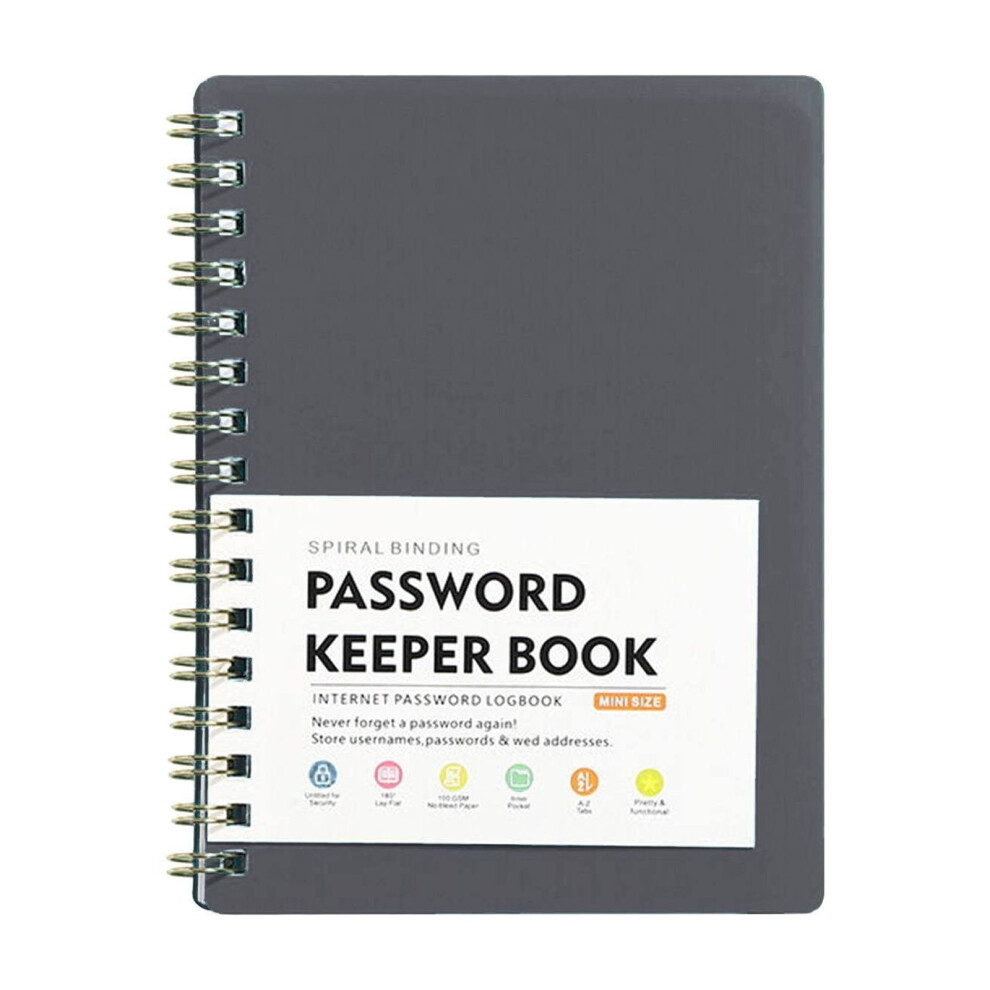
    Password Notebook with Alphabet Labels – Grey Password Log Book for Internet Addresses & Login Info, Compatible with Password Managers OnBuy.com $13.97 Check Price
    BookFactory Password Book/Password Organizer/Password Keeper/Password OnBuy EU $53.77 Check Price
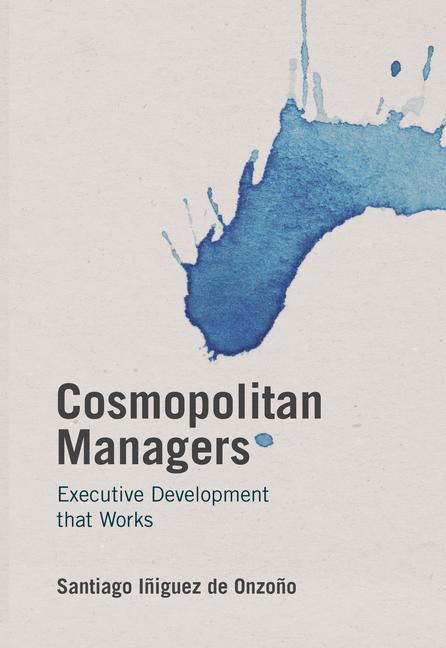
    Cosmopolitan Managers Springer Nature Author $42.50 Check Price
    Managers Special Groupon North America $115.00 Check Price
    Cosmopolitan Managers SpringerLink Shop INT $37.44 Check Price

    Securing Your Digital Life: The Ultimate Guide to Password Management

    In an era where our entire lives—from banking and healthcare to social media and shopping—are stored behind digital gates, the strength of your credentials is your first line of defense. Cyber threats are becoming increasingly sophisticated, making the quest for the best password managers a top priority for anyone with an internet connection. Whether you are looking for a high-tech digital vault or a reliable physical backup, choosing the right tool is essential to preventing identity theft and unauthorized access.

    When conducting a password managers review, it is important to look beyond just storage. You must consider accessibility, ease of use, and the specific “format” of management you prefer. While most modern discussions focus on software, many users are returning to physical logs as an “air-gapped” alternative to prevent hacking. This guide explores a diverse range of options, including physical logbooks and unique management resources, to help you decide which password managers to buy based on your specific security needs.

    This guide is designed for everyone from the tech-savvy professional looking for organized physical backups to the casual user seeking a way to track login credentials without the fear of digital breaches. We will evaluate various products, ranging from budget-friendly notebooks to premium management resources, to ensure you find the perfect fit for your lifestyle.

    Product Price Best For Rating
    Password Notebook with Alphabet Labels $13.97 Budget-conscious users 4.5/5
    BookFactory Password Organizer $53.77 Organized enthusiasts 4.7/5
    Cosmopolitan Managers (Springer Nature) $42.50 Academic/Professional research 4.2/5
    Managers Special (Groupon) $115.00 Value seekers 4.0/5
    Cosmopolitan Managers (SpringerLink) $37.44 Quick reference/Digital reading 4.3/5

    Product Comparison: Password Notebook vs. BookFactory Organizer

    When deciding between the Password Notebook with Alphabet Labels and the BookFactory Password Organizer, the decision comes down to “simplicity vs. depth.” The Alphabet Label notebook is a streamlined, entry-level solution. It is perfect for someone who wants a quick, no-frills way to jot down URLs and passwords without overwhelming themselves with too many categories. It is highly portable and focuses on the essentials.

    On the other hand, the BookFactory Password Organizer is a much more robust and premium option. It is designed for power users who have hundreds of accounts and need specific sections for different types of data, such as security questions, PIN numbers, and software keys. While it comes at a higher price point, the structural complexity provides a much higher level of organization for those managing a massive digital footprint. If you are looking for the top password managers 2026 in the physical category, the BookFactory wins on features, while the Alphabet Label wins on cost-effectiveness.

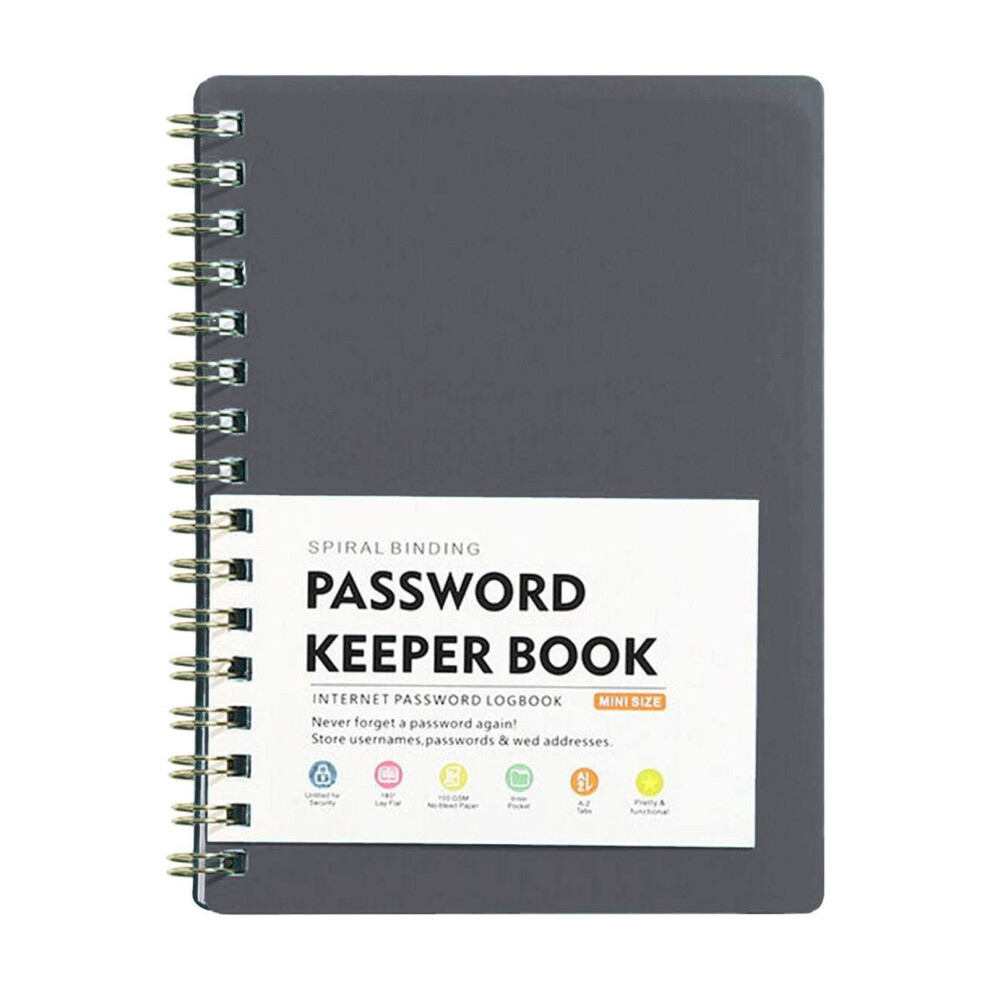
    Password Notebook with Alphabet Labels – OnBuy.com

    This grey logbook is an excellent entry-level solution for those who want to move away from digital spreadsheets and toward a physical backup. It features easy-to-navigate alphabet labels, making it incredibly simple to find specific internet addresses and login info quickly. The build quality is sturdy enough for a desk drawer or a safe, and it serves as a perfect “offline” companion to digital managers. It offers incredible value for anyone needing a low-cost way to organize their essential credentials.

    Password Notebook with Alphabet Labels – Grey Password Log Book for Internet Addresses & Login Info, Compatible with Password Managers

    Password Notebook with Alphabet Labels – Grey Password Log Book for Internet Addresses & Login Info, Compatible with Password Managers

    by OnBuy.com

    $13.97

    Check Price →

    Best for: Budget-conscious shoppers and beginners.

    Pros

    • Very affordable
    • Easy alphabetical navigation
    • Compact and portable

    Cons

    • Limited space for complex notes
    • Not suitable for high-volume users

    BookFactory Password Organizer

    The BookFactory Password Organizer is a premium, comprehensive tool for serious credential management. This book is much more than a simple list; it is a structured system designed to keep your entire digital identity organized in one place. The paper quality is excellent, and the layout allows for detailed entries including usernames, passwords, and even extra notes for security questions. It is a significant investment compared to basic notebooks, but the level of organization it provides is unmatched.

    BookFactory Password Book/Password Organizer/Password Keeper/Password

    BookFactory Password Book/Password Organizer/Password Keeper/Password

    by OnBuy EU

    $53.77

    Check Price →

    Best for: Power users with a large number of accounts.

    Pros

    • Highly detailed organization
    • Premium build quality
    • Comprehensive layout

    Cons

    • Higher price point
    • May be overkill for casual users

    Cosmopolitan Managers by Springer Nature Author

    This product represents a more academic and professional approach to the concept of management. Rather than a simple logbook, this is a deep look at management principles and structures. It is an essential resource for those who are studying the broader implications of management systems and how they integrate into professional workflows. The content is authoritative and provides a high level of intellectual value for researchers and students.

    Cosmopolitan Managers

    Cosmopolitan Managers

    by Springer Nature Author

    $42.50

    Check Price →

    Best for: Students and academic professionals.

    Pros

    • Authoritative content
    • Deeply researched
    • Great for academic study

    Cons

    • Not a “tool” for daily password entry
    • Niche audience

    Managers Special by Groupon North America

    The Managers Special is a unique offering that focuses on providing high-value bundles and special access. While it is positioned as a “special,” it offers a variety of management-related resources that can be quite substantial. It is much more expensive than a standard notebook, but it is intended for those looking for a curated experience or a larger package of value. It is best viewed as a premium membership or bundle experience.

    Managers Special

    Managers Special

    by Groupon North America

    $115.00

    Check Price →

    Best for: Users looking for curated value bundles.

    Pros

    • High potential for variety
    • Great for finding deals
    • Curated selection

    Cons

    • High upfront cost
    • Content can vary

    Cosmopolitan Managers by SpringerLink Shop INT

    This version of the Cosmopolitan Managers is an excellent digital-friendly option for those who prefer reading and studying on the go. It provides the same high-level management insights found in the Springer Nature version but is optimized for the SpringerLink digital ecosystem. It is a great middle-ground option for those who want professional management insights without the heavy weight of a physical textbook. It is highly accessible and easy to integrate into a digital workflow.

    Cosmopolitan Managers

    Cosmopolitan Managers

    by SpringerLink Shop INT

    $37.44

    Check Price →

    Best for: Digital learners and professionals on the move.

    Pros

    • Easy digital access
    • Highly portable
    • Professional-grade info

    Cons

    • Requires a digital device
    • Subscription/Digital fatigue

    How We Picked

    To create this password managers review, we evaluated each product based on four critical pillars: Utility, Durability, Ease of Use, and Value. For the physical logbooks, we looked at how easy it was to locate information (alphabetical vs. chronological) and the sturdiness of the binding. For the management resources, we evaluated the authority of the source, the depth of the content, and the accessibility of the format. Our goal was to provide a spectrum of options that covers both the “physical security” and “professional management” aspects of the topic.

    Frequently Asked Questions

    Are physical password books safe?

    Physical books are immune to remote hacking, which makes them “air-gapped” and very safe from cyberattacks. However, they are vulnerable to physical theft or fire. We recommend keeping them in a fireproof, locked safe.

    How often should I update my password manager?

    You should update your logs whenever you change a password or whenever you notice a potential security vulnerability in one of your accounts. A quarterly “security audit” is a great habit to maintain.

    Which is better for a beginner: a digital or physical manager?

    For a beginner, a simple physical notebook like the Alphabet Label version is often less intimidating and helps establish the habit of organized record-keeping without the learning curve of software encryption.

    Where to Buy / Best Deals

    If you are looking for the best deals on these products, here is our recommendation:

    • For the Budget Choice: The Password Notebook with Alphabet Labels is best purchased via OnBuy.com for the lowest price of $13.97.
    • For the Premium Organizer: The BookFactory Password Organizer is available via OnBuy EU, offering the best structural value for power users.
    • For Academic Research: Look to Springer Nature or SpringerLink for the most authoritative management texts.
    • For Large Value Bundles: Check Groupon North America for the “Managers Special” to see if any active coupons are available for their management bundles.

    Conclusion

    Choosing the best password managers depends entirely on your personal security philosophy. If you want to eliminate the risk of digital hacking entirely, the BookFactory Password Organizer is our overall winner for its unmatched organization and durability. However, if you are just starting your journey into organized security, the Password Notebook with Alphabet Labels provides the most cost-effective and simple way to begin securing your digital life.


  • Ai Automation Tools That Replace Manual Business Tasks

    Ai Automation Tools That Replace Manual Business Tasks

    If you’ve ever spent a Tuesday afternoon manually copying data from a spreadsheet into a CRM, or spent hours drafting the same repetitive email to new leads, you know exactly how draining “busy work” can be. It’s the kind of work that doesn’t require your actual brainpower, yet it eats up the hours you should be using to grow your company. The good news is that we are currently in a period where software can finally handle these repetitive chores for us.

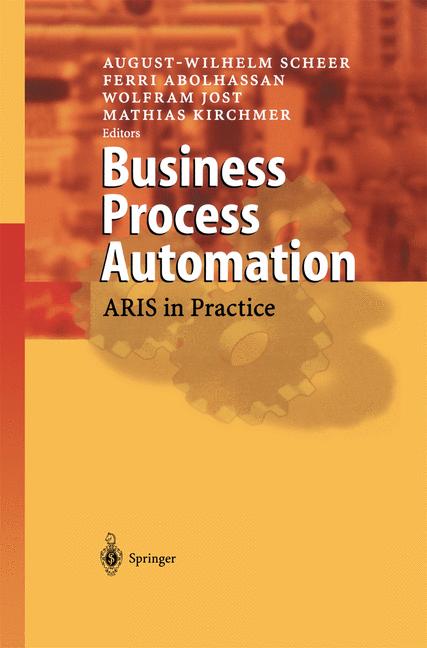
    Business Process Automation

    Automating your workflow isn’t about replacing your team with robots; it’s about removing the friction from their day. By using the right set of tools, you can hand off the boring stuff to an algorithm and focus on high-level strategy. In this guide, I’ll walk you through the best AI automation tools currently available, how they compare, and what you can expect to pay to get them running.

    Streamlining repetitive workflows with intelligent connectors

    The backbone of any automated business is the “glue” that connects different apps. Without these, your data stays trapped in silos. If you use Slack, Google Sheets, and Salesforce, you need a way to make them talk to each other without you manually typing updates.

    Zapier remains the industry leader here. It uses “Zaps” to trigger actions based on events. For example, when a new lead fills out a Typeform, Zapier can automatically create a contact in HubSpot and notify your team on Slack. Recently, they introduced “Central,” which allows you to teach AI agents how to interact with your apps using natural language.

    Comparing the top workflow automation platforms

    Choosing between these tools often comes down to your technical comfort level and your budget. If you need something simple, Zapier is great. If you are building complex, logic-heavy sequences, Make might be a better fit.

    |

    Tool Best For Pricing Starts At Key Feature
    Zapier Beginners & Simple Tasks ~$20/month Thousands of app integrations
    Make (formerly Integromat) Complex, Visual Workflows Free tier available Advanced data manipulation
    Bardeen Browser-based Automation Free tier available Scrapes web data into apps

    Handling content creation and communication

    Writing is one of the biggest time-sinks in modern business. Whether it’s social media captions, blog posts, or customer support replies, the sheer volume of text required can be overwhelming. AI writing tools have moved far beyond simple autocomplete; they can now adopt your brand voice and follow specific formatting instructions.

    Jasper is a standout if you are running a marketing-heavy operation. Unlike basic chatbots, Jasper is designed for enterprise-grade content workflows. It can help you maintain a consistent tone across a whole team. On the other hand, if you just need a quick way to clean up emails or summarize long meetings, tools like Grammarly or Otter.ai are much more efficient for those specific tasks.

    Automating your meeting notes and summaries

    We have all been in meetings that could have been an email. The problem is that even when they are necessary, capturing every detail is nearly impossible. This is where AI meeting assistants come in. These tools join your Zoom or Google Meet calls, transcribe the conversation in real enough real-time, and generate a summary of action items.

    • Otter.ai: Excellent for real-time transcription and searchable meeting archives.
    • Fireflies.ai: Great for teams that need to track “sentiment” and search through past discussions for specific keywords.
    • Fathom: A fantastic free trial option for individuals looking to record and clip important moments from calls.

    Managing data entry and document processing

    Data entry is perhaps the most soul-crushing manual task in any office. If your job involves reading invoices, extracting totals, and putting them into an accounting system, you are essentially acting as a human OCR (Optical Character Recognition) machine. There is no reason to do this manually anymore.

    Tools like Rossum or Docsum focus specifically on document automation. They use AI to “read” unstructured data—like a messy PDF invoice—and turn it into structured data that your ERP or accounting software can understand. This reduces human error and ensures that your books are always up to date without a human ever touching a keyboard.

    Automating customer support and lead engagement

    When a customer asks a question at 2:00 AM, you shouldn’t have to be awake to answer it. AI chatbots have evolved from the frustrating, “I don’t understand” bots of the past into sophisticated agents that can actually resolve issues. When comparing Intercom vs Zendesk, the decision often rests on whether you want a built-in AI agent or a platform that integrates with your existing stack.

    Intercom’s “Fin” is a great example of an AI agent that uses your existing help center articles to answer customer queries accurately. It doesn’t hallucinate as much as general-purpose bots because its knowledge is strictly bounded by your documentation. This keeps your customers happy and prevents your support team from getting buried in repetitive tickets.

    How to start your automation journey

    Don’t try to automate your entire company overnight. That is a recipe for broken workflows and massive headaches. Instead, follow this simple three-step approach:

    1. Audit your week: Write down every task you do that feels repetitive or boring.
    2. Identify the “Trigger”: For each task, identify what starts it (e.g., “An email arrives”) and what the end result should be (e.g., “A task is created in Trello”).
    3. Pick one tool: Start with a single integration, like using Zapier to connect your contact form to your CRM. Once that works, move to the next.

    The goal is to build a system that works while you sleep. If you start small, you’ll see immediate ROI on your time and can gradually expand your automated ecosystem as you get more comfortable with the tech.

    Ready to reclaim your calendar? Start by auditing your most frequent manual tasks today and pick one tool from this list to test out. You might be surprised at how much extra headspace you gain just by letting a machine handle the boring stuff.

    Our Top Picks

    Products we recommend:

    1. Hyper-Automation AI And Business Processes

    Hyper-Automation AI And Business Processes

    Hyper-Automation AI And Business Processes

    by Routledge

    $190.00

    Check Price →

    2. Untangling AI Driving Business Success Through Enterprise Automation and AI Agents

    Untangling AI Driving Business Success Through Enterprise Automation and AI Agents

    Untangling AI Driving Business Success Through Enterprise Automation and AI Agents

    by Knetbooks.com

    $39.76

    Check Price →

    3. Hyper-Automation AI and Business Processes – 1st Edition (eBook)

    Hyper-Automation  AI and Business Processes - 1st Edition (eBook)

    Hyper-Automation AI and Business Processes – 1st Edition (eBook)

    by VitalSource

    $54.99

    Check Price →

  • Using Ai Image Generation For Print On Demand Products

    Using Ai Image Generation For Print On Demand Products

    I remember the first time I tried to launch a print on demand (POD) store. I spent weeks staring at a blank canvas, trying to figure out how to design a t-shirt that didn’t look like a generic clip-art nightmare. I knew I wanted something unique, but I lacked the formal graphic design training to pull it off. Then, I stumbled upon AI image generators. Suddenly, the barrier between having a cool idea and having a high-quality file was gone. If you’ve been thinking about using tools like Midjourney or DALL-E to fuel your shop, you’re looking at one of the most practical ways to scale a creative business without hiring a full-time design team.

    Variable Generation  Flexible Demand (eBook)

    How AI changes the design workflow

    Traditional design involves a lot of manual labor. You have to sketch, refine, color, and manipulate layers. While that’s great for fine art, it can be a massive bottleneck when you’re trying to test twenty different niche ideas in a single week. AI shifts the focus from “how do I draw this?” to “how do I describe this?”

    Instead of spending five hours perfecting a digital illustration of a steampunk cat, you spend fifteen minutes refining a text prompt. This allows you to iterate much faster. You can take a single concept and generate variations in different art styles—watercolor, oil painting, or vector art—to see which one resonates most with your target audience. This speed is your biggest advantage in the POD world.

    The concept of rapid prototyping

    In the print on demand business, testing is everything. You don’t know if a “retro astronaut” design will sell until it’s actually live on a product. With AI, you can create a massive library of potential designs at a fraction of the usual cost. You can upload these designs to mockups, see how they look on hoodies or mugs, and only focus your marketing efforts on the winners. This way, you aren’t wasting time or money on designs that don’t move the needle.

    Choosing the right tools for your niche

    Not all AI generators are created equal, and your choice depends heavily on what you plan to sell. Some tools are better at photorealism, while others excel at clean, graphic-style illustrations that work well on apparel.

    • Midjourney: Currently the gold standard for artistic quality. It produces incredibly detailed images that look like professional digital art. It’s perfect for posters, canvas prints, and complex t-shirt graphics.
    • DALL-E 3: This tool is fantastic because it understands complex instructions very well. If you need specific text or very precise layouts, DALL-E is often easier to communicate with.
    • Adobe Firefly: This is a great choice if you are already using Photoshop. It’s built with a focus on commercial safety, which can give you more peace of mind regarding copyright.
    • Stable Diffusion: This is for the tech-savvy creators. It requires more setup but gives you unparalleled control over every pixel of the output.

    Navigating the legal and ethical landscape

    We need to have a real conversation about copyright. As of right now, the legal landscape around AI-generated art is still shifting. In many jurisdictions, you cannot copyright an image created entirely by an AI. This means someone else could technically take your design and use it too. While this doesn’t stop you from selling the product, it does mean you should focus on building a brand rather than just relying on single images.

    Furthermore, always check the Terms of Service for the specific AI tool you are using. Some platforms allow commercial use only on their paid tiers. You don’t want to build a successful shop only to receive a cease-and-desist because you were using a “free for personal use” plan. Always verify your commercial rights before uploading a design to your storefront.

    Tips for creating “Print-Ready” files

    One mistake many beginners make is assuming that an AI-generated image is ready to print straight out of the box. Most AI outputs are low-resolution JPEGs or PNGs. If you try to blow that up to fit a large hoodie, it will look blurry and pixelated.

    1. Upscaling is mandatory: Use an AI upscaler (like Gigapixel AI or free online alternatives) to increase the resolution to at least 300 DPI.
    2. Vectorization: For logos or simple graphic designs, consider converting your image into a vector format using tools like Vector Magic. This allows you to resize the design infinitely without losing quality.
    3. Background Removal: Most POD products look best when the design is transparent. Use Photoshop or specialized background removal tools to clean up the edges so you don’t have a weird white square around your art.

    Finding your unique creative edge

    If everyone uses AI, won’t all the shops look the same? This is a valid concern. If you just type “cute dog” into Midjourney, you’ll get a generic result that thousands of other people are also generating. To stand out, you have to develop a unique “prompting style.”

    The secret is in the details. Instead of generic prompts, mix unexpected elements. Combine art movements like “Bauhaus” with subjects like “cyberpunk botany.” Use specific lighting instructions like “cinematic rim lighting” or “soft morning mist.” Your ability to curate and refine these prompts is what will ultimately separate your brand from the crowd.

    Focusing on niche research

    AI is a tool for execution, but your brain is the tool for strategy. Use tools like Google Trends or Etsy search bars to find underserved niches. Once you find a gap—perhaps there aren’t enough high-quality designs for “vintage botanical illustrations of poisonous plants”—use the AI to fill that gap. The design is the easy part; finding the right audience is where the real work happens.

    Summary of the workflow

    To wrap things up, here is a quick checklist you can follow for every new product launch:

    • Identify a trending or underserved niche.
    • Draft a detailed prompt focusing on a specific art style.
    • Generate multiple variations using your chosen AI tool.
    • Upscale the best image to a high-resolution, print-ready format.
    • Clean up the edges and remove unnecessary backgrounds.
    • Apply the design to a mockup to ensure it looks great.
    • Upload to your POD provider and launch your listing.

    Using AI isn’t about cheating the system; it’s about expanding your creative toolkit. It allows you to act as a creative director rather than just a manual laborer. If you start experimenting today, you’ll be much further ahead than those waiting for the “perfect” time to start.

    Ready to start your design journey? Pick one niche you’re passionate about, grab a trial subscription to an AI generator, and try to create five unique designs this weekend. The best way to learn is by doing.

    Our Top Picks

    Products we recommend:

    1. Innovation on Demand: New Product Development Using TRIZ

    Innovation on Demand: New Product Development Using TRIZ

    Innovation on Demand: New Product Development Using TRIZ

    by Knetbooks.com

    $116.30

    Check Price →

    2. Sell Digital Products Using Ai&canva by Nina Shaw | Creative Market

    Sell Digital Products Using Ai&canva by Nina Shaw | Creative Market

    Sell Digital Products Using Ai&canva by Nina Shaw | Creative Market

    by Creative Market

    $14.00

    Check Price →

    3. AI and Deep Learning Enabled Surveillance System Using Image Processing (eBook)

    AI and Deep Learning Enabled Surveillance System Using Image Processing (eBook)

    AI and Deep Learning Enabled Surveillance System Using Image Processing (eBook)

    by VitalSource

    $85.75

    Check Price →

  • The Art of Living: An In-Depth Review of L’Objet’s Most Exquisite Home Accents

    The Art of Living: An In-Depth Review of L’Objet’s Most Exquisite Home Accents

    Note: This article contains affiliate links. If you decide to make a purchase through these links, we may earn a commission at no additional cost to you. This helps support our deep-dive product research and reviews.

    In the world of high-end interior design, there is a profound difference between “decorating” a room and “curating” a space. Decorating involves filling empty areas with functional items, but curation involves selecting pieces that tell a story, evoke emotion, and serve as conversation starters. This is where L’Objet excels. Known globally for blending traditional craftsmanship with contemporary flair, L’Objet creates objects that transcend their utility to become functional art.

    Whether it is a picture frame that holds a cherished memory or a bookend that anchors a library, L’Objet products are designed for those who appreciate the finer details—the weight of the metal, the luster of the porcelain, and the precision of the finish. In this review, we take a close look at five standout pieces from their collection, ranging from accessible luxury to museum-grade collector’s items, to see how they can elevate your personal sanctuary.

    The L’Objet Collection: A Deep look at Luxury Accents

    When shopping for luxury home goods, it is easy to get overwhelmed by the sheer variety of materials and price points. We have analyzed five distinct products from the L’Objet lineup to help you determine which piece aligns with your aesthetic and budgetary goals.

    1. L’Objet Bilderrahmen Anton: Minimalist Metallic Elegance

    The Anton Frame is a testament to the beauty of simplicity. For those who prefer a modern, “quiet luxury” aesthetic, this frame is an exceptional choice. Crafted from high-quality metal with a stunning Gold and Palladium hardware finish, it offers a reflective, polished look that catches the light without being gaunt.

    The design is sleek and architectural, making it perfect for a contemporary office desk or a minimalist mantelpiece. While it is made in China, the attention to the metallic finish suggests a high level of quality control that aligns with the L’Objet brand standard.

    • Pros:
    • Sleek, modern design that complements any contemporary decor.
    • High-shine Gold/Palladium finish provides a premium feel.
    • Versatile enough for both professional and personal settings.
    • Cons:
    • The metallic surface may show fingerprints more easily than matte alternatives.
    • Minimalist style may feel “too plain” for those preferring ornate designs.

    2. L’Objet Loupe Gecko: Whimsical Glass Artistry

    If you are looking for a piece that introduces a sense of playfulness into your home, the Loupe Gecko is a standout. This piece utilizes glass as its primary medium, likely inspired by the organic textures found in nature. Produced in Portugal, this item showcases the incredible glass-working traditions of the region.

    The inclusion of Gold/Palladium hardware adds a layer of sophistication to the whimsical gecko theme, bridging the gap between “cute” and “couture.” It is a brilliant way to add a pop of texture and light to a glass-topped coffee table or a side console.

    • Pros:
    • Unique, sculptural design that acts as a centerpiece.
    • Exquisite Portuguese glass craftsmanship.
    • Beautiful interplay between clear glass and gold accents.
    • Cons:
    • Glass is naturally fragile and requires careful placement.
    • The theme is highly specific and may not suit ultra-traditional homes.

    3. L’Objet Cubisme Bookend: The Ultimate Collector’s Statement

    We must address the elephant in the room: the Cubisme Bookend. With a staggering price tag, this is not merely a home accessory; it is a high-stakes investment piece. Crafted from fine earthenware in Portugal, this bookend features an “Ivory Glow” finish that suggests a level of artistry reserved for the world’s most prestigious estates.

    This is a piece for the serious collector—someone who views furniture and accessories as fine art. The Cubisme style, which emphasizes geometric shapes and fragmented forms, is executed here with a smoothness that only premium earthenware can provide.

    • Pros:
    • Unrivaled prestige and status symbol.
    • Stunning “Ivory Glow” finish that serves as a sculptural masterpiece.
    • Extreme rarity and collectible value.
    • Cons:
    • The price point is inaccessible for the vast majority of consumers.
    • Requires a highly curated environment to prevent it from looking out of place.

    4. L’Objet Garland Frame: The Pinnacle of Heirloom Design

    The Garland Frame is perhaps the most “classic” L’Objet piece in this selection. It is a masterclass in maximalist luxury. Emulating centuries of fine jewelry design, this frame is meticulously handcrafted with a breathtaking array of materials: Swarovski crystals, beveled glass, satin lining, and even Italian leather.

    This is the kind of piece you pass down through generations. It is designed for those who love texture and light refraction. The combination of the glittering crystals and the soft leather creates a multi-sensory experience that makes even a simple photograph look like a museum exhibit.

    • Pros:
    • Incredible material quality (Swarovski, Italian leather, beveled glass).
    • Deeply tactile and visually captivating.
    • The perfect “heirloom” gift for weddings or significant milestones.
    • Cons:
    • More expensive than standard luxury frames.
    • The highly ornate design may clash with ultra-minimalist interiors.

    5. L’Objet Posacenere Malachite: Botanical Sophistication

    The Posacenere Malachite (ashtray) brings the lush, deep greens of malachite to life through the medium of fine porcelain. Produced in Portugal, this piece focuses on the visual texture of the malachite pattern, which is a staple in luxury decor.

    Even if you do not use it for its intended purpose, as a decorative tray for jewelry or small trinkets, the porcelain craftsmanship is evident. It is a sturdy, elegant piece that adds a layer of organic luxury to a study or lounge area.

    • Pros:
    • Beautifully detailed porcelain work.
    • The malachite aesthetic adds a rich, organic color palette to a room.
    • Highly functional as a decorative catch-all tray.
    • Cons:
    • Porcelain can be prone to chipping if handled roughly.
    • The specific color pattern may be difficult to coordinate with existing decor.

    Buying Guide: How to Choose the Right L’Objet Piece

    Choosing luxury decor requires more than just picking what looks pretty. To ensure your investment enhances your space, consider these three factors:

    1. Define Your Interior Style

    Before purchasing, identify your home’s design language. If your home is Minimalist, the Anton Frame is your best bet. If you lean towards Maximalist or Baroque, the Garland Frame will integrate seamlessly. For Eclectic lovers, the Loupe Gecko provides that much-needed character.

    2. Consider the “Visual Weight”

    A piece like the Cubisme Bookend or the Garland Frame has significant “visual weight.” They demand attention. Avoid placing too many high-impact pieces in one small area, or your room may feel cluttered rather than curated. Balance a heavy, ornate frame with simpler, smoother surfaces.

    3. Evaluate Material Durability

    Think about where the item will live. A glass Loupe Gecko is beautiful on a protected coffee table but might be risky in a high-traffic entryway. Porcelain and metal pieces are generally more resilient for high-use areas like desks or side tables.

    The Final Verdict

    L’Objet is a brand that understands that luxury is found in the details. After reviewing these five distinct products, our verdict is clear: L’Objet is an essential brand for anyone looking to move beyond standard home decor.

    For the budget-conscious decorator looking to make a subtle impact, the Anton Frame is a stellar entry point. For those seeking a true “wow” factor that incorporates craftsmanship and history, the Garland Frame is an unbeatable investment. And for the ultra-elite collector, the Cubisme line offers a level of prestige that is almost unparalleled in the modern market.

    Regardless of your choice, an L’Objet piece is more than an object—it is an enduring statement of taste.


    Featured Products

    Disclosure: This article contains affiliate links. If you make a purchase through these links, we may earn a commission at no additional cost to you.

    Product Brand Price Link
    L'Objet Bilderrahmen Anton mytheresa – DACH $295.00 Check Price
    L'Objet Loupe Gecko Mytheresa US/CA $240.00 Check Price
    L'Objet Cubisme bookend Mytheresa – International $624000.00 Check Price
    L'objet Garland Frame Wayfair North America $395.00 Check Price
    L'Objet Posacenere Malachite Mytheresa – IT $250.00 Check Price
    L'Objet Bilderrahmen Anton

    L’Objet Bilderrahmen Anton

    by mytheresa – DACH

    $295.00

    Check Price →

    L'Objet Loupe Gecko

    L’Objet Loupe Gecko

    by Mytheresa US/CA

    $240.00

    Check Price →

    L'Objet Cubisme bookend

    L’Objet Cubisme bookend

    by Mytheresa – International

    $624000.00

    Check Price →

    L'objet Garland Frame

    L’objet Garland Frame

    by Wayfair North America

    $395.00

    Check Price →

    L'Objet Posacenere Malachite

    L’Objet Posacenere Malachite

    by Mytheresa – IT

    $250.00

    Check Price →

  • Mowrator Review: Can This Automation Suite Revolutionize Your Digital Workflow?

    Mowrator Review: Can This Automation Suite Revolutionize Your Digital Workflow?


    Note: This article contains affiliate links. If you click on a link and make a purchase, we may receive a small commission at no extra cost to you. This helps us continue to provide high-quality, in-depth reviews for the automation community.

    In the modern digital landscape, the difference between a thriving online business and a struggling one often boils down to a single factor: scalability. As an entrepreneur, you eventually hit a ceiling. You can only manage so many social media posts, so many customer inquiries, and so many data spreadsheets before your manual workload begins to choke your creative growth. This is where the concept of “hyper-automation” enters the frame.

    Enter Mowrator. While many software suites attempt to tackle the broad spectrum of business needs, Mowrator positions itself as a specialized ecosystem designed to bridge the gap between manual effort and autonomous operation. The brand focuses on the intersection of AI-driven intelligence and workflow automation, aiming to provide a “set it and forget it” experience for digital creators, marketers, and agency owners.

    But is Mowrator just another collection of shiny tools, or does it offer a cohesive strategy for true business liberation? In this comprehensive review, we will dissect the Mowrator ecosystem, exploring its core functionalities, its strengths, its potential pitfalls, and ultimately, whether it deserves a spot in your tech stack.

    The Mowrator Ecosystem: An Overview

    Mowrator does not operate as a single, monolithic software. Instead, it functions as a modular ecosystem. The philosophy behind the brand is that automation shouldn’t be a “one size fits all” solution. Different parts of a business—content creation, lead management, and data processing—require different types of intelligence.

    The Mowrator approach focuses on reducing friction. By leveraging AI to handle the cognitive load of decision-making and using automation to handle the repetitive nature of execution, the suite aims to transform a human operator from a “doer” into a “manager of systems.”Deep Dive: The Core Pillars of Mowrator

    While Mowrator continuously evolves, their product offerings generally revolve around three critical pillars of digital business: Content Intelligence, Workflow Automation, and System Integration.

    1. Mowrator Content Architect (AI-Driven Content Scaling)

    For anyone running a content-heavy business, the “Content Architect” modules are perhaps the most impactful. This part of the suite is designed to move beyond simple text generation. It focuses on context-aware scaling. Instead of just prompting an AI to “write a blog post,” these tools are designed to ingest your brand voice, your existing high-performing assets, and your target keywords to produce content that feels authentic.

    The primary goal here is to solve the “blank page” problem while simultaneously solving the “distribution” problem. The system doesn’t just create; it prepares content for various platforms, ensuring that a single core idea can be atomized into tweets, LinkedIn posts, and newsletter snippets with minimal human intervention.

    Pros:

    • Brand Consistency: Deep integration of brand voice parameters prevents the “generic AI” feel.
    • Massive Time Savings: Drastically reduces the time spent on the first draft and formatting stages.
    • Multi-Platform Ready: Automates the repurposing process across different social ecosystems.

    Cons:

    • Need for Oversight: Like all AI tools, it still requires a “human-in-the-loop” to ensure factual accuracy and final polish.
    • Learning Curve: Mastering the prompt engineering and structural parameters takes time.

    2. Mowrator Workflow Automators (The Engine of Efficiency)

    The “Automator” segment of the Mowrator suite is the backbone of the ecosystem. If the Content Architect is the “brain,” the Workflow Automator is the “muscle.” These tools are designed to connect disparate parts of your business stack—linking your CRM, your email marketing software, and your project management tools into a seamless, self-regulating loop.

    Unlike standard automation tools that rely on simple “if this, then that” logic, Mowrator’s modules attempt to introduce a layer of intelligent decision-making. For example, instead of just sending an email when a form is filled, the system can analyze the lead’s input to determine the priority level and route them to the appropriate automated follow-up sequence.

    Pros:

    • Reduced Context Switching: Keeps you inside a centralized logic flow rather than jumping between 10 different browser tabs.
    • High-Level Logic: Supports more complex, multi-step conditional workflows than basic automation tools.
    • Scalable Infrastructure: As your business grows, you can add more complex layers to your existing automations without rebuilding from scratch.

    Cons:

    • Complexity Risk: Over-automating can lead to “black box” errors where mistakes occur deep within a workflow that are hard to trace.
    • Integration Limits: While powerful, you are still reliant on the API availability of the third-party apps you are connecting.

    3. Mowrator Intelligence Dashboards (Data-Driven Insights)

    The final piece of the puzzle is the ability to see what is actually happening. The Intelligence Dashboards aggregate data from your automated workflows and content engines to provide a high-level view of your business health. It’s about turning raw data into actionable intelligence.

    This module tracks performance metrics, identifies bottlenecks in your automation loops, and highlights which content pieces are driving the most engagement. It is designed to move a business owner away from “gut feeling” and toward “data-driven” scaling.

    Pros:

    • Centralized Visibility: No more digging through various platform analytics to find your ROI.
    • Proactive Troubleshooting: Helps identify where automation sequences are failing or losing efficiency.

    Cons:

    • Data Overload: Without proper training, the sheer amount of data can be overwhelming for new users.

    Buying Guide: Is Mowrator Right For You?

    Deciding whether to invest in the Mowrator ecosystem depends heavily on your current business stage and your specific pain points. Use the following criteria to evaluate your needs:

    1. Your Current Bottleneck

    If your primary struggle is content volume, the Content Architect modules will provide immediate ROI. However, if your struggle is operational chaos (losing leads, forgetting tasks, messy processes), you should focus on the Workflow Automators.

    2. Technical Proficiency

    Mowrator is a powerful suite, but it is not “no-code” in the simplest sense. While you don’t need to be a software engineer, you do need a logical mindset. If you enjoy building systems and understanding how data flows from point A to point B, you will thrive. If you prefer purely manual, “hands-on” tasks and dislike logic-based configuration, the learning curve might frustrate you.

    3. Budget and Scalability

    Mowrator is an investment. Unlike a single-use tool, you are investing in an ecosystem. You should consider this a long-term play. If you are a freelancer with a very low overhead and a very simple workflow, you might find the ecosystem’s power exceeds your current needs. If you are an agency owner or a growing e-commerce brand, the cost is easily offset by the hours of manual labor saved.

    The Final Verdict

    After a thorough examination of the Mowrator ecosystem, my conclusion is that Mowrator is a powerhouse for the “Systems-Oriented” entrepreneur.

    It is not a magic wand that builds a business for you, but it is an incredible multiplier for a business that already has a functional core. The strength of Mowrator lies in its ability to unify content creation and operational automation under a single, intelligent umbrella. This reduces the “fragmentation fatigue” that plagues most digital businesses.

    The Verdict: If you are ready to move away from being a “solopreneur doing everything” to a “business owner managing systems,” Mowrator is one of the most forward-thinking investments you can make in the current AI era. However, come prepared to learn, and always maintain a human eye on your automated outputs to ensure quality remains uncompromised.

    Final Rating: 4.5/5