Category: Blog

Your blog category

  • Maximizing Human Performance: An In-Depth Review of Vitalheal’s Wellness Ecosystem

    Maximizing Human Performance: An In-Depth Review of Vitalheal’s Wellness Ecosystem


    Note: This post contains affiliate links. If you click and make a purchase, we may earn a commission at no extra cost to you. This helps support our mission to bring you the best reviews on productivity and optimization.

    In the world of digital entrepreneurship and AI-driven automation, we spend a massive amount of time discussing how to optimize our workflows, our software, and our marketing funnels. We look for every edge to increase efficiency and reduce friction. However, there is one critical piece of hardware that most of us neglect until it starts malfunctioning: our biological systems.

    You cannot run high-level cognitive tasks, manage complex automation workflows, or sustain long-term business growth if your physical health is in a state of constant “system error.” Chronic fatigue, brain fog, and burnout are the ultimate productivity killers. This is where the concept of “biological optimization” comes into play. Recently, the wellness industry has seen a surge in brands attempting to bridge the gap between traditional nutrition and high-performance biohacking. Vitalheal has emerged as a notable player in this space.

    In this comprehensive review, we will dissect the Vitalheal approach to health. We will explore their core product pillars—ranging from energy sustainment to cognitive focus—and determine whether these supplements are worth the investment for the modern, high-performing professional.

    The Vitalheal Philosophy: Science Meets Supplementation

    Before diving into specific product categories, it is essential to understand the brand’s underlying philosophy. Vitalheal does not position itself as a “quick fix” brand. Instead, they focus on the concept of foundational wellness. Their approach is built on the idea that by providing the body with specific, high-purity micronutrients, you can create a stable environment for your natural biological processes to function at their peak.

    For those of us who follow the “optimization” mindset, this resonates deeply. Much like how a clean codebase or a well-structured automation script prevents errors later in the process, Vitalheal aims to provide the “clean inputs” necessary to prevent physiological errors like nutrient deficiencies and oxidative stress. Their products typically emphasize bioavailability—ensuring that what you swallow actually reaches your bloodstream and cellular machinery.

    Deep Dive: Vitalheal Product Pillars

    While Vitalheal offers a variety of formulations, their catalog can be categorized into four primary pillars: Energy, Immunity, Focus, and Recovery. Let’s break down the pros and cons of each category.

    1. Vital Energy & Metabolic Support

    The first pillar focuses on the most common complaint among entrepreneurs: the mid-afternoon slump. These products are designed to support mitochondrial health and steady glucose metabolism, aiming to provide sustained energy without the jittery “crash” associated with excessive caffeine.

    • Pros:
      • Reduces reliance on high-sugar energy drinks.
      • Focuses on long-term cellular energy rather than temporary stimulation.
      • Contains essential B-vitamins that support the nervous system.
    • Cons:
      • May not provide the “instant” kick that heavy caffeine users crave.
      • Requires consistent daily use to see noticeable metabolic shifts.

    2. Vital Focus & Cognitive Enhancement (Nootropics)

    For the knowledge worker, cognitive clarity is the most valuable currency. Vitalheal’s focus-oriented formulations aim to enhance neurotransmitter function, helping to combat “brain fog” and improve task-switching capabilities—a vital skill when managing multiple automation streams and business ventures.

    • Pros:
      • Helps maintain “Deep Work” states for longer durations.
      • Formulated to minimize the “comedown” effect often found in cheaper nootropics.
      • Supports neuroprotection and long-term brain health.
    • Cons:
      • Nootropic benefits are often subtle and require a period of adaptation.
      • Can be more expensive than standard multivitamins.

    3. Vital Immunity & Resilience

    Downtime is the enemy of progress. If you are sick, your business stalls. Vitalheal’s immunity line focuses on strengthening the body’s natural defense mechanisms through high-dose antioxidants and trace minerals that bolster the immune response against environmental stressors.

    • Pros:
      • Provides a proactive approach to seasonal health changes.
      • Focuses on gut health, which is the cornerstone of the immune system.
      • Uses high-quality, standardized extracts for consistent potency.
    • Cons:
      • Does not replace fundamental hygiene and sleep practices.
      • Some users may find the supplement regimen becomes “heavy” if combined with too many other pills.

    4. Vital Recovery & Restorative Sleep

    The final pillar is perhaps the most underrated: Recovery. True optimization happens during sleep. Vitalheal’s recovery line targets the regulation of cortisol levels and the promotion of deep, REM sleep, ensuring that the body repairs itself overnight.

    • Pros:
      • Improves sleep architecture (quality over just quantity).
      • Reduces physical markers of stress and muscle tension.
      • Helps reset the circadian rhythm for better morning productivity.
    • Cons:
      • Can cause grogginess if taken too late in the night or in excessive doses.
      • Requires a disciplined sleep schedule to be truly effective.

    Buying Guide: How to Choose the Right Vitalheal Strategy

    If you are looking to integrate Vitalheal into your lifestyle, do not attempt to buy everything at once. Much like implementing a new software stack, you should start with the core components and scale up. Use the following guide to determine your starting point:

    Step 1: Identify Your Primary Bottleneck

    Ask yourself: Where is my system failing?

    • “I can’t stay awake through meetings.” $\rightarrow$ Start with Vital Energy.
    • “I am physically healthy but my mind is scattered.” $\rightarrow$ Start with Vital Focus.
    • “I am constantly catching every cold that goes around.” $\rightarrow$ Start with Vital Immunity.
    • “I sleep 8 hours but wake up feeling exhausted.” $\rightarrow$ Start with Vital Recovery.

    Step 2: Check for Ingredient Synergy

    The best way to use Vitalheal is to create a stack. For example, pairing Vital Focus with Vital Recovery creates a powerful “Day/Night” cycle. The Focus supplement manages your cognitive load during work hours, while the Recovery supplement ensures your brain is “cleansed” and repaired during your off-hours.

    Step 3: Evaluate Budget and Commitment

    Supplements are a long-term play. Do not view them as a one-off purchase. Ensure your business cash flow allows for a recurring monthly commitment, as the most profound benefits of these products appear after 60 to 90 days of consistent use.

    The Verdict: Is Vitalheal Worth It?

    After reviewing the product philosophy, the ingredient focuses, and the potential impact on productivity, my final verdict is highly positive—with a caveat.

    Vitalheal is an excellent choice for the “Optimizer” demographic. If you are someone who views your body as the engine driving your economic output, the precision of their formulations offers a significant advantage over generic, mass-market vitamins. The emphasis on bioavailability and the specific targeting of cognitive and metabolic functions makes it a premium tool for high-performers.

    However, Vitalheal is not a magic pill. If you are running on four hours of sleep, a diet of processed sugars, and high levels of chronic stress, no amount of supplementation will fix your “system.” To get the ROI you expect, these products must be used as force multipliers for an already healthy lifestyle.

    Final Recommendation: Start with the Vital Focus or Vital Energy pillars. These offer the most immediate “feedback loop” for professionals looking to see if the supplement can impact their daily work output. Once you see the impact on your mental clarity and energy stability, you can expand your stack to include immunity and recovery.


  • Elevating Your Kitchen Productivity: A Deep Dive Review of Ewa Wachowicz’s “Ewa Gotuje”

    Elevating Your Kitchen Productivity: A Deep Dive Review of Ewa Wachowicz’s “Ewa Gotuje”

    Note: This post contains affiliate links. If you click on a link and make a purchase, we may receive a small commission at no extra cost to you.

    In the world of digital automation and business productivity, we often talk about optimizing workflows, automating repetitive tasks, and reducing “decision fatigue.” We use AI to write emails, software to manage our calendars, and tools to streamline our social media presence. But what about the most essential “daily workflow” of all: preparing our meals?

    Decision fatigue is a silent productivity killer. The mental energy spent every evening asking, “What should we eat tonight?” is energy that could be better spent on high-level strategic thinking or creative endeavors. This is where high-quality, structured instructional resources—like a well-crafted cookbook—act as a manual for your kitchen, much like an SOP (Standard Operating Procedure) acts for a business.

    Today, we are stepping away from software and looking at a physical “tool” for your kitchen optimization: Ewa Gotuje by the renowned culinary expert Ewa Wachowicz. We will explore whether this resource is worth the investment for those looking to bring more efficiency and flavor to their daily lives.

    Product Spotlight: Ewa Gotuje – Ewa Wachowicz

    When looking for a culinary guide, authority is everything. You don’t want a collection of random recipes scraped from the internet; you want a curated system developed by someone who understands the science and art of cooking. Ewa Wachowicz brings decades of expertise to this volume, making it more than just a book—it is a blueprint for culinary success.

    • Autor: Ewa Wachowicz
    • Wydawnictwo/Producent: Ewa Wachowicz – PROMISS
    • Strony: 188
    • Format: 16×23,5 cm

    Priced at approximately $41.93, this publication from Allegro.pl serves as a comprehensive guide for both novice cooks and those looking to refine their existing techniques. At 188 pages, it is a focused, dense resource that avoids the “fluff” often found in modern, overly-glossy cookbooks, focusing instead on the actionable instruction that drives results.

    The Review: Efficiency Meets Flavor

    The beauty of Ewa Gotuje lies in its structure. From a productivity standpoint, the book excels because it provides a clear framework. The format (16×23.5 cm) is ergonomic, making it easy to navigate on a crowded kitchen counter without occupying the space of a large-format coffee table book.

    The recipes are presented in a way that respects the cook’s time. While some cookbooks focus on overly complex, “Instagram-worthy” dishes that require hours of preparation, Wachowicz’s approach allows for a more streamlined kitchen workflow. The content is designed to be implemented, not just admired.

    Pros and Cons

    To provide a balanced view for our readers, we have broken down the strengths and weaknesses of this culinary tool:

    Pros:

    • Authoritative Expertise: Ewa Wachultowicz is a trusted name, ensuring that the “logic” behind the recipes is sound and reliable.
    • Structured Learning: The 188-page layout is concise, making it easy to find specific instructions without scrolling through hundreds of irrelevant pages.
    • High-Quality Production: Published by PROMISS, the physical durability and print quality are suitable for frequent use in a kitchen environment.
    • Reduced Decision Fatigue: Provides a reliable “menu” of options that can be integrated into a weekly meal-prep routine.

    Cons:

    • Price Point: At $41.93, it is a premium investment compared to mass-market digital recipe collections.
    • Physical Footprint: While manageable, it is a physical object that requires storage, unlike digital productivity tools.
    • Language Barrier: As a product primarily sourced from Allegro.pl, users should ensure they are comfortable with the linguistic nuances of the text (primarily Polish).

    Buying Guide: How to Choose a Culinary “System”

    If you are looking to “automate” your kitchen via cookbooks or meal-planning resources, don’t just buy the first book you see. Use these three criteria to ensure your investment yields a high ROI (Return on Investment) for your time and health:

    1. Actionability vs. Aesthetics

    Many modern cookbooks are essentially art books. They look great on a shelf but are difficult to use while cooking because the text is too small or the instructions are too vague. Look for books with clear, step-by-step instructions and a layout that prioritizes readability.

    2. Ingredient Accessibility

    A productivity tool is useless if you cannot access the necessary components. When reviewing a cookbook, check if the recipes rely on “exotic” ingredients that require a special trip to a gourmet store. The best culinary “automations” use accessible ingredients that can be easily integrated into your standard grocery list.

    3. Scalability

    Final Verdict: Is It Worth It?

    After a detailed analysis, our verdict is that Ewa Gotuje by Ewa Wachowicz is a highly recommended resource for anyone serious about upgrading their kitchen “operating system.”

    While the price is higher than a standard digital download, the value lies in the curated expertise and the reduction of cognitive load. By following a proven expert, you eliminate the trial-and-error phase of cooking, which is the ultimate form of productivity. If you are looking to turn your kitchen from a place of daily stress into a streamlined, efficient, and delicious part of your lifestyle, this book is a stellar investment.

    Final Rating: 4.5/5 Stars


    Featured Products

    Disclosure: This article contains affiliate links. If you make a purchase through these links, we may earn a commission at no additional cost to you.

    Product Brand Price Link
    Ewa gotuje Ewa Wachowicz Ewa Wachowicz Ewa Wacho Allegro.pl $41.93 Check Price
    Ewa gotuje Ewa Wachowicz Ewa Wachowicz Ewa Wacho

    Ewa gotuje Ewa Wachowicz Ewa Wachowicz Ewa Wacho

    by Allegro.pl

    $41.93

    Check Price →

  • The Art of Curation: A Comprehensive Review of L’Objet Products for the Modern Workspace

    The Art of Curation: A Comprehensive Review of L’Objet Products for the Modern Workspace

    Note: This article contains affiliate links. If you click through and make a purchase, we may earn a small commission at no extra cost to you.

    In the world of high-level productivity and digital entrepreneurship, we often focus heavily on the software: the AI agents, the automation workflows, and the project management tools. However, there is an overlooked element of the “productivity stack” that plays a critical role in mental clarity and sustained focus: your physical environment.

    The concept of “environmental design” suggests that the objects we surround ourselves with dictate our cognitive load. A cluttered, uninspiring desk leads to a cluttered, uninspiring mind. Conversely, a curated workspace—filled with items that marry utility with aesthetic beauty—can act as a psychological trigger for deep work. Today, we are diving into the world of L’Objet, a brand synonymous with elegance, and exploring how various pieces from their collection, ranging from accessible literary objects to luxury trays, can elevate your professional atmosphere.

    The “L’objet” Series: A Comparative Vendor Review

    The first segment of our review focuses on the “L’objet” items available across various global retailers. While these items share the same core identity, the experience of acquiring them varies significantly depending on the vendor. Whether you are looking for a budget-friendly way to introduce this aesthetic or are sourcing through established book and media distributors, here is how the options stack up.

    1. The Value Seekers: BiggerBooks.com, Knetbooks.com, and eCampus.com

    For those looking to integrate the “L’objet” element into their collection at the most competitive price points, these three retailers offer the most streamlined entry. With prices hovering between $32.63 and $33.30, these options are ideal for those who prioritize cost-efficiency.

    • BiggerBooks.com ($32.63): The most economical option. Perfect for those who want the absolute lowest overhead.
    • und

    • Knetbooks.com ($33.13): A slightly higher price point, but often known for reliable shipping processes within the academic and media sectors.
    • eCampus.com ($33.30): The premium end of the budget tier. While slightly more expensive, eCampus offers a robust platform for those already utilizing their ecosystem for professional resources.

    Pros:

    • Extremely Affordable: Low barrier to entry for enhancing your workspace.
    • Accessibility: Easy to purchase alongside other educational or professional media.

    Cons:

    • Generic Experience: These retailers are primarily focused on volume and utility, meaning the “unboxing” or “lifestyle” experience may be less personalized.
    • Shipping Variability: As these are often secondary market distributors, shipping times can vary based on stock availability.

    2. The Lifestyle Approach: Indigo Books & Music

    If you are looking for a more curated, “lifestyle” shopping experience, Indigo Books & Music offers the “L’objet” at $25.00. This is a fascinating outlier in the data, as it presents the lowest price point of the group despite being a mainstream lifestyle retailer.

    Pros:

      und

    • Best Price-to-Brand Ratio: At $25.00, this is arguably the best value for a high-street retail experience.
    • Retail Synergy: If you are already shopping for home decor or stationery, adding this to your basket is seamless.

    Cons:

    • Availability: Being a larger retailer, stock levels can fluctuate rapidly based on seasonal trends.

    The Luxury Statement: The L’Objet Lito Tray

    Moving from the accessible to the exceptional, we must discuss the centerpiece of any high-end desk setup: the L’Objet Lito Tray, available via Mytheresa – UK for $115.00.

    When we talk about automation and productivity, we often talk about “frictionless” systems. The Lito Tray is the physical embodiment of frictionless organization. This is not merely a tray; it is a sculptural element designed to hold your most essential daily artifacts—perhaps your high-end smartphone, your luxury fountain pen, or your designer eyewear.

    Design and Utility

    The Lito tray is characterized by its clean lines and sophisticated silhouette. In a workspace dominated by glowing screens and plastic peripherals, the organic yet structured feel of the Lito tray provides a much-needed tactile contrast. It serves as a “landing zone” for your focus. By having a dedicated, beautiful place to set your tech when you step away from the desk, you reduce visual noise.

    Pros:

    • Premium Aesthetic: Instantly elevates the perceived value of your entire desk setup.
    • Versatility: Functions equally well in a professional office or a luxury home entryway.
    • Durability: Crafted with the high-standard materials expected from the Mytheresa collection.

    Cons:

    • Price Point: At $115.00, it is a significant investment compared to the other items reviewed.
    • Maintenance: High-end decorative pieces require more careful cleaning and handling to maintain their luster.

    Buying Guide: Which L’Objet is Right for Your Workflow?

    Choosing between these products depends entirely on your current “Workspace Maturity” and your budgetary goals. Use the following guide to decide:

    The “Starter” Setup (Budget: Under $35)

    If you are currently working in a high-clutter environment and need a simple way to introduce a sense of curation, look toward the Indigo or BiggerBooks options. These are low-risk investments that allow you to test the “L’objet” aesthetic without a heavy financial commitment.

    The “Professional” Setup (Budget: $35 – $100)

    If you are building a consistent brand for your online business and want your Zoom background or physical office to reflect a sense of curated taste, focus on the eCampus or Knetbooks options to build a collection of high-quality, branded objects.

    The “Executive” Setup (Budget: $100+)

    If your goal is to create a “Sanctuary of Focus”—a place where every single object has been chosen for its beauty and utility—the L’Objet Lito Tray is the essential purchase. It acts as the anchor for all other smaller pieces.

    Final Verdict

    In the pursuit of productivity, we often forget that we are biological beings, not just processors of information. We need beauty to stimulate creativity and order to maintain focus.

    If you are on a tight budget, the $25.00 offering from Indigo is an unbeatable value for introducing the L’objet aesthetic. However, if you are ready to make a serious commitment to the art of desk organization, the L’Objet Lito Tray is a transformative piece that pays for itself in the mental clarity it provides.

    Our Top Recommendation: For the modern entrepreneur, we recommend the L’Objet Lito Tray. While the price is higher, the psychological impact of a “dedicated landing zone” for your tech is an invaluable tool for maintaining a disciplined, professional workflow.


    Featured Products

    Disclosure: This article contains affiliate links. If you make a purchase through these links, we may earn a commission at no additional cost to you.

    Product Brand Price Link
    L'objet BiggerBooks.com $32.63 Check Price
    L'objet Knetbooks.com $33.13 Check Price
    L'objet eCampus.com $33.30 Check Price
    L'objet Indigo Books & Music $25.00 Check Price
    L'Objet Lito tray Mytheresa – UK $115.00 Check Price
    L'objet

    L’objet

    by BiggerBooks.com

    $32.63

    Check Price →

    L'objet

    L’objet

    by Knetbooks.com

    $33.13

    Check Price →

    L'objet

    L’objet

    by eCampus.com

    $33.30

    Check Price →

    L'objet

    L’objet

    by Indigo Books & Music

    $25.00

    Check Price →

    L'Objet Lito tray

    L’Objet Lito tray

    by Mytheresa – UK

    $115.00

    Check Price →

  • Kdp Low Content Book Ideas That Sell

    Kdp Low Content Book Ideas That Sell

    You’ve probably seen the screenshots on YouTube or TikTok: people claiming they make thousands of dollars a month from their bedrooms just by uploading simple notebooks to Amazon. While it sounds like a dream, the reality of Kindle Direct Publishing (KDP) is a bit more nuanced. You won’t get rich overnight, but if you find the right niche, it can become a steady stream of passive income that complements a traditional job or even replaces it over time.

    The secret isn”t just uploading anything; it’s about finding specific problems to solve. Low-content books—books with little to no text, like journals or planners—work because they serve a specific purpose for a specific person. If you try to sell a “generic notebook,” you’ll be buried under millions of competitors. But if you create a “Daily Gratitude Journal for New Pet Owners,” you’ve suddenly found a corner of the market you can actually own.

    What exactly is low-content publishing?

    Low-content publishing refers to books where the interior is repetitive or minimal. Think of things like logs, trackers, and journals. Unlike writing a 300-page novel, which takes months of intense labor, a low-content book can be designed in a few hours. This makes it a beginner friendly way to enter the world of e-commerce without needing a degree in literature or a massive budget.

    When we talk about the economics of this side hustle, the startup costs are incredibly low. You don’t need to hold inventory or pay for shipping. Your main expenses will be software subscriptions and perhaps some research tools. If you use free tools like Canva, your initial cost is essentially zero. If you want to scale, you might spend $20-$50 a month on keyword research tools.

    Profitable niches you can start today

    Success on KDP depends on specificity. Instead of looking for broad categories, look for “micro-niches.” Here are a few areas that consistently show promise.

    Niche 1: Specialized Logbooks

    People love tracking progress. Whether it’s a hobby or a health journey, logbooks provide the structure people crave. Consider these specific ideas:

    • Blood pressure and glucose trackers for seniors.
    • Fishing logs for enthusiasts to track weather, bait, and catch size.
    • Plant care journals for indoor gardeners.
    • Mileage logs for delivery drivers or small business owners.

    Niche 2: Hobby-Specific Planners

    A standard planner is hard to sell because of the competition from big brands. However, a planner designed specifically for a hobbyist is a different story. You could design a “Crochet Project Planner” that includes sections for yarn type, hook size, and pattern notes. This targets a passionate group of buyers who are already looking for tools to help them enjoy their hobby.

    Niche-specific ROI and Time Investment

    Let’s talk numbers. If you spend 5 hours creating a high-quality, well-researched logbook, and it earns you $50 in royalties per month, your ROI (Return on Investment) is massive because your ongoing cost is zero. A realistic monthly income for a beginner with 20-50 well-targeted books is anywhere from $50 to $500. Experienced publishers with hundreds of books can see much higher figures, but that requires significant time and testing.

    Tools to help you succeed

    You don’t need to be a graphic designer to do this, but you do need the right toolkit. Relying on your intuition alone is a recipe for failure; you need data.

    1. Canva: This is the gold standard for beginners. It’s intuitive and has plenty of templates for interiors and covers.
    2. way to find high-volume, low-competition keywords.

    3. Amazon Search Bar: One of the best free tools. Type a keyword and see what Amazon’s auto-complete suggests. These suggestions are based on what real customers are actually typing.
    4. Creative Fabrica: A great place to find fonts and pre-made graphics that are licensed for commercial use, so you don’t run into copyright issues.

    Common pitfalls to avoid

    Many people quit KDP within the first month because they make the same mistakes. The biggest mistake is “keyword stuffing” or using trademarked terms. Never use names like “Disney,” “Harry Potter,” or even “Disney Princess” in your titles or keywords. Amazon’s bots are incredibly efficient at spotting this, and they will ban your account without warning.

    Another mistake is ignoring the cover. While the interior is what the customer uses, the cover is what makes them click. If your cover looks amateurish or uses blurry images, no one will ever see your interior. Treat your cover design with as much respect as the content itself.

    The importance of keyword research

    Think of keywords as the bridge between your book and the customer. If you use the wrong bridge, no one will ever find your product. You want to find “long-tail keywords.” Instead of just “Journal,” try “Manifestation Journal for Women with Affirmations.” It has less competition and much higher intent.

    How to scale your publishing business

    Once you have a few books that are making even a small amount of money, don’t just stop. Look at what worked. If your “Pet Logbook” sold well, can you create a “Dog Training Logbook” or a “Puppy Milestone Journal”? This is how you build a library of assets that work for you 24/7.

    Scaling requires moving from “guessing” to “testing.” Start tracking which keywords bring in traffic and which books have the highest conversion rates. As you grow, you might eventually reinvest your profits into more advanced tools or even hiring a virtual assistant to handle the uploading process.

    If you’re ready to stop scrolling and start building, pick one niche today. Don’t aim for perfection; aim for completion. The most important step is getting your first book live on the Amazon marketplace.

    Our Top Picks

    Products we recommend:

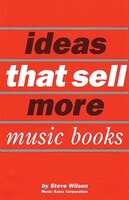
    1. Ideas That Sell More Music Books

    Ideas That Sell More Music Books

    Ideas That Sell More Music Books

    by Indigo Books & Music

    $6.50

    Check Price →

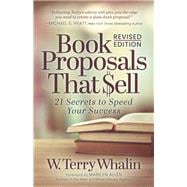
    2. Book Proposals That Sell

    Book Proposals That Sell

    Book Proposals That Sell

    by Knetbooks.com

    $19.86

    Check Price →

    3. Book Proposals That Sell

    Book Proposals That Sell

    Book Proposals That Sell

    by BiggerBooks.com

    $19.56

    Check Price →

  • How To Create And Sell Puzzle Books On Amazon

    How To Create And Sell Puzzle Books On Amazon

    Ever scrolled through Amazon looking for a way to kill time, only to realize you could be the one selling the books instead of just buying them? It sounds like a dream, but the reality is a very practical, low-overhead business model known as Print on Demand (POD). You don’t need to print thousands of copies or rent a warehouse. You just design the puzzles, upload them to Amazon Kindle Direct Publishing (KDP), and let Amazon handle the printing, shipping, and customer service.

    Puzzle Books

    If you are sitting there wondering how much can you earn from this, the honest answer is: it depends entirely on your niche and your volume. I have seen creators making an extra $200 a month on the side, while others running large catalogs pull in $3,000 to $5,000 monthly. It isn’t a way to get rich overnight, but it is a solid way to build a passive income stream if you are willing to put in the work.

    The low-cost reality of starting a puzzle business

    One of the best parts about this side hustle is that the startup costs are incredibly low. You don’t need a degree in graphic design or a massive budget for advertising. To get started, you really only need a computer, an internet connection, and a few specific software subscriptions.

    Here is a breakdown of what you might spend upfront:

    • Software: You can use Canva (Free or Pro) for layout, or specialized puzzle generators like Puzzle Wiz or Book Bolt for the actual logic. Budget around $12-$35 per month.
    • Research Tools: Tools like Helium 10 or Publisher Rocket help you find what people are actually searching for. These can cost $50-$100 per month, but you can start without them by using Amazon’s search bar manually.
    • Design Assets: If you aren’t an artist, you might buy clip art from Creative Fabrica. A small budget of $20 can get you a lot of high-quality graphics.

    If you are careful, you can launch your first book for less than $50. The ROI (Return on Investment) here is high because your only real “cost” is your time.

    Finding a profitable niche

    The biggest mistake beginners make is creating a “Generic Word Search Book.” If you search that on Amazon, you will see millions of results. You will be buried on page 500, and nobody will ever find you. To succeed, you need to find a specific corner of the market.

    Micro-niche strategy

    Instead of a general puzzle book, think about specific interests or demographics. Instead of “Sudoku for Adults,” try “Sudoku for Seniors with Large Print” or “Word Search for 1s and 2s (Vintage Car Enthusiasts).” The more specific you are, the less competition you face.

    Look for these types of opportunities:

    • Age-specific: Toddlers, teens, or seniors with vision impairments.
    • Interest-based: Gardening, true crime, 80s nostalgia, or even specific dog breeds.
    • Holiday-themed: Christmas, Halloween, or Easter-themed activity books.

    Using Amazon’s search bar for research

    You don’t need expensive software to start. Go to the Amazon search bar and start typing “Puzzle book for…” and see what the auto-fill suggests. Those suggestions are real terms that customers are typing. This is a beginner friendly way to validate if an idea has any legs before you spend hours designing it.

    The step-by-step creation process

    Creating the actual book is a bit of a marathon, not a sprint. You can’t just throw random words into a document and call it a day. There is a workflow that ensures your book looks professional and actually works.

    1. Generate the puzzles: Use a tool like Book Bolt or even specialized Excel templates to create the logic. Ensure your puzzles are difficult enough to be engaging but not impossible.
    2. Create the interior layout: This is where you arrange the puzzles on the pages. You need to ensure there is enough margin so that when the book is printed and bound, the puzzles don’t get lost in the “gutter” (the middle crease).
    3. Design a “thumb-stopping” cover: People do judge books by their covers. Your cover needs to look professional, clearly communicate what kind of puzzles are inside, and look great even as a tiny thumbnail on a phone screen.
    4. Format for KDP: You will need to export your work as a high-quality PDF. Amazon has very strict requirements regarding bleed and margins.

    Time investment expectations

    Don’t expect to finish a high-quality book in an hour. For a standard 100-page puzzle book, expect to spend anywhere from 5 to 15 hours. This includes the research, the generation, the formatting, and the cover design. If you are doing it for the first time, it might take even longer as you learn the software.

    Uploading and optimizing for Amazon KDP

    Once your PDF is ready, you head over to the KDP dashboard. This is where the “selling” part happens. Your title, subtitle, and description are your primary sales tools. If your description is boring, no one will click “Buy Now.”

    Focus on your keywords. Don’t just repeat the title. Use the description to tell the reader exactly what they get: “Contains 100 large-print word searches, easy-to-read font, themed around tropical vacations, perfect for relaxing on a plane or at the beach.”

    A final tip: Always check your 7 backend keywords in the KDP dashboard. These are hidden tags that help Amazon’s algorithm categorize your book. Use phrases that aren’t already in your title to maximize your reach.

    Common pitfalls to avoid

    I have seen many people quit after their first book fails to sell. Usually, it’s because of one of three things. First, they didn’t do enough research and entered a saturated market. Second, their cover looked amateurish. Third, they gave up too soon.

    Treat this like a library, not a single shot. One book is a hobby; ten books is a business. You won’t know which niche works until you have tested a few different ideas. Also, never use copyrighted characters or trademarks. Don’t make a “Disney Word Search.” Amazon will ban your account faster than you can say “copyright infringement.”

    If you are ready to start, pick one niche today, spend an hour researching it, and just see what you find. The hardest part is simply starting.

    Our Top Picks

    Products we recommend:

    1. Amazon Self Publisher: How to Sell More Books on Amazon

    Amazon Self Publisher: How to Sell More Books on Amazon

    Amazon Self Publisher: How to Sell More Books on Amazon

    by Audiobooks.com

    $24.99

    Check Price →

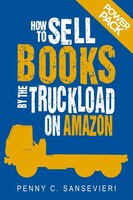
    2. How to Sell Books by the Truckload on Amazon: Power Pack!: Sell More Books on Amazon – Get More Reviews on Amazon

    How to Sell Books by the Truckload on Amazon: Power Pack!: Sell More Books on Amazon - Get More Reviews on Amazon

    How to Sell Books by the Truckload on Amazon: Power Pack!: Sell More Books on Amazon – Get More Reviews on Amazon

    by Indigo Books & Music

    $9.58

    Check Price →

    3. iPhone Millionaire: How to Create and Sell Cuttin

    iPhone Millionaire:  How to Create and Sell Cuttin

    iPhone Millionaire: How to Create and Sell Cuttin

    by eCampus.com

    $19.80

    Check Price →

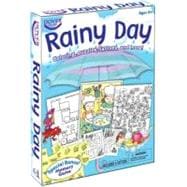
  • Fun Rainy Day Activities For Children

    Fun Rainy Day Activities For Children

    We have all been there. You wake up, look out the window, and see nothing but gray skies and relentless raindrops. The initial feeling might be a bit of dread, especially when you realize the backyard playground time you had planned is officially cancelled. However, instead of letting the gloom settle in, you can turn these indoor afternoons into some of the most memorable moments of the week. Rainy days don’t have to mean endless screen time or restless tantrums.

    The secret is having a little toolkit of ideas ready to go. Some days call for high-energy movement to burn off that indoor jitters, while other days are perfect for quiet, focused tasks. Whether you are looking for something budget friendly using items already in your pantry or something more structured, there is a way to make the indoors feel just as exciting as the outdoors.

    High-Energy Indoor Games to Burn Off Steam

    When the rain keeps kids trapped inside, that pent-up energy can quickly turn into cabin fever. If you see the kids starting to bounce off the walls, it is time to introduce some movement-based play. These activities help with gross motor skills and physical coordination without requiring a massive amount of space.

    The Classic Obstacle Course

    You don’t need professional gym equipment to create a challenge. Use sofa cushions, painter’s tape on the floor, and even dining chairs to create a winding path. For toddlers, keep it simple with “crawl under the blanket” and “hop over the pillow.” For older children, you can add a timer to make it a competitive race. This is a great way to encourage physical agility while keeping the mess contained to one room.

    Indoor Scavenger Hunts

    Scavenger hunts are a fantastic way to keep little minds engaged for a long period. You can vary the difficulty based on how old your kids are. For a age appropriate challenge for preschoolers, ask them to find “something blue” or “something soft.” For school-aged children, try something more complex, like finding items that start with the letter ‘S’ or objects that are heavier than a spoon. This promotes observation skills and critical thinking.

    Balloon Volleyball

    If you have a bit of floor space, a balloon is your best friend. It is much safer than a real ball for indoor play because it won’t break a lamp or a window. Divide the room with a piece of string tied between two chairs and see how long you can keep the balloon in the air. This is excellent for hand-eye coordination and can be played by almost any age group.

    Creative and Artistic Projects

    On the flip side, some rainy days are better suited for slowing down. Art projects are wonderful because they allow children to express themselves and practice fine motor skills. Plus, many of these ideas are incredibly educational as they introduce concepts of color, texture, and design.

    Homemade Playdough Station

    Why buy expensive kits when you can make your own with flour, salt, and water? Making the dough is half the fun. Once it’s ready, set out some cookie cutters and small plastic figures. This sensory experience is particularly beneficial for younger children as it helps with tactile development. Just a quick safety note: always supervise toddlers closely to ensure they don’t try to eat the salty dough!

    The Great Cardboard Box Transformation

    Before you toss that delivery box into the recycling bin, stop and think. To a child, a large box is a spaceship, a castle, or a race car. Provide some washable markers, some stickers, and maybe some old fabric scraps. This type of open-ended play is vital for fostering imagination and problem-solving. It is perhaps the most budget friendly activity on this entire list.

    Paper Plate Masks and Puppets

    Grab some paper plates, some popsicle sticks, and some leftover scraps of yarn or felt. Children can create characters from their favorite stories or invent entirely new ones. Once the masks are finished, you can stage a full-blown puppet theater performance in the living room. This encourages storytelling and literacy skills in a way that feels like pure play.

    Quiet Time and Brain-Boosting Activities

    Sometimes, the best way to handle a rainy day is to embrace the coziness. These activities are perfect for when you need a moment of peace or when the weather is particularly stormy and a bit more calming energy is needed.

    Build a Reading Fort

    There is nothing quite like a “nest” made of blankets, pillows, and fairy lights. Transform a corner of the living room into a secret reading nook. Bring in a stack of books and some flashlights. This creates a special, intimate environment that encourages a love for reading and provides a sense of security during a thunderstorm.

    Kitchen Science Experiments

    If you want to engage their curiosity, try some simple science. The classic baking soda and vinegar volcano is a crowd favorite for a reason. You can also experiment with “magic milk” using milk, food coloring, and a drop of dish soap. These experiments are educational and help children understand cause and effect. Just remember to lay down a plastic tablecloth first to keep the kitchen tidy!

    A few things to keep in mind when planning your day:

    • Safety First: Always ensure that indoor obstacle courses are clear of sharp furniture corners.
    • Manage Expectations: Not every craft will be a masterpiece, and that is perfectly okay. The goal is the process, not the product.
    • Rotation is Key: Don’t bring out every toy at once. Introducing one new “special” activity can make the day feel much longer and more exciting.

    Rainy days don’t have to be a struggle. With a little bit of preparation, you can turn a gloomy afternoon into a time of discovery and connection. Next time you hear the pitter-patter on the roof, don’t sigh—grab some flour, find some tape, and start building!

    Do you have a favorite rainy day tradition? Share your best ideas in the comments below so we can all add to our indoor activity toolkit!

    Our Top Picks

    Products we recommend:

    1. Rainy Day Pastimes for Children

    Rainy Day Pastimes for Children

    Rainy Day Pastimes for Children

    by Indigo Books & Music

    $31.95

    Check Price →

    2. Reco World of Children Rainy Day Fun – With Box

    Reco World of Children Rainy Day Fun - With Box

    Reco World of Children Rainy Day Fun – With Box

    by Replacements Ltd.

    $8.99

    Check Price →

    3. Rainy Day Fun Kit

    Rainy Day Fun Kit

    Rainy Day Fun Kit

    by Knetbooks.com

    $18.01

    Check Price →

  • How To Set Up A Caregiver Daily Log Book

    How To Set Up A Caregiver Daily Log Book

    If you’ve ever found yourself staring blankly at a doctor during a follow-up appointment, trying to remember if your loved one had a fever last Tuesday or if they skipped their medication on Wednesday, you know the exact type of stress I’m talking about. Caregiving is a marathon of tiny details. When you are managing medications, meals, moods, and mobility, your brain simply isn’t designed to hold all that information perfectly. This is exactly why a daily log book is your best friend.

    A log book isn’t just a notebook; it is a communication tool. It bridges the gap between shifts if you use in-home help, and it provides a clear, factual history for medical professionals. Setting one up doesn’t require a degree in nursing or a fancy organizational system. You just need a consistent method to capture what matters.

    Deciding on your format

    Before you grab a pen, you need to decide how you want to carry this information. There is no single right way to do this, but your choice should depend on your lifestyle and how much detail you need to track.

    Some people prefer a classic physical binder. This is great because you can tuck in printed lab results, discharge papers, or doctor’s notes right alongside your daily entries. It feels permanent and is easy to hand to a nurse during a home visit. On the other hand, a simple spiral notebook is much more portable if you are constantly moving between a care facility and home.

    If you are someone who always has your phone in hand, a digital option like a dedicated notes app or a specialized caregiving app might work better. Digital logs are easy to search and hard to lose, though they can be a bit harder to share with family members who aren’t tech-savvy. Ultimately, pick the method you will actually use every single day.

    Essential components to include

    A blank page can be intimidating. To prevent you from forgetting key details, I recommend creating a template or a set of recurring headers. You don’t need to track every single breath, but certain categories are non-negotiable for maintaining a clear picture of health.

    Vital signs and physical health

    If a doctor has asked you to monitor specific metrics, these should be the first thing you record. This might include:

    • Body temperature
    • Blood pressure readings
    • Blood glucose levels
    • Weight changes (if applicable)
    • Pain levels (on a scale of 1-10)

    Medication and nutrition tracking

    Mistakes in medication are one of the biggest risks in caregiving. Your log should clearly show when a dose was administered and if any changes were made by a physician. Alongside this, keep a simple record of food and fluid intake. This is particularly helpful for tracking hydration or managing diets for diabetes or kidney issues.

    Daily activities and mobility

    Recording movement helps identify patterns of decline or improvement. Note things like whether they completed their physical therapy exercises, how much they walked, or if they had any falls or near-misses. Even something as simple as “spent 30 minutes in the garden” provides context for their overall well-being.

    Mood and cognitive status

    Health isn’t just physical. Tracking sleep patterns, appetite, and emotional state can reveal early signs of infection, depression, or cognitive shifts. Noting “more confused than usual this morning” can be a vital clue for a doctor trying to diagnose a UTI or other underlying issues.

    How to structure your daily entries

    Consistency is the secret sauce here. You don’t need to write a novel every night, but you do need to be methodical. I suggest following a simple chronological structure.

    Start each day with a quick summary of the previous night’s sleep. Then, move through the day in blocks: morning, afternoon, and evening. This makes it easier to look back and see if a certain medication caused lethargy in the afternoon, for example.

    When writing, try to stick to objective observations. Instead of writing “he seemed grumpy,” try “he refused breakfast and was less communicative than usual.” This distinction is incredibly helpful for medical professionals who need facts rather than interpretations to make clinical decisions.

    Tips for staying consistent

    The biggest challenge isn’t setting up the log; it’s keeping it up when you are exhausted. Caregiving burnout is real, and a log book can feel like just another chore on an endless list. Here are a few ways to make it easier on yourself:

    1. Keep the log in a highly visible spot, like the kitchen counter or the bedside table.
    2. Set a “log time” alarm on your phone to remind you to write before you go to bed.
    3. Use a “quick-entry” method. If you are too tired to write a full entry, just jot down bullet points and expand on them later.
    4. Involve others. If a sibling or a professional caregiver steps in, make it part of their hand-off routine to update the book.

    Remember, the goal is accuracy over perfection. If you miss a day, don’t give up. Just start again with the next entry. The information you capture is a vital piece of the care puzzle, and even a partial record is better than no record at all.

    When to share your findings

    A log book is only useful if the right people see it. You should bring your log to every specialist appointment. It serves as a prepared report, saving you from the stress of trying to recall details under pressure. It also allows the doctor to see trends over weeks or months, rather than just a single snapshot in time.

    Furthermore, if you are part of a care team involving family members, the log acts as a single source of truth. It reduces the number of “how is Mom doing?” texts you have to answer because everyone can check the book for the latest updates.

    If you are feeling overwhelmed by the logistics of care, start small. Grab a notebook today and just commit to tracking one thing—perhaps just medication or just meals. Once that becomes a habit, you can add more layers to your system.

    Our Top Picks

    Products we recommend:

    1. Caregiver Log Book: A Daily Record

    Caregiver Log Book: A Daily Record

    Caregiver Log Book: A Daily Record

    by Indigo Books & Music

    $18.50

    Check Price →

    2. The Engaged Caregiver: How to Build a Performance-

    The Engaged Caregiver: How to Build a Performance-

    The Engaged Caregiver: How to Build a Performance-

    by eCampus.com

    $35.00

    Check Price →

    3. Caregiver Daily Log Printable by Creative Corner | Creative Market

    Caregiver Daily Log Printable by Creative Corner | Creative Market

    Caregiver Daily Log Printable by Creative Corner | Creative Market

    by Creative Market

    $14.00

    Check Price →

  • Maximizing Your Automated Lawn Care: An In-Depth Review of Mowrator S1 Essential Accessories

    Maximizing Your Automated Lawn Care: An In-Depth Review of Mowrator S1 Essential Accessories

    In the era of modern productivity, the concept of “automation” is no longer confined to software, email sequences, or AI-driven content creation. It has moved into our physical environments, transforming how we manage our homes and even our landscapes. At genesis-autopost.com, we are constantly looking for ways to optimize workflows and reclaim time. This is exactly why the rise of robotic lawn mowers, specifically the Mowrator S1, has caught the attention of the automation community. It represents a shift from manual labor to hands-free, high-efficiency land management.

    However, as any professional implementer knows, the initial tool is rarely the complete solution. True optimization requires a suite of peripheral accessories designed to enhance the “user interface” between the human and the machine. When you invest in high-end automation like the Mowrator S1, the goal is to minimize friction. You want to manage your equipment without being tethered to a desk or stuck in a constant loop of manual adjustments.

    In this review, we focus on a key piece of the Mowrator ecosystem: the Mowrator Neck Strap. While it may seem like a simple accessory, when we analyze it through the lens of ergonomic productivity and hands-free operation, its value becomes strikingly clear. We will explore whether this $29.00 investment is a genuine productivity booster or merely a niche add-on.

    Product Spotlight: Mowrator Neck Strap for Mowrator S1 Lawn Mower

    When managing an automated system like the Mowrator S1, the “control center” is often mobile. Whether you are using a handheld remote, a smartphone, or a specialized controller to monitor the mower’s progress, the need for hands-free accessibility is paramount. The Mowrator Neck Strap, distributed via PartnerBoost on the Amazon Marketplace, is designed specifically to bridge the gap between manual oversight and total automation.

    The primary function of this strap is to provide a secure, ergonomic way to carry your control device while you navigate your property. If you are inspecting the edges of your lawn, checking for obstacles, or simply walking the perimeter to ensure the S1 is following its programmed path, having your controller hanging comfortably around your neck prevents the “fumble factor.” You no longer have to constantly reach into pockets or carry a device that is prone to being dropped on uneven terrain.

    Constructed with durability in mind, the strap is built to withstand the outdoor elements. Since the Mowrator S1 operates in various weather conditions, any accessory used alongside it must be resilient against moisture, dust, and UV exposure. The strap feels substantial enough to provide security without being so heavy that it causes neck fatigue during extended periods of use.

    Key Features and Specifications

    • Compatibility: Specifically engineered for the Mowrator S1 ecosystem.
    • Price Point: Affordable entry at approximately $29.00.
    • Ergonomic Design: Focuses on weight distribution to reduce neck strain.
    • Hands-Free Utility: Enables seamless switching between device monitoring and manual yard tasks.

    The Pros and Cons

    No product is perfect, and when evaluating hardware accessories, it is important to look at the trade-offs between convenience and specialized utility.

    Pros:

    • Enhanced Productivity: By enabling hands-free operation, you can perform other yard tasks (like weeding or debris removal) while still keeping an eye on your mower’s status.
    • Device Security: Reduces the risk of dropping expensive controllers or smartphones on hard surfaces or into tall grass.
    • Ease of Use: Very low learning curve; it is a “plug-and-play” accessory that integrates into your routine instantly.
    • Cost-Effective: At $29.00, it is a low-risk investment compared to the high cost of the Mowrator S1 unit itself.

    Cons:

    • Niche Application: If you rarely interact with your mower’s controller once the program is set, this accessory may offer limited value to you.
    • Model Specific: This is tailored for the S1; users of older or different Mowrator models will need to ensure compatibility before purchasing.
    • Physical Presence: Some users may find wearing a strap around the neck cumbersome during high-intensity physical activity.

    Buying Guide: What to Look for in Automation Accessories

    When you are building an “automated lifestyle,” you will inevitably encounter many more accessories. To avoid wasting budget on low-quality hardware, use the following criteria to evaluate any Mowrator or smart-home add-on:

    1. Ecosystem Integration

    Always prioritize accessories that are explicitly designed for your specific model. In the world of automation, “universal” often means “mediocre.” A strap designed for the S1 will account for the specific weight and dimensions of the S1 controller, ensuring that it doesn’t bounce excessively or slip off during movement.

    2. Durability and Environmental Resistance

    If an accessory is meant to be used outdoors, it must be rated for the environment. Look for materials like reinforced nylon, weather-resistant plastics, and anti-corrosive metals. An accessory that fails after one rainstorm is a failure in your productivity workflow.

    3. Ergonomic Impact

    Ask yourself: “Does this tool reduce friction or add it?” A great accessory should feel like an extension of your body. If a tool requires constant readjustment, it is not an automation tool—it is a distraction. The goal is to achieve a state of “passive monitoring,” where the technology works for you without requiring constant manual intervention.

    4. ROI (Return on Investment)

    Calculate the value of the time saved. If a $29 strap saves you from the frustration of dropping a $200 controller, or saves you five minutes of fumbling every time you check your mower, the ROI is exceptionally high. Focus on accessories that protect your primary investments.

    The Final Verdict

    The Mowrator Neck Strap for Mowrator S1 is a classic example of a “micro-optimization.” It does not change the fundamental way the mower cuts grass, but it fundamentally changes how you interact with the automation process. By removing the need to carry a controller manually, it promotes a more fluid, hands-free experience that aligns perfectly with the goals of automated living.

    For the price of a single lunch, you gain improved device security and a more ergonomic way to manage your smart landscape. While it is not a “must-have” for those who set their mower and completely forget about it, for the power user who enjoys monitoring and fine-tuning their automation, it is an essential addition to the toolkit.

    Our Recommendation: If you are a proud owner of the Mowrator S1 and find yourself frequently checking your device while working in the yard, add the Neck Strap to your cart. It is a small price to pay for the added layer of convenience and protection.


    Disclaimer: Please note that some of the links in this article are affiliate links. This means that, at no extra cost to you, we may earn a small commission if you click through and make a purchase. This helps support our deep-dive reviews and allows us to continue providing high-quality content for the automation community.


    Featured Products

    Disclosure: This article contains affiliate links. If you make a purchase through these links, we may earn a commission at no additional cost to you.

    Product Brand Price Link
    Mowrator Neck Strap for Mowrator S1 Lawn Mower PartnerBoost – Amazon Marketplace $29.00 Check Price
    Mowrator Neck Strap for Mowrator S1 Lawn Mower

    Mowrator Neck Strap for Mowrator S1 Lawn Mower

    by PartnerBoost – Amazon Marketplace

    $29.00

    Check Price →

  • Vitalheal Review: Can This Wellness Brand Truly Optimize Your Biological Performance?

    Vitalheal Review: Can This Wellness Brand Truly Optimize Your Biological Performance?


    In the modern era of high-performance living, the concept of “optimization” has moved far beyond simple time management or software automation. For the modern professional, the ultimate frontier of productivity is biological. We are no longer just looking for better apps to manage our workflows; we are looking for better ways to manage our cognitive clarity, energy levels, and physical resilience. This is where the Vitalheal brand enters the conversation.

    Vitalheal positions itself not just as a supplement company, but as a partner in your pursuit of physiological excellence. Their marketing emphasizes a scientific, streamlined approach to nutrition—essentially “automating” your health by providing the essential building blocks your body often lacks in a high-stress, nutrient-depleted environment. But does the brand deliver on its promise of biological optimization, or is it just another wellness trend wrapped in premium packaging?

    In this comprehensive review, we will break down the core pillars of the Vitalheal product lineup, evaluate their efficacy, and determine if these products are a worthy investment for your personal health stack.

    Disclaimer: This post contains affiliate links. If you decide to make a purchase through these links, we may earn a small commission at no extra cost to you. This helps support our deep-dive reviews and keeps our content free.

    Deep Dive: Exploring the Vitalheal Product Ecosystem

    While Vitalheal offers a variety of formulations, their product architecture is generally divided into three primary functional categories: Foundational Nutrition, Cognitive Performance, and Restorative Recovery. Below, we review the standout elements of each category.

    1. Vitalheal Daily Foundation (Core Multivitamins & Minerals)

    The cornerstone of the Vitalheal ecosystem is their “Foundation” line. These products are designed to fill the nutritional gaps left by modern diets. Unlike standard drugstore multivitamins that use cheap, synthetic fillers, Vitalheal focuses on high-bioavailability ingredients—nutrients that your body can actually absorb and use efficiently.

    The formulation targets essential micronutrients, including methylated B-vitamins and chelated minerals, which are critical for cellular energy production (ATP) and metabolic health.

    • Pros:
      • High Bioavailability: Uses premium forms of vitamins (like Methylcobalamin instead of Cyanocobalamin) for better absorption.
      • Clean Label: Minimal fillers, no unnecessary artificial colors or synthetic binders.
      • Metabolic Support: Excellent for maintaining baseline energy throughout a long workday.
    • Cons:
      • Price Point: Significantly more expensive than mass-market vitamin brands.
      • Subscription Dependency: To get the best value, you often have to commit to a recurring delivery model.

    2. Vitalheal Cognitive Catalyst (Nootropic Blends)

    For the entrepreneurs and creators reading this, the Cognitive Catalyst line is likely the most intriguing. This category focuses on nootropics—substances intended to improve cognitive functions such as memory, creativity, and focus. This is “brain automation” in a capsule.

    The formula typically includes adaptogens like Ashwagandha to manage cortisol (the stress hormone) alongside stimulants like L-Theanine or Bacopa Monitari to promote “calm focus” rather than the jittery spike and crash associated with caffeine alone.

    • Pros:
      • Sustained Focus: Designed to prevent the “afternoon slump” common with high-caffeine alternatives.
      • Stress Management: The inclusion of adaptogens helps mitigate the physiological impact of high-pressure environments.
      • No Jitters: Provides a smooth transition into deep work states.
    • Cons:
      • Niche Use: May not be necessary if your baseline cognitive function is already high.
      • Dosage Transparency: Some users may want more granular detail on the exact milligram dosage of certain proprietary blends.

    3. Vitalheal Restorative Complex (Recovery & Sleep Support)

    You cannot optimize your performance if you cannot recover. The Restorative Complex is Vitalheal’s answer to the epidemic of poor sleep quality. This product line focuses on down-regulating the nervous system

    By focusing on magnesium glycinate and calming botanicals, this line aims to improve sleep architecture—ensuring you get more time in deep and REM sleep stages.

    • Pros:
      • Improved Sleep Quality: Focuses on restorative sleep rather than just “knocking you out” like heavy sedatives.
      • Reduced Morning Grogginess: Unlike some sleep aids, it doesn’t leave a “hangover” effect the next morning.
      • Comprehensive Recovery: Helps with muscle and neural recovery after intense cognitive or physical strain.
    • Cons:
      • Taste/Texture: Some of the powder-based restorative options can have a strong, earthy botanical taste.
      • Time to Results: Requires consistent use over several weeks to see significant changes in sleep patterns.

    Buying Guide: How to Choose the Right Vitalheal Strategy

    Not everyone needs the full Vitalheal stack. To maximize your ROI (Return on Investment) and your biological output, consider these three factors before purchasing:

    Identify Your Current Bottleneck

    Where is your performance failing? If you are hitting a wall at 3:00 PM, look toward the Cognitive Catalyst. If you wake up feeling unrefreshed despite 8 hours of sleep, prioritize the Restorative Complex. If you feel generally sluggish and “foggy,” start with the Daily Foundation.

    Assess Your Nutritional Baseline

    Are you already eating a highly optimized, nutrient-dense diet (organic, whole foods, high micronutrient variety)? If so, you may find less value in the foundational supplements. However, if you rely heavily on convenience foods or have a high-stress lifestyle, the foundational support becomes much more critical.

    Evaluate the “Stack” Synergy

    The most effective way to use Vitalheal is through a “stack” approach. Using the Daily Foundation to provide the base, the Cognitive Catalyst to drive peak performance, and the Restorative Complex to ensure recovery creates a closed-loop system of biological optimization.

    The Final Verdict: Is Vitalheal Worth the Investment?

    After reviewing the ingredient profiles, bioavailability, and the targeted functional benefits, our verdict is highly positive for a specific demographic.

    Vitalheal is not a budget brand for those looking for the cheapest way to avoid scurvy. It is a premium brand designed for the high-performer—the individual who views their body as their most important piece of hardware and is willing to invest in high-quality “software updates” through nutrition.

    Final Summary:

    • Best For: Professionals, entrepreneurs, and athletes looking to optimize cognitive and physical output through science-backed nutrition.
    • Avoid If: You are on a strict budget or already have a highly optimized, nutrient-rich lifestyle and do not feel the need for supplemental support.
    • Overall Rating: 4.5/5

    If you are ready to stop guessing with your health and start automating your vitality, the Vitalheal ecosystem provides one of the most cohesive frameworks available on the market today.

  • Mastering the Kitchen: A Deep Dive Review of Ewa Wachowicz’s Culinary Legacy

    Mastering the Kitchen: A Deep Dive Review of Ewa Wachowicz’s Culinary Legacy

    Note: This post contains affiliate links. If you choose to make a purchase through these links, we may earn a small commission at no additional cost to you.

    The Art of Curated Living: Why Culinary Foundations Matter

    In the world of automation and digital productivity, we often spend our time optimizing our workflows, our software, and our schedules. However, there is a significant, often overlooked aspect of life optimization: the way we nourish ourselves. True productivity isn’t just about how fast you can clear your inbox; it is about creating a sustainable, high-quality lifestyle that supports long-term cognitive function and physical well-being.

    A core component of this lifestyle is the mastery of the kitchen. Just as a professional developer relies on well-documented code, a successful individual relies on well-documented recipes and culinary techniques. When we talk about “lifestyle automation,” we are essentially talking about reducing decision fatigue. Having a reliable, high-quality culinary guide allows you to move through your daily routines with confidence, ensuring that your nutrition is as optimized as your digital workspace.

    Today, we are stepping away from the world of AI prompts and automation scripts to focus on a cornerstone of culinary inspiration: the works of Ewa Wachowicz. Specifically, we are conducting an intensive review of her acclaimed work, Ewa Gotuje. This isn’t just a book review; it is an analysis of a foundational resource for anyone looking to bring structure, beauty, and flavor to their daily lives.

    Featured Product Review: Ewa Gotuje by Ewa Wachowicz

    When discussing the culinary landscape in Poland and beyond, the name Ewa Wachowicz carries significant authority. Her work is characterized by a blend of tradition, accessibility, and an almost pedagogical approach to cooking. The book Ewa Gotuje serves as a masterclass in approachable gourmet cooking.

    Product Overview and Specifications

    Before we look at the sensory experience of the book, let’s look at the technical specifications that define this edition. For collectors and home cooks alike, the physical attributes of a cookbook are paramount, as they dictate how the book performs in a busy kitchen environment.

    • Title: Ewa Gotulje – Ewa Wachowicz
    • Author: Ewa Wachowicz
    • Publisher: EWA WACHOWICZ – PROMISS
    • Year of Publication: 2009
    • Format: 160 x 235 mm (Standard versatile size)
    • Binding: Oprawa Twarda (Hardcover)
    • Price: Approximately $39.31 (Depending on availability)
    • Primary Source: Allegro.pl

    The Review: A Legacy in Print

    Ewa Gotuje is more than just a collection of instructions; it is a culinary narrative. Published in 2009, this edition holds a certain nostalgic and archival value. In an era where recipes are often lost in the infinite scroll of social media or buried in disorganized digital bookmarks, a physical, hardcover book provides a single source of truth.

    The hardcover binding is a critical feature here. In a kitchen setting, durability is everything. A cookbook must withstand spills, heat, and frequent handling. The 160 x 235 mm format is also expertly sized—large enough to allow for clear reading of ingredients and steps, yet compact enough to fit on a standard kitchen shelf without dominating your workspace.

    The content within Ewa Gotuje focuses on the marriage of simplicity and sophistication. Wachowicz has a unique ability to take familiar ingredients and elevate them through technique. For the reader interested in efficiency and optimization, the way the recipes are structured allows for seamless meal planning. The instructions are clear, minimizing the “trial and error” phase that often leads to kitchen frustration and wasted resources.

    Pros and Cons

    To provide a balanced view, let’s break down the strengths and weaknesses of this specific edition of Ewa Gotuje.

    Pros

    • High Durability: The hardcover (oprawa twarda) ensures the book survives the rigors of daily kitchen use.
    • Authoritative Voice: Ewa Wachowicz is a trusted figure, providing recipes that are tested and reliable.
    • Tactile Experience: Unlike a digital screen, the physical layout allows for easy page-turning without the risk of a device going into sleep mode or receiving distracting notifications.
    • Culinary Foundation: The recipes focus on fundamental techniques that serve as building blocks for more advanced cooking.

    Cons

    • Dated Edition: As a 2009 publication, some of the culinary trends or specific ingredient availability might feel slightly classic rather than “modern fusion.”
    • Price Point: At roughly $39.31, it represents a significant investment compared to a digital subscription or a mass-market paperback.
    • Limited Searchability: Unlike a digital database, you cannot use “Ctrl+F” to find a specific ingredient, requiring more manual navigation.

    Buying Guide: How to Choose Your Culinary Resources

    If you are looking to build a library of culinary resources—whether you are looking for Ewa Wachowicz’s works or other masters of the craft—consider the following three pillars of resource optimization:

    1. Purpose and Versatility

    Are you looking for a “daily driver” or a “special occasion” book? A book like Ewa Gotuje acts as a primary resource. It is versatile enough for Tuesday night dinners but sophisticated enough for Sunday brunches. When buying, ask yourself: “Can I use this resource at least three times a week?”

    2. Physicality and Ergonomics

    In the context of productivity, the “user interface” (UI) of a cookbook is its layout and physical build. Look for:

    • Legibility: High-contrast text and clear headings.
    • Resilience: Hardcover or laminated pages to prevent damage.
    • Size: A size that fits your kitchen’s “workflow” (counter space vs. shelf space).

    3. Provenance and Authority

    In the age of AI-generated content and unverified internet recipes, the provenance of your information is vital. Investing in authors like Ewa Wachowicz, who have a documented history of culinary expertise, reduces the “error rate” in your cooking process. You are paying for the reliability of the outcome.

    The Verdict: Is Ewa Gotuje Worth the Investment?

    After a thorough analysis, our verdict is a strong recommendation for enthusiasts, collectors, and home cooks looking to stabilize their culinary routines.

    While the price and the age of the edition might give some pause, the intrinsic value of the expertise contained within Ewa Gotuje far outweighs the initial cost. It is a piece of culinary history that functions as a practical tool for life optimization. If you value precision, reliability, and the ability to create high-quality results with minimal decision fatigue, this book is an essential addition to your personal library.

    Final Rating: 4.8/5

    If you are ready to upgrade your kitchen workflow and move away from the chaos of unverified digital recipes, Ewa Gotuje is your roadmap to success.


    Featured Products

    Disclosure: This article contains affiliate links. If you make a purchase through these links, we may earn a commission at no additional cost to you.

    Product Brand Price Link
    Ewa Gotuje Ewa Wachowicz, Ewa Wachowicz Allegro.pl $39.31 Check Price
    Ewa Gotuje Ewa Wachowicz, Ewa Wachowicz

    Ewa Gotuje Ewa Wachowicz, Ewa Wachowicz

    by Allegro.pl

    $39.31

    Check Price →