Tag: Side Hustle

  • Print On Demand Mug Designs That Actually Sell

    Print On Demand Mug Designs That Actually Sell


    You’ve spent hours scrolling through Pinterest, looking for inspiration. You’ve seen those gorgeous, minimalist mugs with witty quotes and aesthetic illustrations. You think, “I can do that! I’ll just put a cute font on a white mug and watch the royalties roll in.”

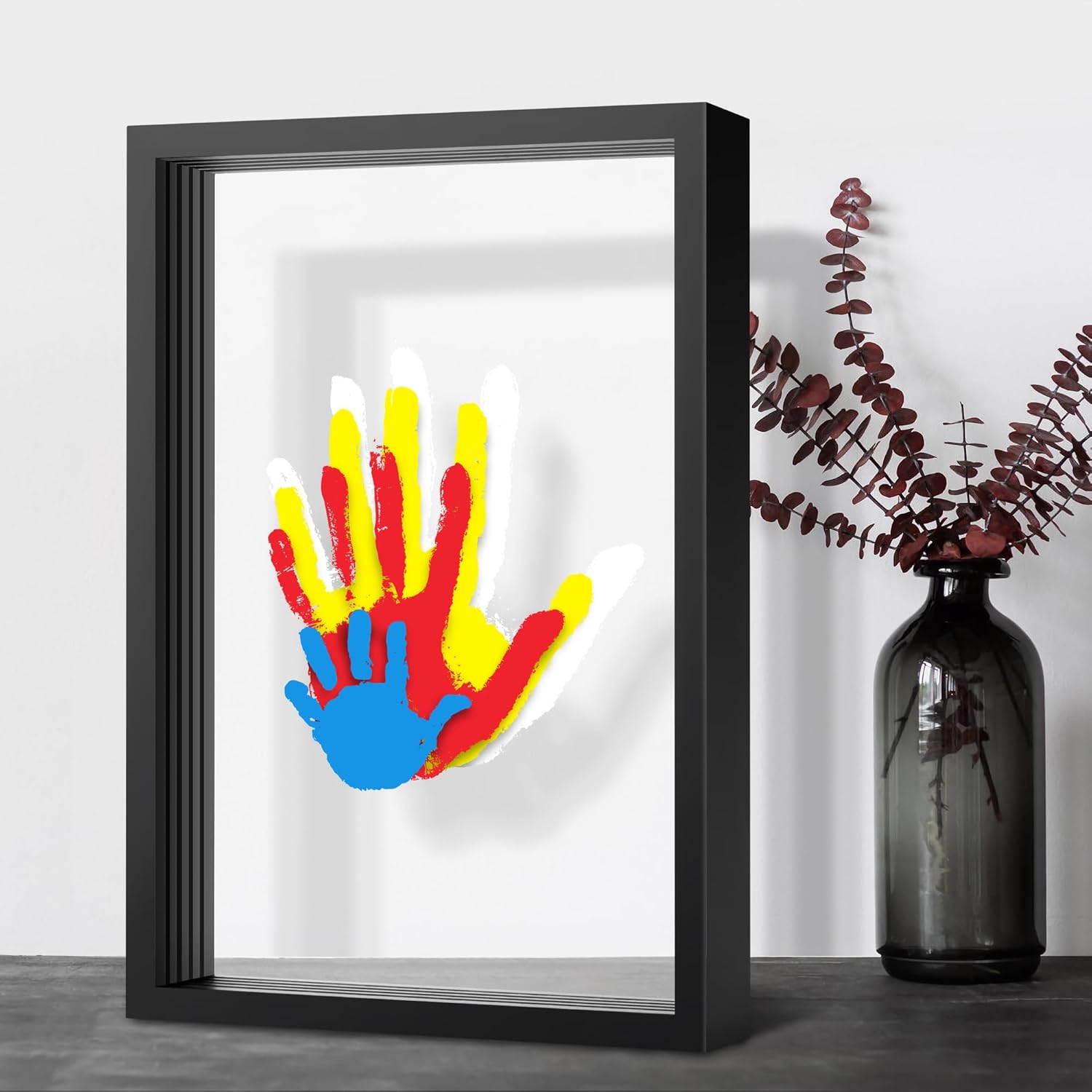
    Family Handprint Kit, DIY Craft Keepsake Frame, Baby Hand Print Kits, Family Gif

    Then, reality hits. You launch your Print on Demand (POD) store, and the only thing “rolling in” is silence. No sales, no notifications, just a lonely dashboard.

    Here is the hard truth about the mug business: A “pretty” design is not a “selling” design. In the world of Print on Demand, a mug is a low-cost, impulse-buy item. People don’t buy mugs because they need more vessels for caffeine; they buy them because the design triggers an emotional response—whether that’s a laugh, a sense of identity, or a feeling of “that is so me.”

    < p>If you want to move beyond zero sales and start building a profitable mug empire, you need to stop designing for yourself and start designing for specific, hungry niches. In this guide, we’ll break down the exact types of mug designs that actually convert.

    The Golden Rule: Niche Down or Die

    The biggest mistake new POD sellers make is trying to create a “general” store. If you design a mug that says “Have a Nice Day,” you are competing with millions of other sellers and big-box retailers like Amazon and Target. You will lose.

    To win, you must target micro-niches. A micro-niche is a specific sub-culture, profession, or hobby. Instead of designing for “Dog Lovers,” design for “Golden Retriever Moms who love Gardening.” The more specific you get, the less competition you face and the higher your conversion rate becomes.

    Top Performing Design Categories for Mugs

    While there is no magic formula, certain design archetypes consistently outperform others in the POD marketplace. Let’s dive into the categories that drive sales.

    1. The “Identity & Profession” Designs

    People love to show off who they are. Mugs are a staple of the office environment, making them the perfect canvas for profession-based humor or pride.

    • Medical Professionals: Nurses, doctors, and dental hygienists often use humor to cope with high-stress jobs. Think: “Safety First, Drink Coffee Second.”
    • Tech & Coding: Developers love witty, syntax-based jokes.
    • Teachers: This is a massive, evergreen niche. Designs centered around “Teacher Fuel” or specific subject areas (Math, English, History) perform exceptionally well, especially during back-to-school seasons.

    2. The “Relatable Humor & Sarcasm” Designs

    Sarcasm is the universal language of the internet. If a design makes someone chuckle and think, “That’s exactly how I feel at 7:00 AM,” they are highly likely to click “Add to Cart.”

    Focus on these relatable themes:

    • Introvert Life: “Please don’t talk to me until I’ve finished this mug.”
    • Caffeine Dependency: The “Coffee is my personality” trope is a classic for a reason—it works.
    • Adulting Struggles: Jokes about taxes, laundry, and the general chaos of being an adult.

    3. The “Hobbyist & Passion” Designs

    Hobbies are deeply personal. When someone spends their weekends knitting, gaming, or hiking, they want products that reflect that passion. These designs work well because they make excellent gifts.

    Consider these high-intent hobby niches:

    • Gaming: Retro gaming, specific genres, or “Level Up” themes.
    • Gardening: “Plant Lady,” “I’d rather be in my garden,” etc.
    • Reading/Bookworms: “Just one more chapter,” or “Book Dragon” designs.

    4. The “Seasonal & Holiday” Designs

    Mugs are one of the most popular gift items for holidays. You should always be designing 2-3 months ahead of the calendar.

    • Christmas: Family-themed mugs (e.g., “Mama Bear,” “Papa Bear”) or festive, cozy designs.
    • Mother’s/Father’s Day: Personalized-style designs that celebrate the role of a parent.
    • Halloween: Spooky, cute, or “Witchy” aesthetics.

    Design Strategies: Aesthetics That Sell

    Once you have your niche, how should the design actually look? You don’s need to be a master illustrator, but you do need to follow current design trends.

    Typography is King

    In the mug world, the font often does more heavy lifting than the graphics. A well-chosen typeface can convey a “vintage” vibe, a “modern minimalist” look, or a “playful” energy. Experiment with:

    • Retro Serif Fonts: Very popular for the 70s/boho aesthetic.
    • Hand-Lettered Scripts: Great for feminine or cozy designs.
    • Bold Sans-Serif: Perfect for impactful, sarcastic, or minimalist quotes.

    The Power of Minimalism

    Don’t clutter the mug. A single, well-placed line of text or a small, clean icon is often much more effective than a complex, multi-colored illustration. White space (or in this case, the white of the mug) allows the design to “breathe” and makes it look more premium.

    How to Validate Your Design Ideas Before Creating Them

    Don’t guess—verify. Before you spend hours perfecting a design, use these methods to see if there is actual demand:

    1. Amazon Best Sellers: Look at the “Best Sellers” in the Kitchen/Coffee Mug category. What themes are dominating?
    2. Etsy Search Bar: Type in a niche (e.g., “Nurse Mug”) and see what the auto-suggestions are. Those suggestions are what people are actively searching for.
    3. Pinterest Trends: Check what aesthetic styles are currently trending in home decor and stationery.
    4. Social Media Listening: Browse Reddit threads or TikTok comments in your target niche. What are people complaining about? What are they celebrating? Use those exact words in your designs.

    Common Pitfalls to Avoid

    Even with a great niche, these mistakes can kill your sales:

    • Copyright Infringement: Never use Disney characters, Marvel quotes, or famous song lyrics. Your store will be shut down faster than you can say “cease and desist.”
    • Low-Resolution Graphics: If your design is blurry or pixelated, customers will immediately lose trust. Always use high-resolution (300 DPI) files.
    • Ignoring the Back of the Mug: While most people focus on the front, sometimes a small, subtle design on the back can add a “premium” feel to your product.

    Final Thoughts

    Selling Print on Demand mugs isn’t about being the most talented artist; it’s about being the most observant marketer. If you can identify a specific group of people, understand their sense of humor, and present it in a clean, aesthetically pleasing way, you will find your way to consistent sales.

    Ready to start your journey to a profitable POD store? Stop overthinking and start testing! Pick one micro-niche today, create five distinct designs, and upload them to your store. The data from those first five designs will teach you more than any guide ever could.

    Need help finding more winning niches? Subscribe to our newsletter for weekly deep dives into profitable Print on Demand opportunities!

    Our Top Picks

    Products we recommend:

    1. How to Write a Screenplay That Doesn’t Suck and Will Actually Sell

    How to Write a Screenplay That Doesn't Suck and Will Actually Sell

    How to Write a Screenplay That Doesn’t Suck and Will Actually Sell

    by BiggerBooks.com

    $8.31

    Check Price →

    2. How To Write A Book That Doesn’t Suck (and Will Actually Sell)

    How To Write A Book That Doesn't Suck (and Will Actually Sell)

    How To Write A Book That Doesn’t Suck (and Will Actually Sell)

    by Indigo Books & Music

    $9.97

    Check Price →

    3. Wrendale Designs That Friday Feeling Mug
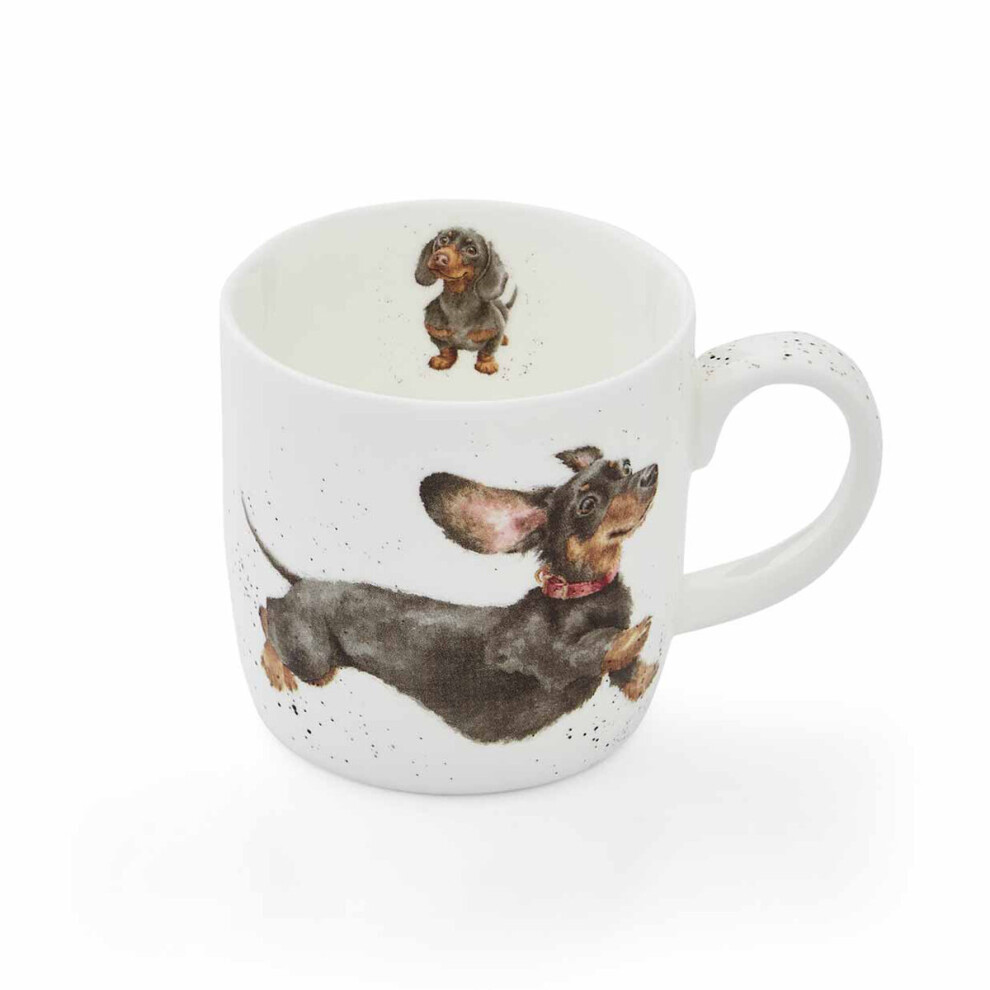
    Wrendale Designs That Friday Feeling Mug

    Wrendale Designs That Friday Feeling Mug

    by OnBuy.com

    $21.16

    Check Price →

  • How to Automate Your Side Hustle with AI (Step-by-Step)

    How to Automate Your Side Hustle with AI (Step-by-Step)


    For the modern entrepreneur, time is the only non-renewable resource you have. In the past, scaling a side hustle meant trading hours for dollars, often leading to burnout before you ever saw a profit. Today, the landscape has shifted dramatically. Artificial Intelligence is no longer just a buzzword; it is the ultimate leverage point that allows a solo operator to function like a ten-person agency. If you are AI-savvy, you know that the difference between a hobby and a sustainable business often comes down to automation. By integrating AI into your workflow, you can handle customer support, content creation, data analysis, and scheduling while you sleep. This guide cuts through the noise to show you exactly how to automate your side hustle with the right tools, step-by-step.

    The Foundation: Identifying Your Automation Opportunities

    Before diving into specific software, you must audit your current workflow. Most side hustlers get stuck in “shiny object syndrome,” buying tools they don’t need. To automate effectively, look for repetitive tasks that follow a logical pattern. These are the prime candidates for AI intervention. Common areas include drafting social media posts, responding to common client inquiries, generating invoices, and researching market trends.

    The goal isn’t just to speed up what you do; it’s to eliminate the busy work entirely so you can focus on high-value strategy and relationship building. When you map out your week, ask yourself: “Can an AI model do this 80% as well as me for a fraction of the time?” If the answer is yes, that task is ready for automation.

    Content Creation Automation Tools

    Content is the lifeblood of almost every digital side hustle. Whether you are running a blog, managing a YouTube channel, or curating an Instagram feed, consistency is key. AI writing assistants have evolved from simple grammar checkers to sophisticated co-pilots capable of generating full drafts, SEO strategies, and even video scripts.

    Jasper vs. Copy.ai: The Heavy Hitters

    Two names dominate the conversation when it comes to AI copywriting. While they share similar DNA, their strengths lie in different areas depending on your specific hustle.

    Feature Jasper (formerly Jarvis) Copy.ai
    Key Features Long-form content, Brand Voice cloning, Boss Mode for workflow management. Workflows automation, Social media templates, E-commerce product descriptions.
    Pricing Starts at $39/month (Creator Plan). Free tier available; Pro starts at $49/month.
    Strengths Exceptional for long-form blog posts and maintaining a consistent brand voice over time. Superior interface for quick social media captions and ad copy; great for beginners.
    Weaknesses Can be pricey for solo solopreneurs; steeper learning curve for advanced features. Struggles with very long-form content compared to Jasper.
    Best Use Case Affiliate marketers and bloggers needing weekly SEO articles. Social media managers and e-commerce store owners.

    For a real-world example, consider an affiliate marketer running a niche tech blog. Using Jasper, they can input a list of keywords and generate three 1,500-word articles in an afternoon, then have the AI suggest internal linking structures. Conversely, a dropshipping store owner might use Copy.ai to instantly generate 50 unique product descriptions and Instagram captions for their new inventory, slashing hours of manual writing into minutes.

    Workflow Orchestration: Connecting Your Apps

    Having an AI writer is useless if you still have to manually copy-paste the content into your WordPress dashboard or schedule it on Buffer. This is where workflow automation platforms come in. These tools act as the “glue” between your AI models and your business applications.

    Zapier vs. Make (formerly Integromat)

    These platforms allow you to create “Zaps” or “Scenarios” that trigger actions based on events. For instance, when a new lead fills out a form, the system can automatically send them an AI-generated personalized email.

    Feature Zapier Make (Integromat)
    Key Features 3,000+ app integrations, simple linear workflows, AI “Zap” builder. Visual scenario builder, complex logic branches, lower cost per operation.
    Pricing Free tier available; paid plans start at $20/month. Free tier (1,000 ops); Starter plan starts at $9/month.
    Strengths Incredibly user-friendly; best for simple “If This Then That” tasks. Powerful visual interface allows for complex, multi-step logic and error handling.
    Weaknesses Becomes expensive quickly as task volume increases. Steeper learning curve; visual interface can look intimidating initially.
    Best Use Case Non-technical users needing quick connections between popular apps. Power users building complex, multi-app side hustle ecosystems.

    A practical use case for a freelance consultant: A client submits an invoice payment via Stripe. Zapier detects this event, triggers an AI tool to draft a personalized “Thank You” email with a request for a testimonial, and then saves the transaction data into a Google Sheet for monthly reporting. All of this happens without you lifting a finger.

    Customer Support and Engagement

    One of the biggest time sinks for side hustlers is answering repetitive questions. “What are your hours?” “Do you ship internationally?” “Can I resell this?” AI chatbots can now handle these queries 24/7 with human-like nuance.

    Tools like Intercom (Fin) or specialized AI wrappers for WhatsApp allow you to train a bot on your specific knowledge base. Unlike the clunky bots of the past, modern LLM-based chatbots understand context and intent. They can handle refunds, schedule appointments via your calendar API, and even upsell products based on the customer’s previous behavior.

    Implementation Strategy

    • Train with Data: Feed your bot your FAQs, past email threads, and product documentation.
    • Set Guardrails: Define clear boundaries where the AI must escalate to a human (e.g., angry customers or complex refunds).
    • Monitor Performance: Review chat logs weekly to refine the AI’s responses and catch any hallucinations.

    Which Should You Choose?

    Selecting the right stack depends entirely on where your bottleneck lies. There is no single “best” tool, only the best combination for your specific business model.

    For Content-Driven Hustles (Blogging, Affiliate Marketing): Start with Jasper for long-form quality and pair it with Zapier to push content directly to your CMS. If you are on a tight budget, the free tier of Copy.ai is a great starting point.

    For Service-Based Hustles (Consulting, Coaching): Your priority should be scheduling and client communication. Use Make to build complex workflows that integrate your calendar, CRM, and email marketing tools. Add an AI chatbot trained on your service offerings to handle initial inquiries.

    For E-commerce and Dropshipping: You need speed and volume. Copy.ai is unbeatable for generating hundreds of product descriptions and ad variations. Combine this with Zapier to automate order notifications and inventory updates.

    The key to success is not to try to automate everything overnight. Start with one repetitive task, implement a tool, test it rigorously, and then move to the next. By systematically replacing manual labor with intelligent automation, you transform your side hustle from a time-consuming chore into an asset that works for you, giving you the freedom to scale or simply enjoy more of your life.